

-
-
Products
 Our Service
 -
W-817
W-817
key word: Sanitary Ware
Category:
W-817
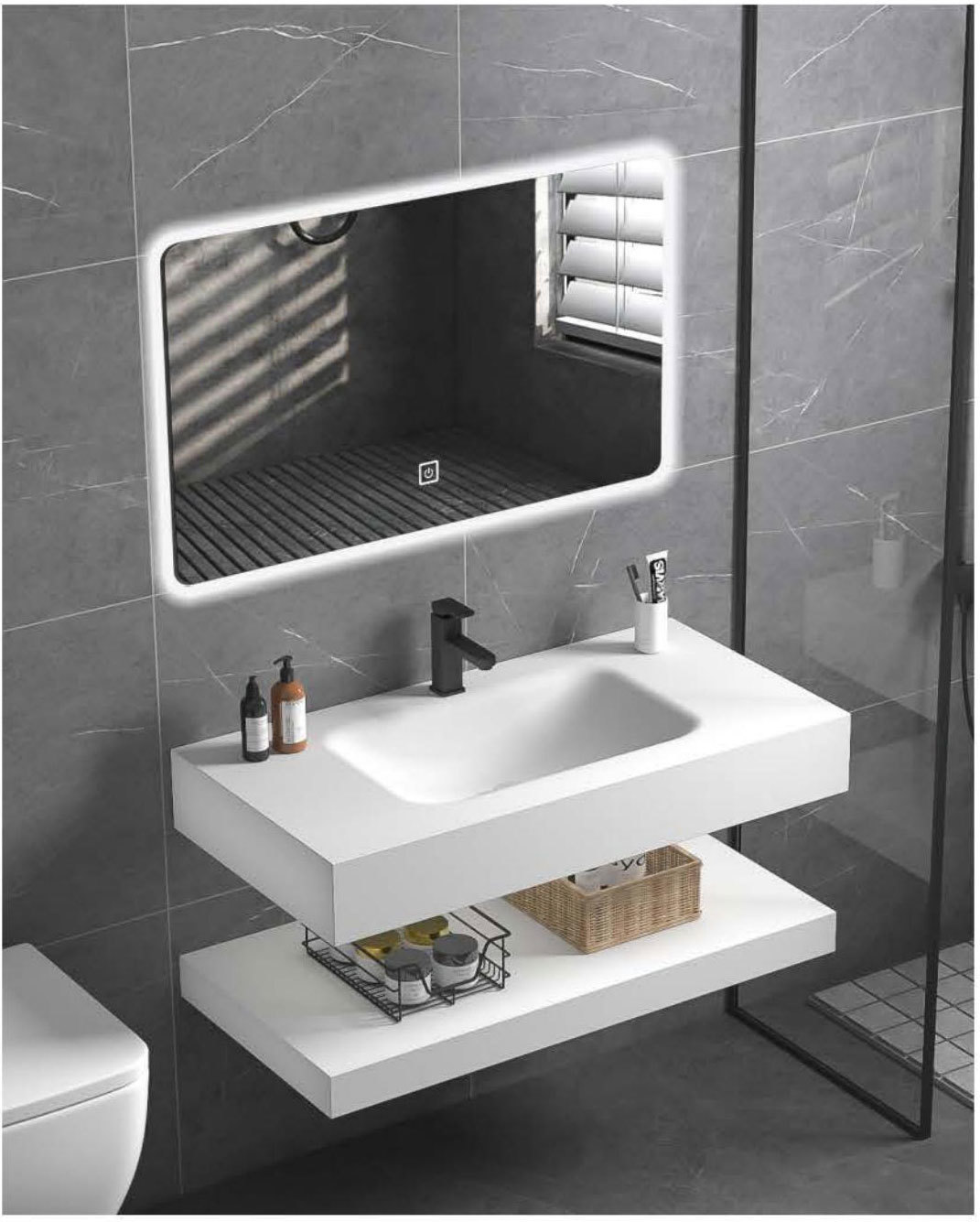
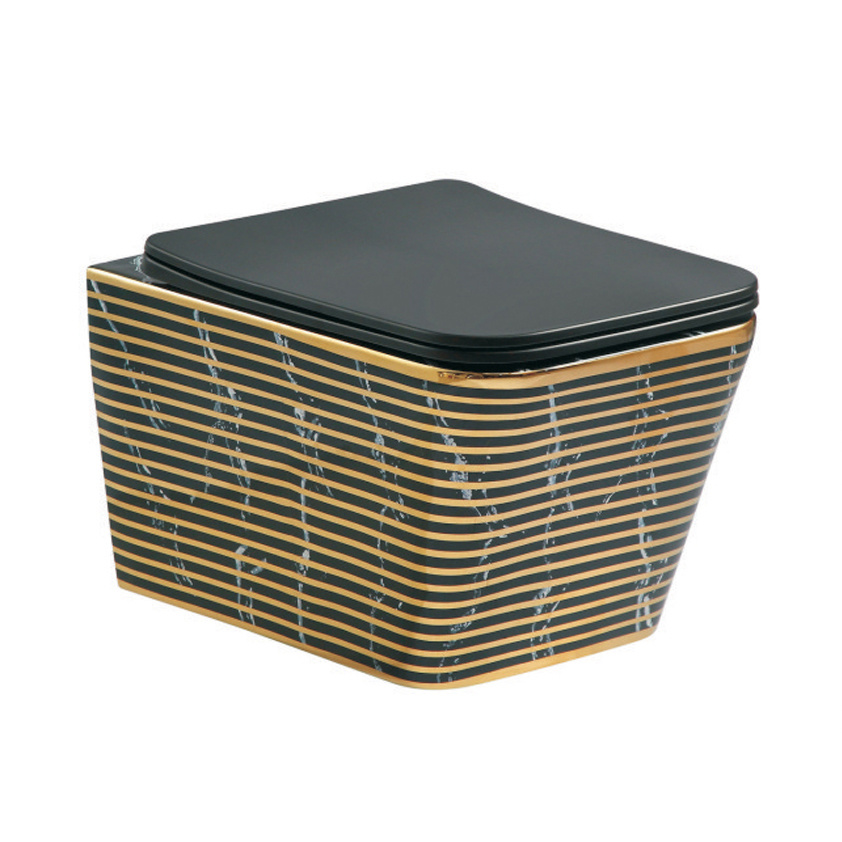
**MOROCCO Ceramic Wash Basin**
Morocco, a country rich in history and culture, is renowned for its intricate craftsmanship, particularly in ceramics. Among the various ceramic products, the Moroccan ceramic wash basin stands out as a symbol of beauty and functionality. This article delves into the history, design, and significance of Moroccan ceramic wash basins, as well as their growing popularity in contemporary interior design.
The art of ceramic making in Morocco dates back centuries, influenced by various cultures, including the Berbers, Arabs, and Andalusians. The tradition of crafting ceramics has been passed down through generations, resulting in a unique blend of styles and techniques. Moroccan artisans use locally sourced clay, often mixed with sand to create a durable material that can withstand the test of time. The process involves shaping the clay by hand or using a potter's wheel, followed by drying and firing in kilns.
One of the defining features of Moroccan ceramic wash basins is their vibrant colors and intricate patterns. Artisans often draw inspiration from nature, geometric shapes, and traditional motifs. The use of bold colors such as blue, green, yellow, and red adds a lively touch to any bathroom or kitchen. Each basin is a work of art, showcasing the skill and creativity of the artisan who crafted it. The glazing process further enhances the beauty of these wash basins, providing a glossy finish that not only adds to their aesthetic appeal but also makes them easy to clean.
In addition to their visual appeal, Moroccan ceramic wash basins are highly functional. They are designed to be both practical and stylish, making them an ideal choice for various settings. Whether used in a traditional Moroccan home or a modern bathroom, these basins serve as a focal point, adding character and charm to the space. Their versatility allows them to complement a range of design styles, from rustic to contemporary.
The popularity of Moroccan ceramic wash basins has grown significantly in recent years, particularly in the realm of interior design. As homeowners seek to create unique and personalized spaces, these wash basins offer an opportunity to incorporate cultural elements into their decor. They can be used in various applications, from standalone pieces in a powder room to being integrated into custom vanities.
Moreover, the rise of sustainable and artisanal products has contributed to the demand for Moroccan ceramics. Consumers are increasingly aware of the environmental impact of mass-produced items and are opting for handmade, locally sourced alternatives. By choosing a Moroccan ceramic wash basin, individuals not only support traditional craftsmanship but also contribute to the preservation of cultural heritage.
When selecting a Moroccan ceramic wash basin, there are several factors to consider. First and foremost is the size and shape of the basin, which should be proportionate to the space it will occupy. Additionally, the design and color should complement the overall aesthetic of the room. Many artisans offer customizable options, allowing customers to choose specific patterns or colors that align with their vision.
Installation of a Moroccan ceramic wash basin is relatively straightforward, but it is essential to ensure proper plumbing and support, especially for heavier basins. Many homeowners opt for professional installation to guarantee a secure and functional setup. Once installed, these wash basins require minimal maintenance, primarily involving regular cleaning with mild soap and water to preserve their beauty.
In conclusion, Moroccan ceramic wash basins are more than just functional items; they are a celebration of artistry and culture. With their vibrant colors, intricate designs, and practical applications, they have become a popular choice for those looking to enhance their living spaces. As the demand for artisanal and sustainable products continues to rise, Moroccan ceramics will undoubtedly remain a cherished addition to homes around the world. By embracing these exquisite pieces, individuals not only elevate their interiors but also pay homage to the rich tradition of Moroccan craftsmanship.

Previous page
W-816
Next page
Related products
Product consultation
CONTACT US
Address: No. 4 Factory Building, South Side of Qianqian Road, Yingfeng Village, Fengtang Town, Chao 'an District, Chaozhou City
Email:BANINGSU@outlook.com
Phone/Whatsapp/Wechat:+86-13413709494
Mobile Phone Client