

-
-
Products
 Our Service
 -

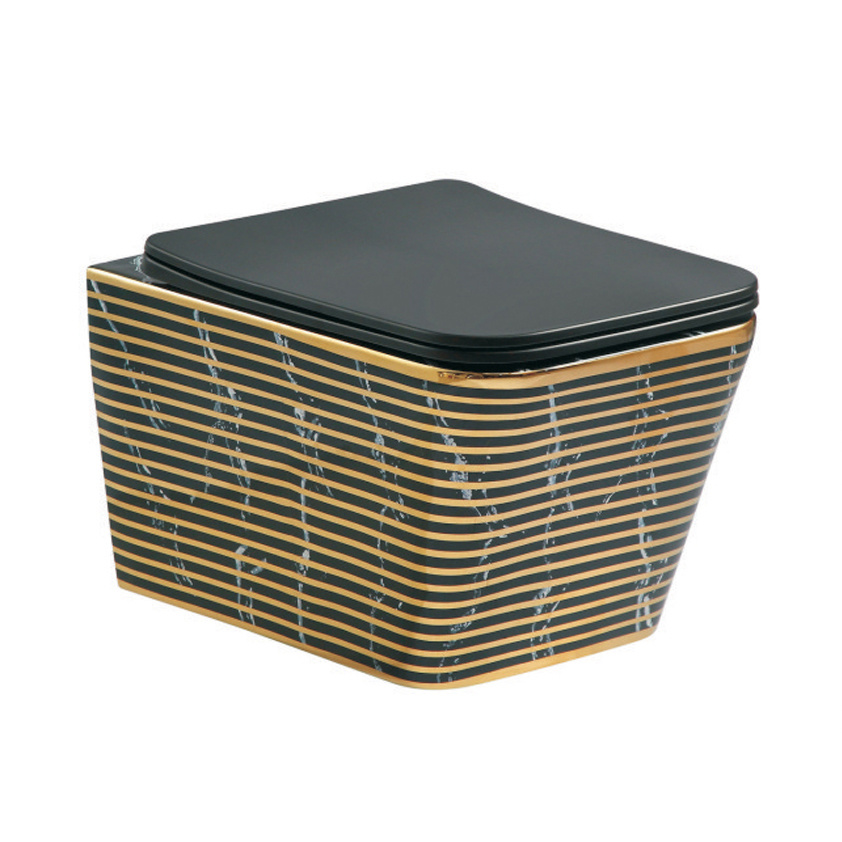
W-816
W-816
key word: Sanitary Ware
Category:
W-816
**LIBYAN CERAMIC WASH BASIN**
Libya, a country rich in history and culture, is renowned for its diverse artistic expressions. Among these, the traditional Libyan ceramic wash basin stands out as a unique and functional piece of art. This article delves into the history, craftsmanship, cultural significance, and contemporary relevance of Libyan ceramic wash basins.
The history of ceramic production in Libya dates back thousands of years. The region has been influenced by various civilizations, including the Phoenicians, Romans, and Ottomans. Each of these cultures has contributed to the rich tapestry of Libyan ceramics. The craft of pottery has been passed down through generations, with artisans honing their skills and techniques. The wash basin, a common household item, has evolved from simple utilitarian objects to intricate works of art, reflecting the cultural heritage of the Libyan people.
Craftsmanship is at the heart of Libyan ceramic wash basins. Artisans use locally sourced clay, which is known for its fine quality. The process begins with the careful selection of the clay, which is then kneaded and shaped into the desired form. Traditional techniques are employed, often involving hand-throwing on a potter’s wheel or molding by hand. The basins are typically characterized by their wide, shallow shape, making them both practical and aesthetically pleasing.
Once shaped, the basins undergo a meticulous decorating process. Artisans often use vibrant colors and intricate patterns that draw inspiration from nature, geometry, and Islamic art. The motifs commonly found on these wash basins include floral designs, geometric shapes, and calligraphy, each carrying its own symbolism. After the decorative process, the basins are fired in a kiln, which not only hardens the clay but also sets the colors, making them vibrant and long-lasting.
The cultural significance of the Libyan ceramic wash basin cannot be overstated. In traditional Libyan households, these basins are not just functional items; they hold social and cultural importance. They are often placed in prominent areas, such as entryways or courtyards, where they serve as a focal point for gatherings and hospitality. The act of washing hands or faces in these beautifully crafted basins is seen as a ritual of cleanliness and respect for guests.
Moreover, the wash basin is often associated with family heritage and traditions. Many families pass down ceramic pieces through generations, each basin telling a story of its own. These objects become treasured heirlooms, symbolizing the continuity of family values and cultural identity. In this way, the Libyan ceramic wash basin transcends its utilitarian purpose, becoming a vessel of memory and heritage.
In contemporary times, the Libyan ceramic wash basin has found new relevance. As global interest in traditional crafts and sustainable practices grows, artisans are adapting their techniques to meet modern demands. The revival of interest in handmade and locally sourced products has led to a resurgence in the popularity of these ceramic wash basins. They are now sought after not only for their beauty but also for their connection to cultural heritage.
Furthermore, the integration of traditional designs with modern aesthetics has opened new avenues for creativity. Contemporary artists are experimenting with colors, shapes, and forms, creating unique pieces that appeal to a broader audience. This fusion of tradition and modernity ensures that the craft of ceramic making in Libya continues to thrive, attracting both local and international attention.
The impact of the ceramic wash basin extends beyond individual households. It plays a role in the broader context of Libyan tourism and cultural exchange. Visitors to Libya are often drawn to the craftsmanship of local artisans, and ceramic wash basins are popular souvenirs. They serve as tangible reminders of the rich cultural heritage of Libya and promote awareness of traditional crafts.
Moreover, the resurgence of interest in Libyan ceramics has provided economic opportunities for artisans and their communities. Workshops and training programs have emerged, allowing young people to learn the craft and carry on the tradition. This not only helps preserve the art of pottery but also fosters a sense of pride and identity among the younger generation.
In conclusion, the Libyan ceramic wash basin is much more than a simple household item. It embodies the history, craftsmanship, and cultural significance of Libya. As a functional piece of art, it reflects the creativity and skill of local artisans while serving as a symbol of family heritage and cultural identity. In a rapidly changing world, the ceramic wash basin remains a testament to the enduring power of tradition and the importance of preserving cultural heritage. With its newfound relevance in contemporary society, the Libyan ceramic wash basin continues to inspire and connect people across generations, ensuring that this beautiful craft remains alive for years to come.

Previous page
W-815
Next page
Related products
Product consultation
CONTACT US
Address: No. 4 Factory Building, South Side of Qianqian Road, Yingfeng Village, Fengtang Town, Chao 'an District, Chaozhou City
Email:BANINGSU@outlook.com
Phone/Whatsapp/Wechat:+86-13413709494
Mobile Phone Client