

-
-
Products
 Our Service
 -
W-813
W-813
key word: Sanitary Ware
Category:
W-813
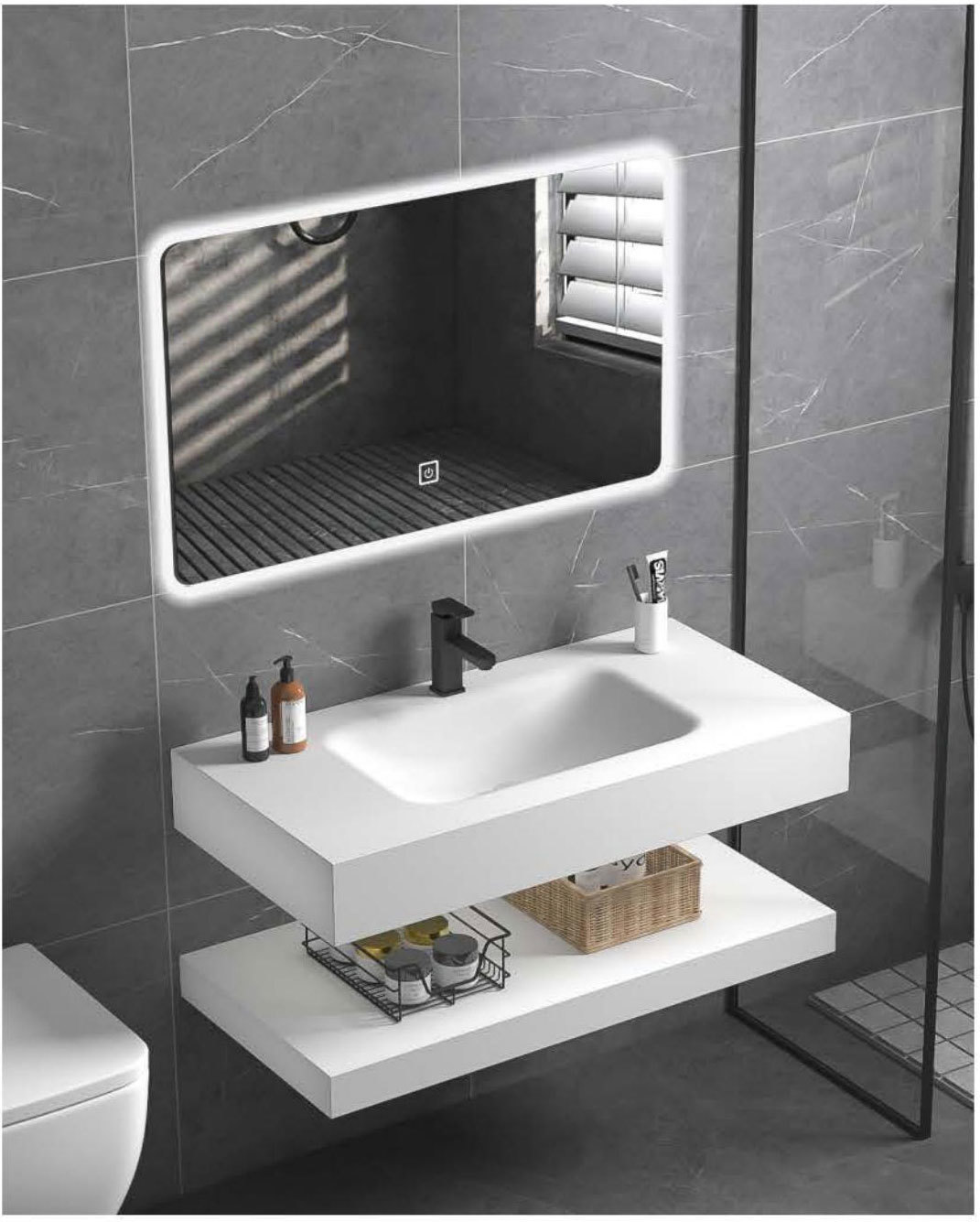
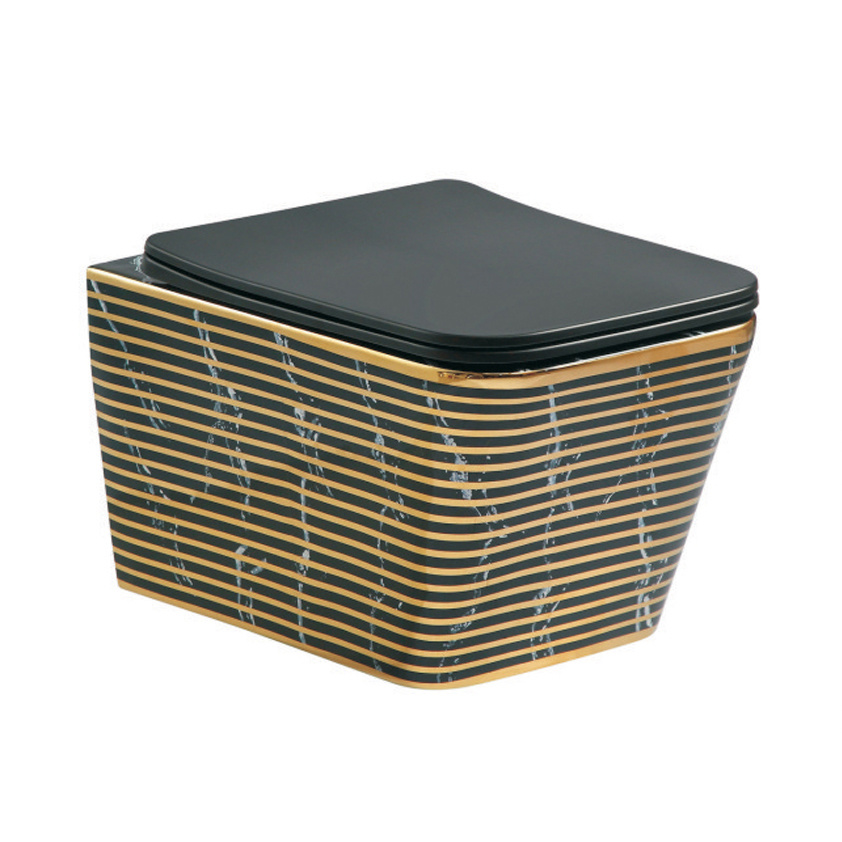
LITHUANIA Ceramic Wash Basin
Lithuania, a country known for its rich cultural heritage and artistic craftsmanship, has become a notable player in the ceramics industry. Among the many products crafted by skilled artisans, ceramic wash basins stand out for their beauty, functionality, and unique design. This article explores the history, craftsmanship, and significance of Lithuanian ceramic wash basins, highlighting their role in both traditional and modern contexts.
Historical Context
The art of ceramics in Lithuania dates back centuries, with influences from various cultures and historical periods. The tradition of pottery can be traced to the prehistoric times when early Lithuanians created simple clay vessels for everyday use. Over the years, this craft evolved, incorporating techniques and styles from neighboring countries. By the time of the Renaissance, Lithuanian potters began to experiment with more elaborate designs and glazes, leading to the production of high-quality ceramics.
In the 20th century, the revival of traditional crafts played a significant role in preserving Lithuania's cultural identity. Artisans began to focus on creating functional items that reflected the country’s heritage. The ceramic wash basin became a popular choice among both local and international buyers, appreciated for its artistic expression and practicality.
Craftsmanship
Lithuanian ceramic wash basins are renowned for their exceptional craftsmanship. Each piece is meticulously handcrafted by skilled artisans who have honed their techniques over years of practice. The process begins with selecting high-quality clay, which is then shaped into the desired form using traditional methods. The artisans often employ techniques passed down through generations, ensuring that each wash basin is a unique work of art.
Once shaped, the wash basins are left to dry before being fired in a kiln. This firing process is crucial, as it strengthens the clay and sets the shape. After the initial firing, artisans apply glazes that can vary from vibrant colors to subtle earth tones. These glazes not only enhance the aesthetic appeal of the basins but also provide a protective layer, making them suitable for everyday use.
The designs of Lithuanian ceramic wash basins are diverse, often inspired by nature, folklore, and traditional patterns. Many artisans incorporate motifs such as flowers, birds, and geometric shapes, which add a distinctive touch to each piece. This blend of creativity and functionality makes these wash basins a sought-after item in both domestic and international markets.
Cultural Significance
Ceramic wash basins hold a special place in Lithuanian culture. Traditionally, they were not only practical items but also symbols of hospitality and care. In many Lithuanian households, a beautifully crafted wash basin would be displayed prominently, serving as a testament to the family's pride in their heritage and craftsmanship.
Moreover, these wash basins often play a role in significant life events, such as weddings and family gatherings. They are used in rituals and celebrations, symbolizing purity and new beginnings. The act of washing one's hands or face in a beautifully designed basin is seen as a moment of connection to tradition and family values.
In contemporary society, the significance of ceramic wash basins has evolved. While they still maintain their traditional roots, modern designs cater to a broader audience. Many Lithuanians embrace these wash basins as a way to add a touch of artistry to their homes. They serve as statement pieces in bathrooms and kitchens, reflecting the homeowner's personal style and appreciation for craftsmanship.
Sustainability and Innovation
In recent years, there has been a growing emphasis on sustainability in the ceramics industry, and Lithuania is no exception. Many artisans are now focusing on eco-friendly practices, using locally sourced materials and non-toxic glazes. This commitment to sustainability not only benefits the environment but also resonates with consumers who are increasingly conscious of their purchasing choices.
Innovation is also at the forefront of Lithuanian ceramic wash basin design. Artisans are experimenting with new shapes, sizes, and finishes, pushing the boundaries of traditional ceramics. This willingness to embrace modern aesthetics while honoring age-old techniques allows Lithuanian artisans to remain relevant in a competitive market.
Conclusion
Lithuanian ceramic wash basins are more than just functional items; they are a reflection of the country's rich cultural heritage and artistic prowess. With their exceptional craftsmanship, unique designs, and deep cultural significance, these wash basins have earned a special place in both local and international markets. As the industry continues to evolve, embracing sustainability and innovation, the future of Lithuanian ceramics looks promising. Whether used in traditional settings or modern homes, these wash basins will undoubtedly continue to captivate and inspire for generations to come.

Previous page
W-812
Next page
Related products
Product consultation
CONTACT US
Address: No. 4 Factory Building, South Side of Qianqian Road, Yingfeng Village, Fengtang Town, Chao 'an District, Chaozhou City
Email:BANINGSU@outlook.com
Phone/Whatsapp/Wechat:+86-13413709494
Mobile Phone Client