

-
-
Products
 Our Service
 -
W-812
W-812
key word: Sanitary Ware
Category:
W-812
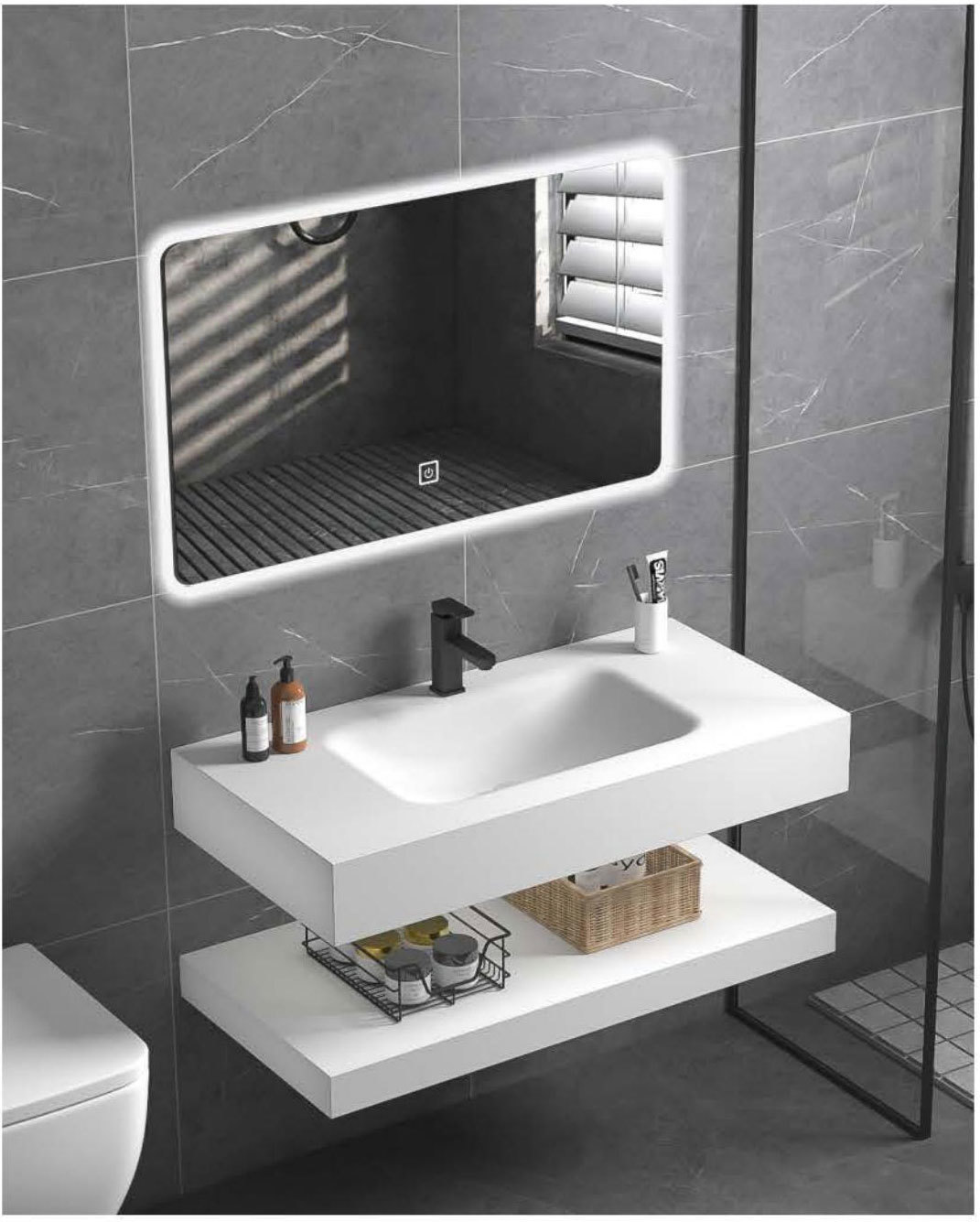
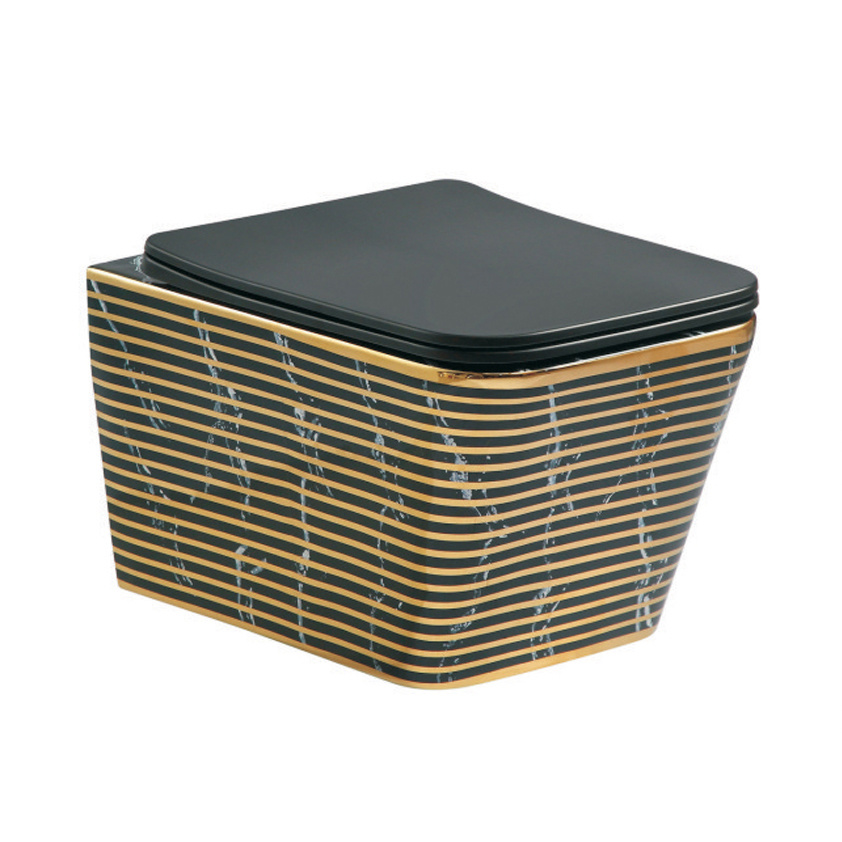
**LIBERIA Ceramic Wash Basin**
The world of home decor and sanitation has evolved significantly over the years, with various materials and designs coming to the forefront. Among these, the ceramic wash basin has emerged as a popular choice for many households, particularly in Liberia. This article explores the significance, design, and practicality of ceramic wash basins in Liberia, highlighting their cultural relevance, aesthetic appeal, and functional advantages.
**Historical Context**
Ceramics have been a part of human civilization for thousands of years. In Liberia, traditional pottery has roots in the rich cultural heritage of the indigenous people. Historically, ceramics were used for storage, cooking, and other domestic purposes. The modern ceramic wash basin, however, represents a shift towards more specialized utility, combining artistry with practicality. This evolution reflects broader trends in sanitation and hygiene, particularly as communities strive to improve living conditions.
**Cultural Significance**
In Liberia, the ceramic wash basin is more than just a functional item; it is a symbol of cultural identity and craftsmanship. Local artisans often handcraft these basins, infusing them with traditional designs that reflect the history and values of the communities. The use of locally sourced clay not only supports the economy but also preserves the cultural heritage associated with pottery. This makes each basin unique, as they are often adorned with intricate patterns and vibrant colors that tell a story about the people who created them.
**Design and Aesthetics**
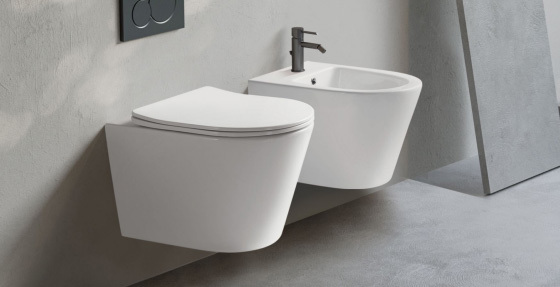
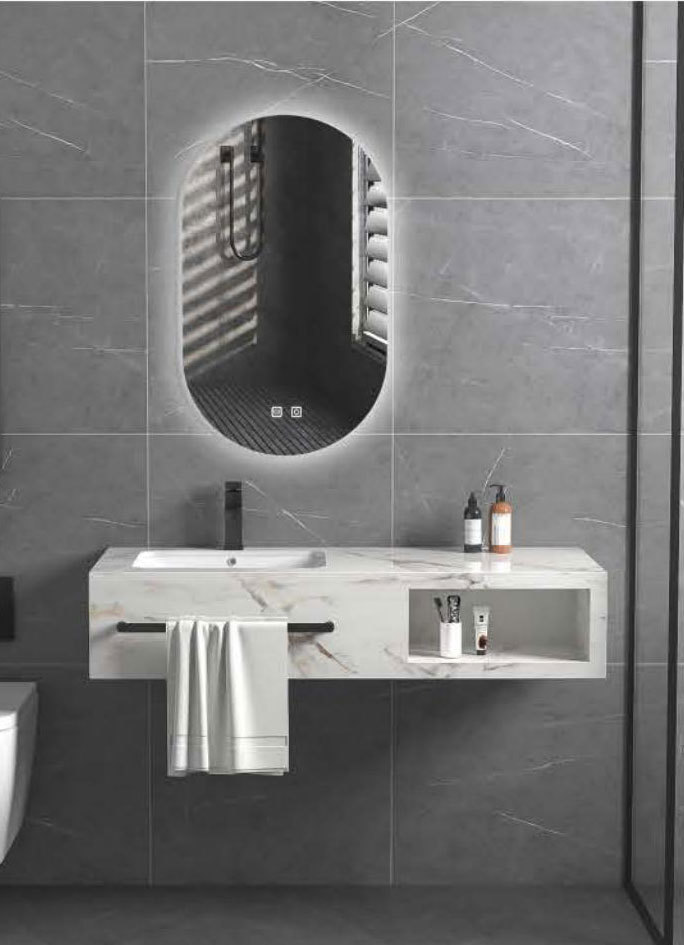
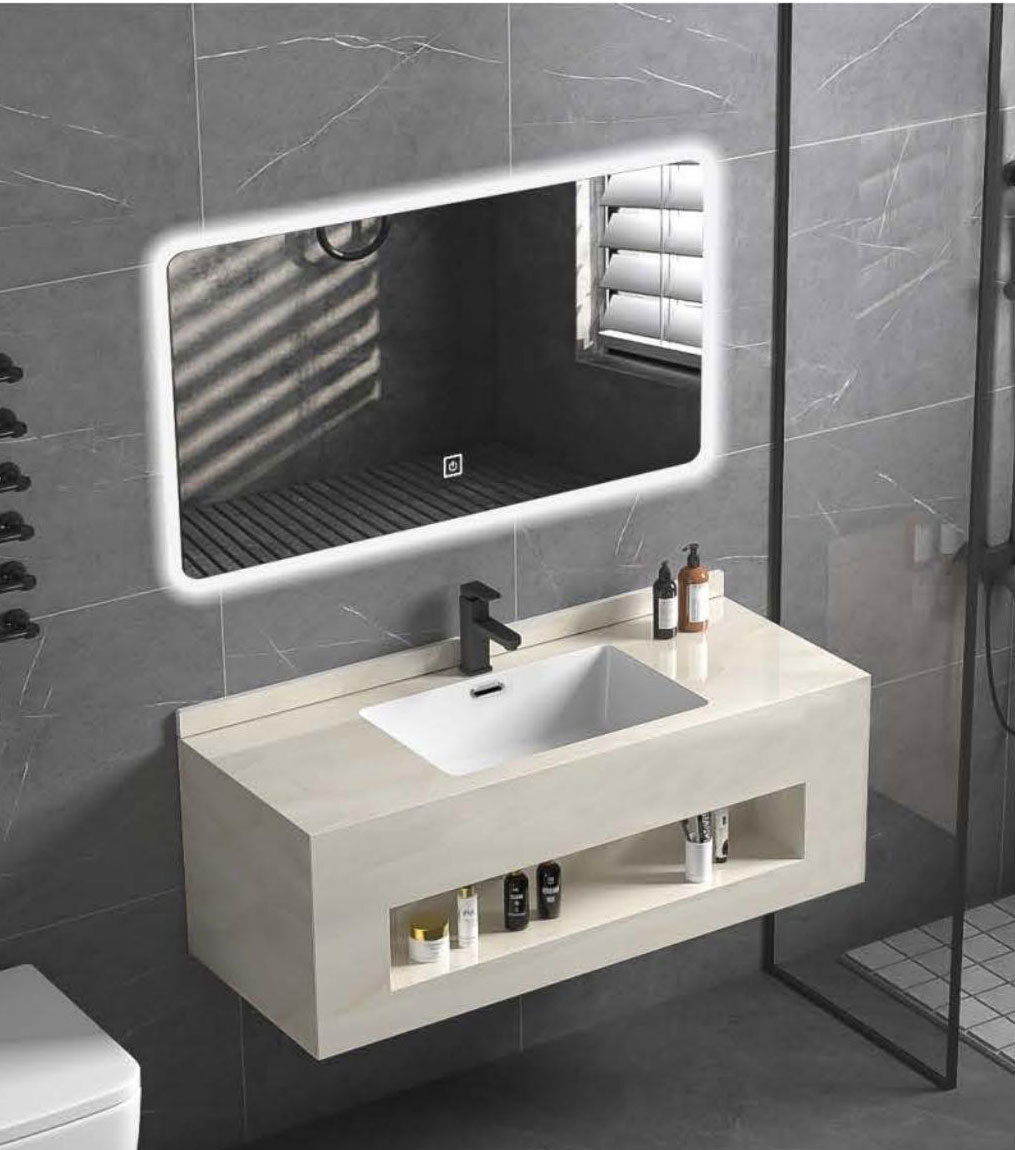
The design of ceramic wash basins in Liberia varies widely, offering a range of options to suit different tastes and preferences. From simple, minimalist designs to elaborate, ornate pieces, these basins can complement any bathroom or kitchen decor. The versatility of ceramics allows for various shapes and sizes, ensuring that there is a wash basin to fit every space.
Many artisans incorporate local motifs and symbols into their designs, making each piece a work of art. The vibrant colors used in glazing can transform a simple wash basin into a focal point of the room. As such, these basins not only serve a practical purpose but also enhance the aesthetic appeal of the home.
**Functionality and Practicality**
Ceramic wash basins are prized for their durability and ease of maintenance. Unlike other materials, ceramics are resistant to staining and can withstand the wear and tear of daily use. This makes them an ideal choice for families and businesses alike.
Moreover, ceramic basins are easy to clean, requiring only a simple wipe down with soap and water to maintain their appearance. This practicality is especially important in Liberia, where access to clean water can be limited, and hygiene is a critical concern. The non-porous surface of ceramics helps to prevent the growth of bacteria, making them a hygienic option for washing hands and dishes.
**Environmental Considerations**
In recent years, there has been a growing awareness of environmental issues, and the production of ceramic wash basins in Liberia reflects this trend. Many local artisans use sustainable practices, sourcing clay responsibly and minimizing waste in their production processes. By choosing locally made ceramic wash basins, consumers can support environmentally friendly practices while also promoting local craftsmanship.
Furthermore, ceramics are a long-lasting material, reducing the need for frequent replacements. This contributes to less waste and a smaller carbon footprint, making ceramic wash basins a more sustainable choice compared to plastic or metal alternatives.
**Economic Impact**
The production and sale of ceramic wash basins have significant economic implications for local communities in Liberia. Artisans who specialize in ceramics can earn a livelihood through their craft, supporting their families and contributing to the local economy. The growing demand for unique, handcrafted items has opened up opportunities for these artisans to market their products both locally and internationally.
Furthermore, as more households recognize the importance of sanitation and hygiene, the demand for ceramic wash basins is likely to increase. This presents an opportunity for local businesses to thrive while promoting traditional craftsmanship.
**Conclusion**
The ceramic wash basin in Liberia is a remarkable fusion of art, culture, and practicality. It embodies the rich heritage of the country while addressing modern needs for hygiene and sanitation. With their diverse designs, durability, and environmental benefits, ceramic wash basins stand out as an ideal choice for many households.
As Liberia continues to develop and modernize, the importance of preserving traditional crafts cannot be overstated. By supporting local artisans and choosing handmade ceramic wash basins, consumers not only enhance their living spaces but also contribute to the preservation of cultural identity and the promotion of sustainable practices. In this way, the ceramic wash basin serves as a powerful reminder of the interconnectedness of culture, functionality, and community in Liberia.

Previous page
W-811
Next page
Related products
Product consultation
CONTACT US
Address: No. 4 Factory Building, South Side of Qianqian Road, Yingfeng Village, Fengtang Town, Chao 'an District, Chaozhou City
Email:BANINGSU@outlook.com
Phone/Whatsapp/Wechat:+86-13413709494
Mobile Phone Client