

-
-
Products
 Our Service
-

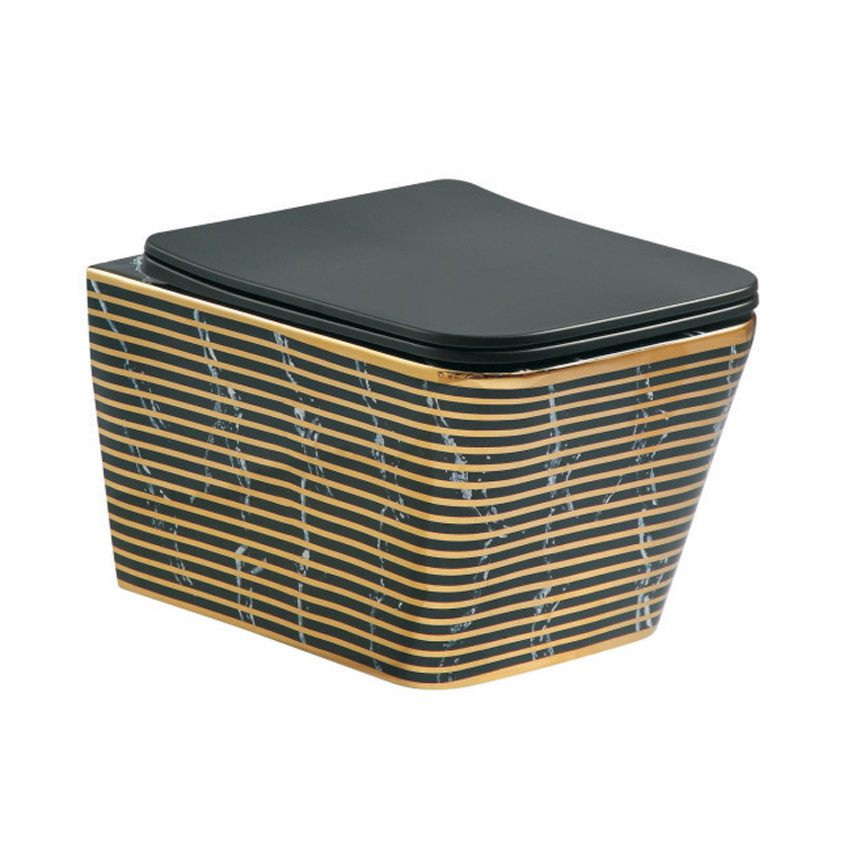
MEXICO ceramic wash basin
560*420*140
key word: Sanitary Ware
Category:
MEXICO ceramic wash basin
MEXICO Ceramic Wash Basin
Ceramics have been an integral part of Mexican culture for centuries, reflecting the country’s rich heritage, artistic traditions, and vibrant colors. Among the various ceramic items that are crafted in Mexico, the ceramic wash basin stands out as a functional yet artistic piece. This article explores the history, craftsmanship, and significance of Mexican ceramic wash basins, showcasing why they are cherished both locally and internationally.
History of Mexican Ceramics
The history of ceramics in Mexico dates back to ancient civilizations such as the Olmecs, Mayans, and Aztecs. These cultures used clay to create not only functional items but also ritualistic and decorative pieces. Over the centuries, techniques evolved, and the arrival of Spanish colonizers in the 16th century introduced new styles and methods. This fusion of indigenous and European influences led to the development of distinctive pottery styles, including Talavera and barro negro, which are now iconic representations of Mexican ceramics.
The ceramic wash basin, known as "lavabo" in Spanish, has its roots in both practical and aesthetic needs. Traditionally used for washing hands and faces, these basins have transcended their utilitarian purpose to become decorative elements in homes, restaurants, and public spaces. Today, they are celebrated for their intricate designs, vibrant colors, and unique craftsmanship.
Craftsmanship of Mexican Ceramic Wash Basins
Creating a ceramic wash basin is a labor-intensive process that requires skill, patience, and artistic vision. The journey begins with the selection of high-quality clay, which is often sourced locally. Artisans knead the clay to remove air bubbles and ensure its consistency. Once prepared, the clay is shaped into the desired form, usually by hand or using a potter's wheel.
After shaping, the basin is left to dry until it reaches a leather-hard stage. At this point, artisans meticulously carve or mold intricate designs into the surface. These designs often draw inspiration from nature, folklore, and traditional motifs, showcasing the rich cultural heritage of Mexico. Once the design work is complete, the basin is fired in a kiln, which hardens the clay and prepares it for glazing.
The glazing process is where the true artistry of Mexican ceramics shines. Artisans apply vibrant glazes that can range from deep blues and greens to bright yellows and reds. Each color is carefully chosen to complement the design and enhance the overall aesthetic. After glazing, the basin is fired again to set the colors and create a glossy finish. The result is a stunning piece that is both functional and beautiful.
Significance of Mexican Ceramic Wash Basins
Mexican ceramic wash basins hold significant cultural and artistic value. They are not merely bathroom fixtures; they are works of art that tell stories of tradition, craftsmanship, and identity. Each basin is unique, reflecting the individual artisan's style and creativity. This uniqueness adds to their appeal, making them sought after by collectors and interior designers alike.
In addition to their aesthetic value, ceramic wash basins also serve practical purposes. They are durable, easy to clean, and resistant to staining, making them ideal for daily use. Many artisans also incorporate eco-friendly practices in their production, using natural materials and traditional techniques that have minimal environmental impact.
Moreover, the popularity of Mexican ceramic wash basins has transcended borders. They are now found in homes and businesses around the world, admired for their beauty and functionality. This global appreciation not only supports local artisans but also helps preserve traditional crafting techniques that might otherwise be lost.
Choosing the Right Mexican Ceramic Wash Basin
When selecting a Mexican ceramic wash basin, there are several factors to consider. First and foremost is the style. From traditional Talavera patterns to more contemporary designs, the options are vast. It’s essential to choose a basin that complements the overall decor of the space where it will be installed.
Size is another important consideration. Ceramic wash basins come in various sizes, so it’s crucial to measure the available space and ensure that the basin fits appropriately. Additionally, think about the installation type—whether it will be a countertop basin or wall-mounted.
Lastly, consider the craftsmanship and quality of the piece. Authentic Mexican ceramics are often handmade, and the quality can vary. Look for basins that showcase intricate designs and vibrant glazes, and consider purchasing from reputable artisans or shops that specialize in Mexican pottery.
Conclusion
Mexican ceramic wash basins are more than just functional items; they are a celebration of culture, artistry, and tradition. With their rich history, skilled craftsmanship, and unique designs, these basins have become cherished pieces in homes and businesses around the world. Whether you are looking to add a touch of Mexican flair to your space or seeking a meaningful piece of art, a ceramic wash basin is an excellent choice. Embrace the beauty and functionality of Mexican ceramics, and let these stunning creations enhance your everyday life.

Previous page
Next page
Previous page
MALAWI ceramic wash basin
Next page
Related products
Product consultation
CONTACT US
Address: No. 4 Factory Building, South Side of Qianqian Road, Yingfeng Village, Fengtang Town, Chao 'an District, Chaozhou City
Email:BANINGSU@outlook.com
Phone/Whatsapp/Wechat:+86-13413709494
Mobile Phone Client