

-
-
Products
 Our Service
-
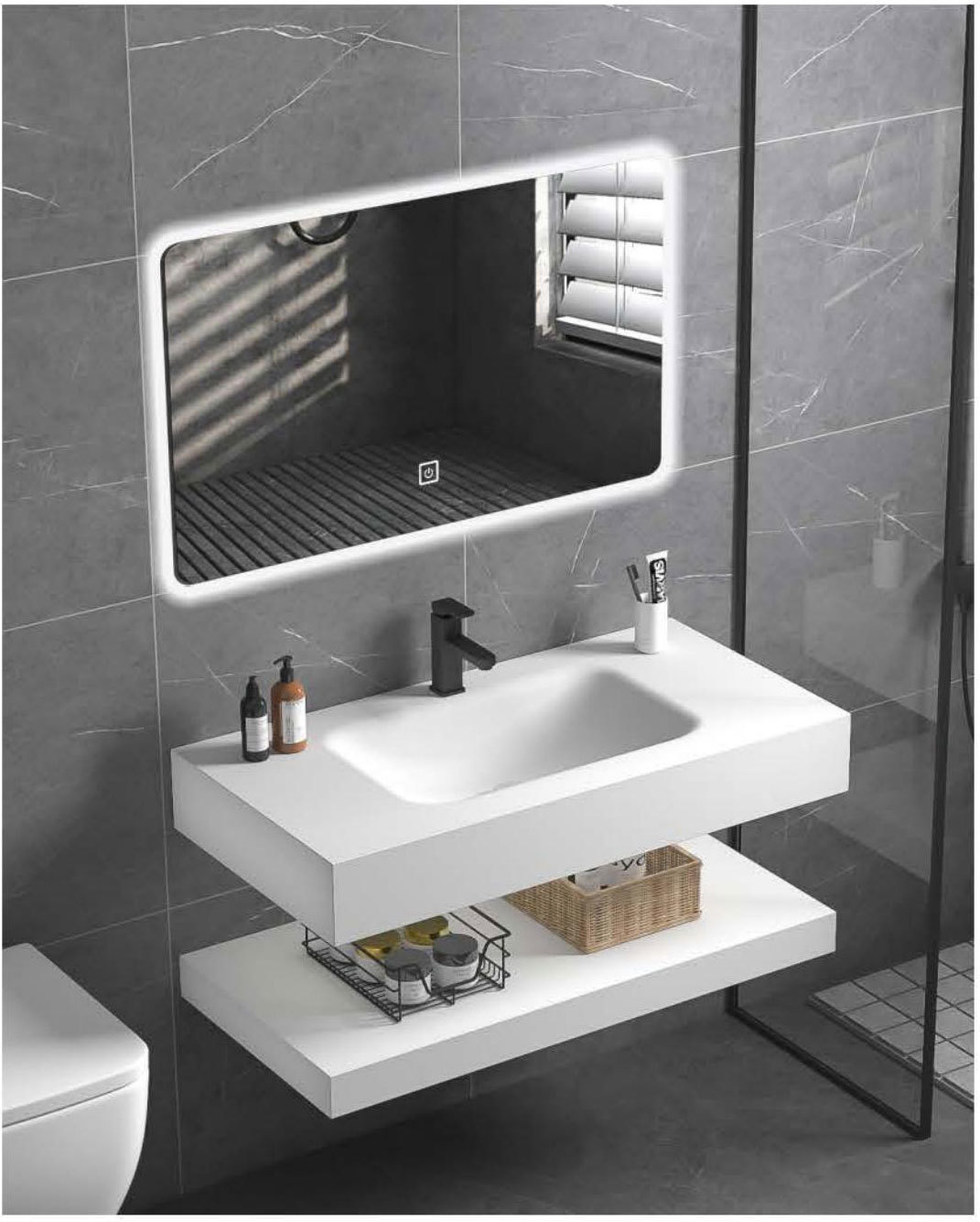
MALAWI ceramic wash basin
450*400*145
key word: Sanitary Ware
Category:
MALAWI ceramic wash basin
**MALAWI Ceramic Wash Basin**
In the heart of Africa lies Malawi, a country renowned for its rich cultural heritage, vibrant communities, and artistic craftsmanship. Among the many unique products that this nation offers, the ceramic wash basin stands out as a symbol of both functionality and artistry. This article explores the significance, craftsmanship, and the role of the ceramic wash basin in Malawian culture.
**The Cultural Significance of Ceramic Wash Basins**
Ceramics have been an integral part of Malawian culture for centuries. The ceramic wash basin, in particular, is more than just a household item; it embodies the creativity and traditions of the Malawian people. Traditionally, these wash basins are used for various purposes, from personal hygiene to communal washing. They are often found in homes, markets, and even in public spaces, serving as a testament to the communal lifestyle prevalent in Malawi.
In Malawian culture, cleanliness is not only a matter of personal hygiene but also a reflection of respect for oneself and others. The ceramic wash basin plays a crucial role in this aspect, as it is often the first step in a daily routine that emphasizes cleanliness and care. This cultural emphasis on hygiene is particularly important in rural areas, where access to clean water can be limited. The wash basin thus becomes a vital tool in promoting health and well-being.
**Craftsmanship and Design**
The creation of ceramic wash basins in Malawi involves a meticulous process that showcases the skill and artistry of local artisans. The raw materials, primarily clay, are sourced from local deposits, ensuring that each basin is made from materials indigenous to the region. The clay is shaped by hand, allowing artisans to infuse their unique style and creativity into each piece.
After shaping, the wash basins are left to dry before being fired in a kiln. This firing process is crucial, as it strengthens the ceramic and prepares it for painting. Many artisans adorn their wash basins with intricate designs, often inspired by the vibrant flora and fauna of Malawi. These designs not only enhance the aesthetic appeal of the basins but also tell stories of the local culture, history, and traditions.
The colors used in the painting of the wash basins are often derived from natural pigments, reflecting the environment in which they are made. Bright blues, earthy browns, and vibrant greens are commonly seen, representing the landscapes and natural beauty of Malawi. This connection to nature is a defining feature of Malawian ceramics, making each wash basin a unique piece of art.
**Economic Impact and Sustainable Practices**
The production of ceramic wash basins has significant economic implications for local communities in Malawi. Many artisans rely on this craft as their primary source of income, supporting their families and contributing to the local economy. By purchasing these handmade items, consumers are not only acquiring a functional product but also supporting fair trade practices and sustainable livelihoods.
Moreover, the use of locally sourced materials and traditional techniques ensures that the production of ceramic wash basins is environmentally sustainable. Artisans often engage in practices that minimize waste and promote the use of natural resources, thereby protecting the environment for future generations. This commitment to sustainability resonates with a growing global audience that values eco-friendly products.
**Modern Adaptations and Global Appeal**
In recent years, the appeal of Malawian ceramic wash basins has transcended local boundaries, gaining recognition on international platforms. As the world becomes more interconnected, there is a growing appreciation for handmade, artisanal products that tell a story. The unique designs and cultural significance of Malawian wash basins have attracted the attention of interior designers and home decor enthusiasts around the globe.
Modern adaptations of these wash basins have emerged, with some artisans experimenting with contemporary designs while still honoring traditional techniques. This fusion of old and new not only preserves the cultural heritage of Malawi but also ensures that the craft remains relevant in today’s market. As a result, Malawian ceramic wash basins are now sought after as decorative pieces in homes, restaurants, and hotels, highlighting their versatility beyond mere functionality.
**Conclusion**
The ceramic wash basin from Malawi is a remarkable embodiment of the country's rich cultural heritage, artisanal craftsmanship, and commitment to sustainability. As a functional item, it plays a vital role in promoting hygiene and community values. As a work of art, it reflects the beauty of Malawian culture and the creativity of its artisans.
By supporting the production and purchase of these unique wash basins, individuals not only bring a piece of Malawi into their homes but also contribute to the preservation of a beautiful tradition that has stood the test of time. The story of the Malawian ceramic wash basin is one of resilience, creativity, and cultural pride, making it a truly remarkable artifact in the world of ceramics.

Previous page
Next page
Previous page
MAURITIUS ceramic wash basin
Next page
Related products
Product consultation
CONTACT US
Address: No. 4 Factory Building, South Side of Qianqian Road, Yingfeng Village, Fengtang Town, Chao 'an District, Chaozhou City
Email:BANINGSU@outlook.com
Phone/Whatsapp/Wechat:+86-13413709494
Mobile Phone Client