

-
-
Products
 Our Service
-

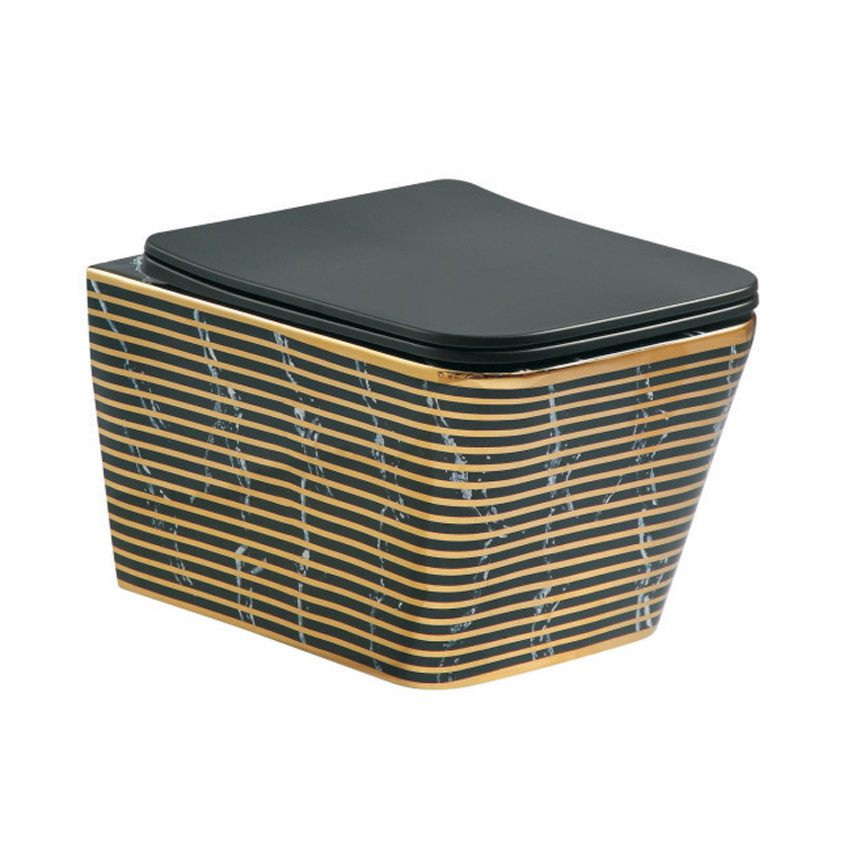
Chinese porcelain washbasin
500*390*130
key word: Sanitary Ware
Category:
Chinese porcelain washbasin
**Chinese Porcelain Washbasin**
Chinese porcelain has a long and illustrious history, dating back to the Han Dynasty (206 BC – 220 AD). Among its many forms and uses, the washbasin stands out as a significant cultural artifact that reflects both artistry and functionality. This article explores the history, craftsmanship, significance, and contemporary relevance of Chinese porcelain washbasins.
The origins of porcelain in China can be traced back to the early stages of ceramic production. The development of high-fired stoneware in the Shang Dynasty (1600 – 1046 BC) laid the groundwork for the eventual creation of true porcelain during the Tang Dynasty (618 – 907 AD). By the time of the Song Dynasty (960 – 1279 AD), porcelain had reached a level of refinement and popularity that allowed it to be exported to other parts of the world. The washbasin, or "yue," emerged as a common household item during this period, serving not only practical purposes but also as a decorative element in homes.
The craftsmanship involved in creating Chinese porcelain washbasins is truly remarkable. Artisans employ a meticulous process that begins with selecting high-quality clay, which is then shaped and fired at high temperatures. The glazing process adds a layer of beauty and protection to the surface. Traditional designs often feature intricate patterns, such as floral motifs, landscapes, or historical scenes, reflecting the rich cultural heritage of China. The colors used in the glazing process are also significant, with cobalt blue and underglaze being particularly popular in traditional designs.
The significance of the washbasin extends beyond its practical use. In traditional Chinese culture, cleanliness is closely associated with health and well-being. The washbasin became an essential item in the daily routines of families, symbolizing not only hygiene but also the importance of rituals in daily life. In many households, the washbasin was placed in a prominent location, serving as a focal point in the home. This highlights the dual role of the washbasin as both a functional item and a piece of art.
As the centuries progressed, the design and function of washbasins evolved. During the Ming Dynasty (1368 – 1644), porcelain production reached new heights, with the introduction of blue-and-white porcelain, which became immensely popular both domestically and internationally. The washbasin, often adorned with elaborate designs, was not only used for washing but also displayed as a symbol of wealth and status. It became common for wealthy families to own beautifully crafted porcelain washbasins, which were sometimes used as gifts to signify social connections and prestige.
In the modern era, the relevance of Chinese porcelain washbasins continues to endure. While contemporary designs may differ from traditional styles, the essence of craftsmanship remains. Today, many artisans are reviving ancient techniques, blending traditional artistry with modern aesthetics. The washbasin has found a place in contemporary bathrooms, where it serves as a statement piece, marrying functionality with artistic expression.
Moreover, the global interest in Chinese porcelain has led to a resurgence in appreciation for these cultural artifacts. Collectors and enthusiasts around the world seek out antique and modern washbasins, recognizing their value not only as functional items but also as historical and cultural treasures. This interest has spurred a renewed focus on preserving traditional craftsmanship, ensuring that the art of porcelain making is passed down to future generations.
In addition to its aesthetic appeal, the Chinese porcelain washbasin holds a significant place in the realm of cultural exchange. As trade routes expanded, Chinese porcelain found its way into the homes of people around the world, influencing local ceramic traditions and inspiring artists in various cultures. This exchange has enriched the global appreciation of porcelain and its diverse applications.
In conclusion, the Chinese porcelain washbasin is more than just a functional item; it is a testament to the rich history, artistry, and cultural significance of Chinese porcelain. From its origins in ancient China to its modern interpretations, the washbasin embodies the intricate relationship between utility and beauty. As we continue to appreciate and collect these exquisite pieces, we also honor the craftsmanship and traditions that have shaped their creation. The enduring legacy of Chinese porcelain washbasins serves as a reminder of the importance of art in our daily lives and the cultural connections that bind us all.

Previous page
Next page
Previous page
Japanese-style pottery sink
Next page
Related products
Product consultation
CONTACT US
Address: No. 4 Factory Building, South Side of Qianqian Road, Yingfeng Village, Fengtang Town, Chao 'an District, Chaozhou City
Email:BANINGSU@outlook.com
Phone/Whatsapp/Wechat:+86-13413709494
Mobile Phone Client