

-
-
Products
 Our Service
-

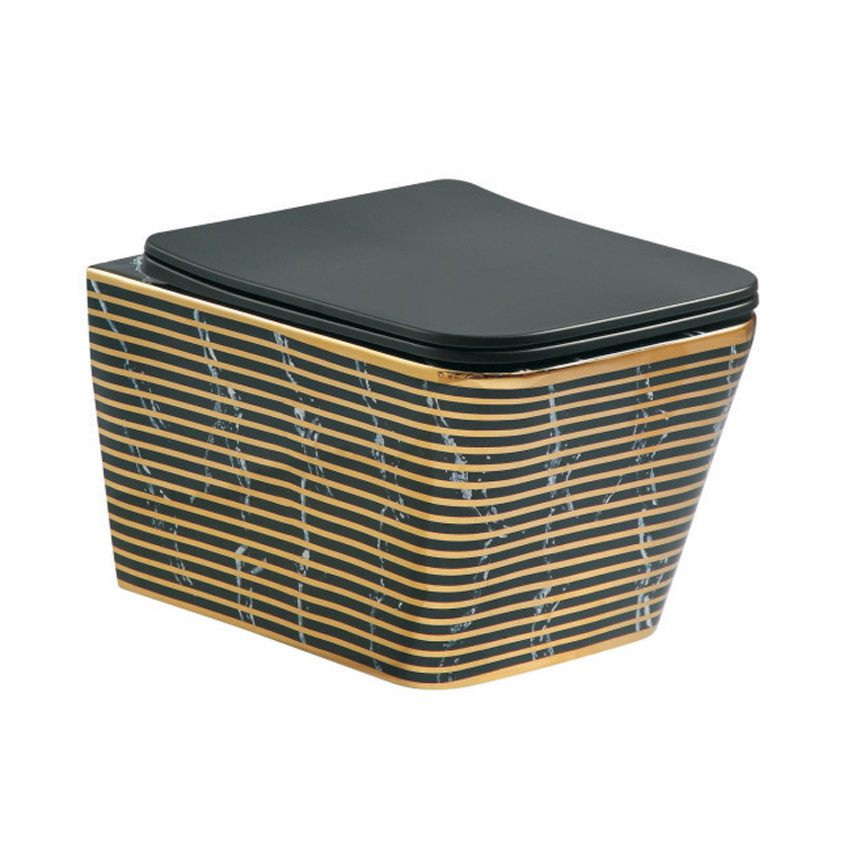
Spanish terracotta basin
385*385*135
key word: Sanitary Ware
Category:
Spanish terracotta basin
**Spanish Terracotta Basin**
Terracotta, derived from the Italian term meaning "baked earth," has been a significant material in Spanish art and architecture for centuries. Among the various terracotta artifacts, the Spanish terracotta basin stands out as a unique blend of functionality and aesthetic appeal. These basins, often adorned with intricate designs, reflect the rich cultural heritage of Spain, showcasing the craftsmanship that has been passed down through generations.
**Historical Context**
The use of terracotta in Spain can be traced back to ancient times, with influences from the Romans and Moors. The Romans utilized terracotta for both utilitarian and decorative purposes, while the Moors introduced intricate tile work and geometric patterns that have since become synonymous with Spanish design. The Spanish terracotta basin embodies this fusion of historical influences, representing a continuity of tradition that has evolved over the centuries.
During the Renaissance, the production of terracotta reached new heights, particularly in regions like Andalusia and Valencia. Artisans began to experiment with various glazing techniques, leading to the vibrant colors and detailed patterns seen in contemporary Spanish terracotta basins. These basins were often used in courtyards and gardens, serving as focal points that added beauty and tranquility to outdoor spaces.
**Design and Craftsmanship**
The design of a Spanish terracotta basin is a testament to the skill and artistry of its maker. Each basin is handcrafted, with artisans employing traditional techniques that have been refined over centuries. The process begins with the selection of high-quality clay, which is then shaped into the desired form. Once shaped, the basin is left to dry before being fired in a kiln.
After the initial firing, the basin is often glazed with vibrant colors, which are applied using a technique known as "engobe." This method allows for intricate designs, including floral motifs, geometric patterns, and even depictions of historical or mythical scenes. The glazing process not only enhances the visual appeal of the basin but also provides a protective layer that makes it suitable for outdoor use.
**Cultural Significance**
Spanish terracotta basins are more than mere decorative objects; they hold cultural significance that reflects the identity of the regions they come from. In many Spanish homes, these basins are placed in courtyards or gardens, serving as a gathering point for family and friends. They are often filled with water and surrounded by lush greenery, creating a serene environment that encourages relaxation and social interaction.
Additionally, these basins are frequently featured in festivals and celebrations, where they may be used in traditional rituals or as part of elaborate displays. Their presence in such events underscores their importance in Spanish culture, symbolizing both community and continuity.
**Modern Applications**
In contemporary design, Spanish terracotta basins have found a place in various settings, from private gardens to public parks. Landscape architects and designers appreciate their rustic charm and the warmth they bring to outdoor spaces. The basins can be used as focal points in gardens, serving as water features or planters for flowers and plants.
Moreover, the versatility of terracotta allows for a wide range of styles, from traditional to modern. Some designers incorporate these basins into minimalist landscapes, where their earthy tones contrast beautifully with sleek, contemporary elements. This adaptability makes Spanish terracotta basins a popular choice for those looking to blend traditional craftsmanship with modern aesthetics.
**Care and Maintenance**
To ensure the longevity of a Spanish terracotta basin, proper care and maintenance are essential. While terracotta is a durable material, it can be susceptible to cracking if exposed to extreme temperatures. It is advisable to store the basin in a sheltered location during harsh weather conditions, particularly in winter.
Cleaning the basin is relatively straightforward; a gentle scrub with water and mild soap is usually sufficient. It is important to avoid harsh chemicals that could damage the glaze. Regular maintenance, such as checking for cracks and reapplying sealant if necessary, will help preserve the basin's beauty and functionality for years to come.
**Conclusion**
The Spanish terracotta basin is a remarkable example of the intersection between art, culture, and functionality. With a history that spans centuries, these basins not only serve practical purposes but also embody the rich traditions of Spanish craftsmanship. As they continue to evolve and adapt to modern design sensibilities, they remain a cherished element in gardens and homes, inviting us to appreciate the beauty of the past while embracing the present. Whether used as a decorative piece, a water feature, or a planter, the Spanish terracotta basin stands as a testament to the enduring legacy of this timeless material.

Previous page
Next page
Previous page
Chinese porcelain washbasin
Next page
Related products
Product consultation
CONTACT US
Address: No. 4 Factory Building, South Side of Qianqian Road, Yingfeng Village, Fengtang Town, Chao 'an District, Chaozhou City
Email:BANINGSU@outlook.com
Phone/Whatsapp/Wechat:+86-13413709494
Mobile Phone Client