

-
-
Products
 Our Service
 -
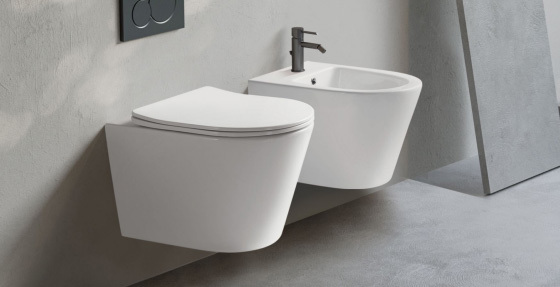
Siphonic Toilet: A Deep Dive into Functionality, Efficiency, and Modern Design
Release time:
2026-01-30
Siphonic toilets are known for their efficient flushing, water conservation, and modern design, making them a preferred choice for residential and commercial bathrooms.

The siphonic toilet, an essential fixture in modern bathrooms, has earned its reputation for efficient waste removal, high-performance flushing, and water conservation. This type of toilet, which uses siphon technology for its flushing mechanism, is gaining popularity worldwide due to its powerful flush, reduced water usage, and sleek design. But what makes the siphonic toilet stand out, and why is it a preferred choice in many homes and commercial settings?
Understanding Siphonic Technology
The term "siphonic" refers to a mechanism that uses the principles of siphoning—where a liquid is drawn from one container to another using a tube and gravity. In the case of the siphonic toilet, water is drawn into the bowl from the tank, and then the siphonic action creates a strong suction force that quickly and efficiently removes waste from the toilet bowl. This creates a smoother, more efficient flush compared to traditional toilets that rely purely on gravity.
One of the defining features of siphonic toilets is the use of a specially designed bowl. The bowl has a unique shape, which helps to create the siphonic effect by trapping water at a certain point. When the flush lever is activated, the water rushes into the bowl, displacing waste and causing a siphonic vacuum to form, which efficiently pulls the waste through the trap and into the plumbing system.
The Advantages of Siphonic Toilets
Powerful Flush
Siphonic toilets are known for their powerful flush, which ensures that waste is efficiently removed from the bowl with minimal water usage. This powerful flush eliminates the need for multiple flushes, reducing water wastage and increasing the toilet’s efficiency.
Water Conservation
Siphonic toilets use less water per flush compared to older models. With many modern siphonic toilets using as little as 1.28 gallons per flush (GPF), they help conserve water without compromising on performance. This is particularly important in areas where water conservation is a concern.
Reduced Odor and Bacteria
The strong flushing action of siphonic toilets helps to reduce odor and bacteria buildup by thoroughly cleaning the bowl with every flush. The water is directed into hard-to-reach areas, ensuring that waste is fully removed and the toilet remains cleaner for longer.
Silent Operation
Unlike some other types of toilets, siphonic toilets are known for their quieter operation. The flushing mechanism is designed to be relatively silent, which makes them ideal for homes and commercial spaces where noise reduction is a priority.
Minimal Splashing
Thanks to the unique design of the siphonic toilet, the flush creates a controlled flow of water that reduces the likelihood of splashing. This provides a more hygienic experience, as the water stays within the bowl and does not splatter outside of it.
Stylish and Modern Design
Siphonic toilets are often designed with aesthetics in mind, offering a sleek and modern look. The minimalist design of many siphonic toilets fits well in contemporary bathrooms, complementing a range of interior styles and preferences.
Siphonic Toilet Design Features
Siphonic toilets typically feature a number of key design elements that contribute to their functionality and efficiency:
Siphon Jet: A critical component in the siphonic toilet’s flushing system, the siphon jet directs a large amount of water into the bowl to create a powerful flushing action.
Trapway: The trapway is a specially designed path in the toilet that guides waste away from the bowl and into the plumbing system. The shape of the trapway helps create the siphon effect, which increases the suction and ensures a thorough flush.
Water Conservation Technology: Many modern siphonic toilets are designed to use water more efficiently by incorporating dual-flush mechanisms, allowing users to choose between a full flush for solid waste and a partial flush for liquid waste.
Related news
CONTACT US
Address: No. 4 Factory Building, South Side of Qianqian Road, Yingfeng Village, Fengtang Town, Chao 'an District, Chaozhou City
Email:BANINGSU@outlook.com
Phone/Whatsapp/Wechat:+86-13413709494
Mobile Phone Client