

-
-
Products
 Our Service
-
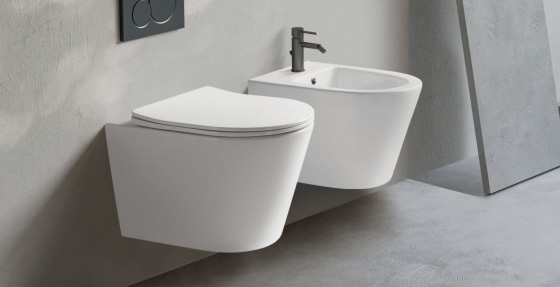
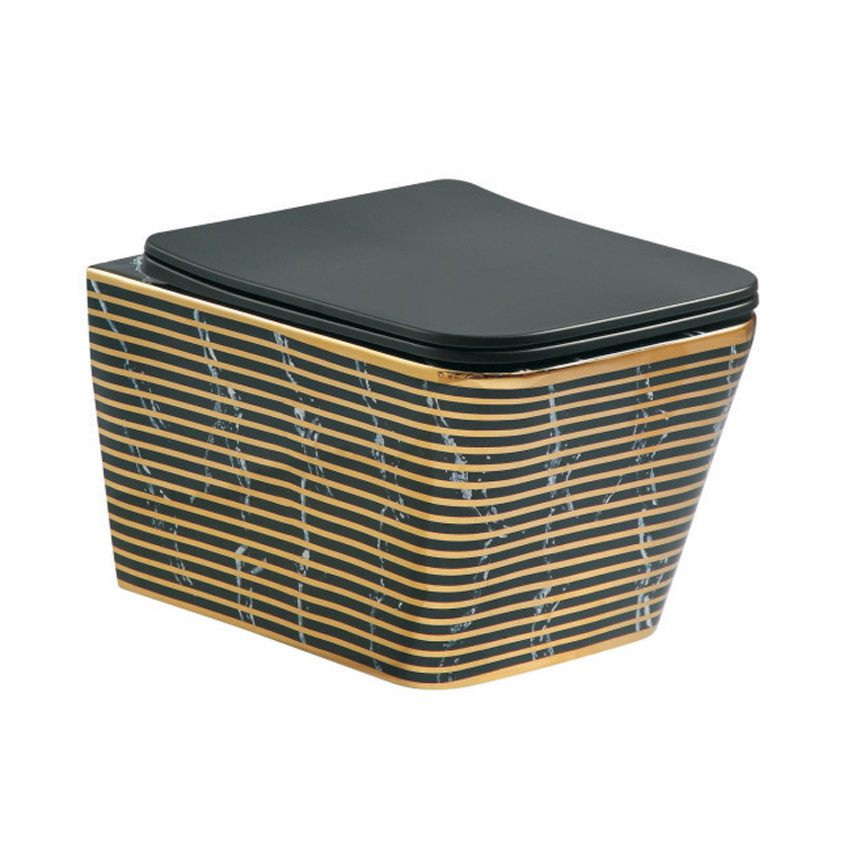
high-temperature fired ceramic
425*425*145
key word: Sanitary Ware
Category:
high-temperature fired ceramic
**High-Temperature Fired Ceramic**
High-temperature fired ceramics have gained significant attention in various industries due to their exceptional properties and applications. These ceramics are produced through a high-temperature firing process that enhances their mechanical strength, thermal stability, and resistance to chemical attack. This article delves into the characteristics, manufacturing processes, applications, and future trends of high-temperature fired ceramics.
One of the defining features of high-temperature fired ceramics is their ability to withstand extreme conditions. Typically, these ceramics can endure temperatures exceeding 1,000 degrees Celsius without losing their structural integrity. This makes them ideal for applications in environments where conventional materials would fail. The ability to maintain strength and stability at elevated temperatures is largely attributed to the crystalline structure formed during the firing process, which contributes to their durability and resilience.
The manufacturing process of high-temperature fired ceramics involves several critical steps. Initially, raw materials such as clay, feldspar, and silica are carefully selected and mixed. The quality of these materials directly impacts the final product. Once the mixture is prepared, it is shaped into the desired form, often using techniques such as pressing or extrusion. The shaped ceramics are then subjected to a high-temperature firing process, typically in a kiln, where temperatures can reach up to 1,600 degrees Celsius.
During firing, several transformations occur. The heat causes the raw materials to undergo chemical reactions, resulting in the formation of new crystalline phases. This process, known as sintering, helps to eliminate porosity and enhances the density of the material. The final product is a dense, strong ceramic that exhibits superior mechanical and thermal properties compared to its low-temperature counterparts.
High-temperature fired ceramics find applications across a wide range of industries. In the aerospace sector, they are used in the manufacturing of components for jet engines and rocket nozzles, where they must withstand extreme heat and pressure. In the automotive industry, these ceramics are employed in brake systems and exhaust components, contributing to improved performance and safety.
Another significant application of high-temperature fired ceramics is in the field of electronics. They are used as insulators and substrates in various electronic devices, including capacitors and circuit boards. Their ability to withstand high temperatures without degrading makes them ideal for these applications, ensuring reliability and longevity in electronic systems.
In addition to traditional applications, high-temperature fired ceramics are also making strides in the field of energy. They are being explored for use in solid oxide fuel cells (SOFCs), which are considered a promising technology for clean energy generation. The high-temperature stability of these ceramics allows for efficient operation and improved performance in fuel cell systems, contributing to the advancement of sustainable energy solutions.
Despite their numerous advantages, the production of high-temperature fired ceramics also presents challenges. The energy consumption associated with high-temperature firing processes can be significant, raising concerns about environmental sustainability. Additionally, the cost of raw materials and the complexity of the manufacturing process can limit widespread adoption in certain applications.
To address these challenges, researchers and manufacturers are exploring innovative approaches to improve the efficiency of high-temperature ceramic production. This includes the development of new materials that require lower firing temperatures, as well as advancements in kiln technology that reduce energy consumption. Furthermore, the integration of recycling processes for ceramic waste can contribute to a more sustainable production cycle.
Looking ahead, the future of high-temperature fired ceramics appears promising. As industries continue to seek materials that can withstand extreme conditions, the demand for these ceramics is expected to grow. Ongoing research into new compositions and manufacturing techniques will likely lead to enhanced properties and expanded applications.
In conclusion, high-temperature fired ceramics are a vital component in various industries, offering unique properties that enable their use in extreme conditions. From aerospace to electronics and energy applications, these materials play a crucial role in advancing technology and improving performance. As challenges related to production and sustainability are addressed, the potential for high-temperature fired ceramics will continue to expand, paving the way for innovative solutions in the future.

Previous page
Next page
Previous page
designer ceramic washbowl
Next page
Related products
Product consultation
CONTACT US
Address: No. 4 Factory Building, South Side of Qianqian Road, Yingfeng Village, Fengtang Town, Chao 'an District, Chaozhou City
Email:BANINGSU@outlook.com
Phone/Whatsapp/Wechat:+86-13413709494
Mobile Phone Client