

-
-
Products
 Our Service
-

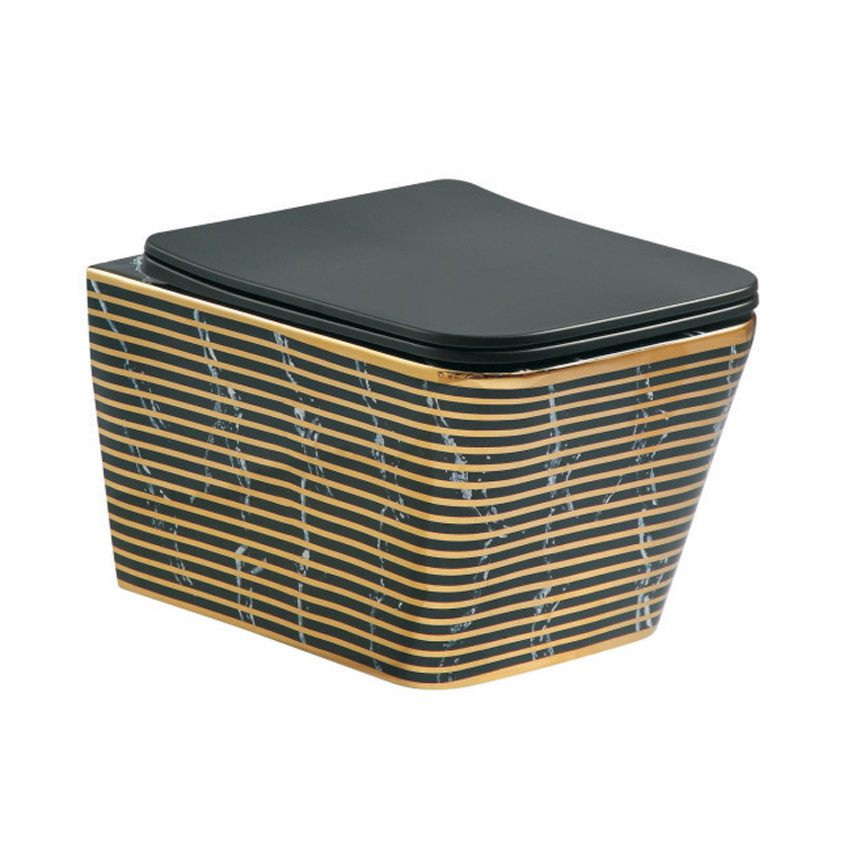
Basin silver factory
500*400*140
key word: Sanitary Ware
Category:
Basin silver factory
**Basin Silver Factory**
In the heart of the picturesque Basin Valley, the Basin Silver Factory stands as a testament to craftsmanship, innovation, and the rich history of silver production. Established over a century ago, this factory has evolved from a small workshop into a significant player in the global silver market. This article delves into the history, production processes, and the cultural significance of the Basin Silver Factory.
**A Glimpse into History**
The origins of the Basin Silver Factory can be traced back to the early 1900s when a group of skilled artisans sought to create a sustainable business centered around silver mining and crafting. The factory was founded by John Anderson, a visionary who recognized the potential of the region's silver deposits. With a handful of workers, Anderson began to extract silver from the nearby mountains, using traditional methods passed down through generations.
As demand for silver grew, so did the factory. The 1920s marked a significant turning point, as the factory began to expand its operations and invest in modern equipment. This period also saw the introduction of intricate designs and innovative techniques, which helped establish the factory's reputation for high-quality silver products. Over the decades, the Basin Silver Factory has adapted to changing market conditions, embracing both traditional craftsmanship and modern technology.
**Production Processes**
At the Basin Silver Factory, the production of silver items is a meticulous process that combines artistry with engineering. The factory employs a diverse team of artisans, each specializing in different aspects of silver crafting. The journey of creating a silver piece begins with sourcing raw materials. The factory prioritizes sustainable mining practices, ensuring that their silver is ethically sourced.
Once the raw silver is obtained, it undergoes a series of processes. The first step involves melting the silver, which is then poured into molds to create ingots. These ingots are the foundation for various products, ranging from jewelry to decorative items. Artisans then take over, shaping and refining the silver through techniques such as casting, stamping, and engraving.
One of the standout features of the Basin Silver Factory is its commitment to traditional methods. Many artisans still use hand tools, allowing for a level of detail and uniqueness that machine-made products often lack. This dedication to craftsmanship not only preserves cultural heritage but also results in pieces that are truly one-of-a-kind.
**Innovations and Technology**
While the Basin Silver Factory cherishes its artisanal roots, it is also keenly aware of the importance of innovation in the modern marketplace. The factory has invested in state-of-the-art technology to enhance production efficiency without compromising quality. For instance, computer-aided design (CAD) software allows designers to create intricate patterns and prototypes, which can then be refined before production.
Moreover, the factory has embraced sustainable practices, utilizing eco-friendly techniques in both mining and manufacturing. Solar panels now power a portion of the factory, reducing its carbon footprint and promoting a greener approach to silver production. These innovations not only improve the factory's operational efficiency but also resonate with environmentally conscious consumers.
**Cultural Significance**
The Basin Silver Factory is more than just a production facility; it is a cultural hub that celebrates the artistry of silver crafting. The factory regularly hosts workshops and exhibitions, inviting the community to engage with the craft and learn about the history of silver production in the region. These events foster a sense of pride among locals and help preserve traditional techniques for future generations.
Furthermore, the factory collaborates with local artists to create limited-edition pieces that reflect the unique cultural identity of Basin Valley. These collaborations not only support local talent but also contribute to the factory's diverse product offerings. Visitors to the factory often leave with a deeper appreciation for the art of silver crafting and the stories behind each piece.
**Challenges and Resilience**
Like many industries, the Basin Silver Factory has faced its share of challenges. Economic downturns, fluctuating silver prices, and competition from mass-produced alternatives have tested the resilience of the factory. However, the commitment to quality and craftsmanship has allowed it to weather these storms.
In recent years, the factory has also adapted to changing consumer preferences, with an increasing demand for sustainable and ethically sourced products. By emphasizing its dedication to responsible practices, the Basin Silver Factory has successfully carved out a niche in the competitive silver market.
**Conclusion**
The Basin Silver Factory stands as a shining example of how tradition and innovation can coexist in the modern world. With a rich history, a commitment to craftsmanship, and a focus on sustainability, the factory has secured its place as a leader in the silver industry. As it continues to evolve, the Basin Silver Factory remains dedicated to producing exquisite silver pieces that tell the story of its heritage while embracing the future. Visitors to the factory not only experience the beauty of silver craftsmanship but also become part of a narrative that celebrates artistry, community, and resilience.

Previous page
Next page
Previous page
Counter Basin gold
Next page
Related products
Product consultation
CONTACT US
Address: No. 4 Factory Building, South Side of Qianqian Road, Yingfeng Village, Fengtang Town, Chao 'an District, Chaozhou City
Email:BANINGSU@outlook.com
Phone/Whatsapp/Wechat:+86-13413709494
Mobile Phone Client