

-
-
Products
 Our Service
-

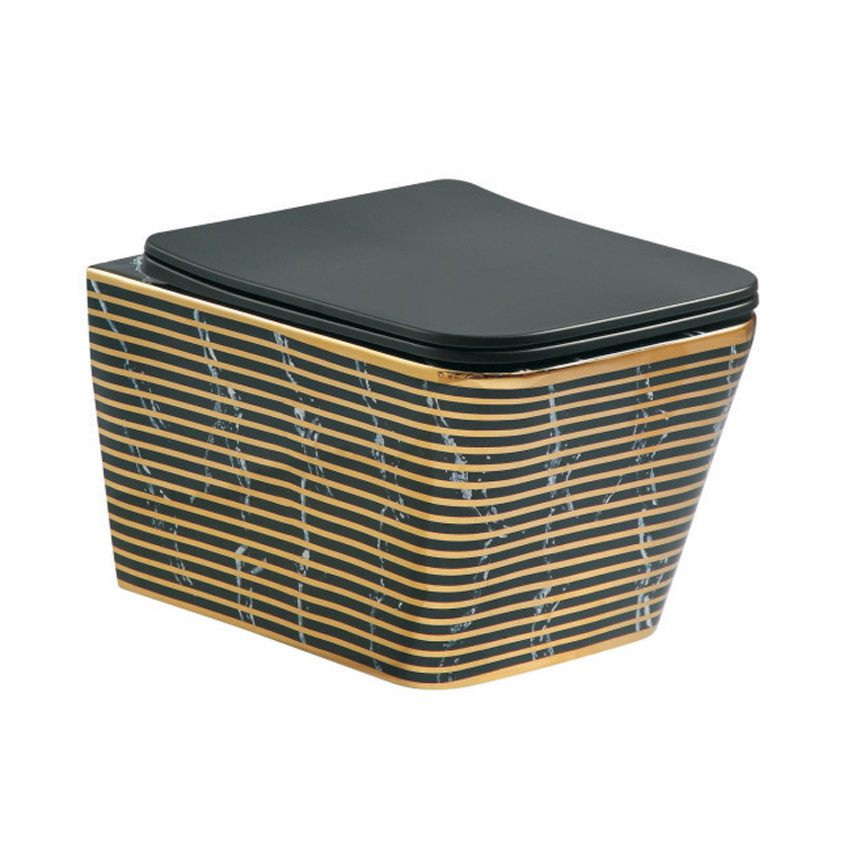
artistic pottery basin
425*425*145
key word: Sanitary Ware
Category:
artistic pottery basin
**Artistic Pottery Basin**
Artistic pottery basins have been a significant part of human culture for centuries, serving both functional and aesthetic purposes. These beautiful creations are not merely vessels for holding water; they are expressions of art, history, and craftsmanship. In this article, we will explore the history, significance, techniques, and contemporary relevance of artistic pottery basins.
The history of pottery can be traced back to ancient civilizations. The earliest known pottery dates back to around 29,000 BCE, discovered in the Czech Republic. As societies evolved, so did their pottery techniques and styles. In ancient Egypt, pottery was adorned with intricate designs and vibrant colors, often used in religious ceremonies. In China, pottery developed into an art form during the Neolithic period, leading to the creation of exquisite basins that showcased the skill of artisans.
The significance of pottery basins extends beyond their utilitarian function. In many cultures, they are seen as symbols of prosperity and abundance. In Mediterranean regions, for example, large pottery basins were used in public spaces, reflecting the community's wealth and artistic heritage. In Asian cultures, decorative basins often served as focal points in gardens and homes, embodying harmony and tranquility. These basins were not only practical but also enhanced the beauty of their surroundings.
Artistic pottery basins come in various shapes, sizes, and styles, each reflecting the cultural context from which they originate. In the Middle East, for instance, you can find intricately designed ceramic basins, often featuring geometric patterns and vivid colors. These designs tell stories of the region's rich history and traditions. Similarly, in Japan, pottery basins are often simple yet elegant, emphasizing the beauty of imperfection, a concept known as "wabi-sabi."
The techniques used in creating artistic pottery basins are diverse and complex. Traditional methods involve hand-building or wheel-throwing, followed by glazing and firing. The choice of clay, glaze, and firing temperature can significantly affect the final product's appearance and durability. Artists often experiment with various techniques to achieve unique textures and colors. For instance, some may use raku firing, a Japanese technique that results in vibrant, metallic finishes, while others may opt for stoneware, known for its strength and versatility.
In addition to traditional methods, contemporary artists have embraced innovative approaches to pottery. With advancements in technology, many potters now use electric kilns and 3D printing techniques to create intricate designs that were once impossible to achieve. This blend of traditional craftsmanship and modern technology has led to a resurgence in the popularity of artistic pottery basins.
Moreover, the rise of eco-consciousness has influenced the pottery industry. Many contemporary artists prioritize sustainability by using locally sourced materials and eco-friendly glazes. This shift not only reflects a growing awareness of environmental issues but also connects the art of pottery to a broader movement towards sustainability and responsible consumption.
The role of artistic pottery basins in contemporary society is multifaceted. They are not just functional items; they are also sought-after pieces of art that enhance home decor. Many interior designers incorporate these basins into their projects, using them as statement pieces that add character and charm to spaces. From rustic farmhouse styles to modern minimalist aesthetics, artistic pottery basins can complement a wide range of design themes.
Furthermore, pottery basins have found their place in art galleries and exhibitions. Many artists showcase their work in curated shows, where the beauty and craftsmanship of their creations can be appreciated by a broader audience. This visibility helps to elevate pottery as a respected art form, encouraging new generations of artists to explore this medium.
In conclusion, artistic pottery basins are more than just functional items; they are a testament to human creativity and craftsmanship. With a rich history that spans thousands of years, these beautiful creations reflect the cultural heritage of various societies. As we move into a more sustainable and innovative future, the art of pottery continues to evolve, captivating audiences and enriching our lives. Whether used for practical purposes or displayed as art, artistic pottery basins will undoubtedly remain an integral part of our cultural landscape for years to come.

Previous page
Next page
Previous page
handcrafted ceramic sink
Next page
Related products
Product consultation
CONTACT US
Address: No. 4 Factory Building, South Side of Qianqian Road, Yingfeng Village, Fengtang Town, Chao 'an District, Chaozhou City
Email:BANINGSU@outlook.com
Phone/Whatsapp/Wechat:+86-13413709494
Mobile Phone Client