

-
-
Products
 Our Service
-
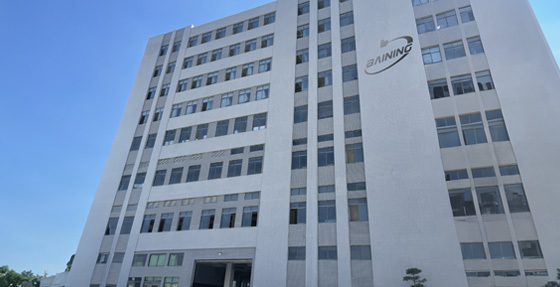
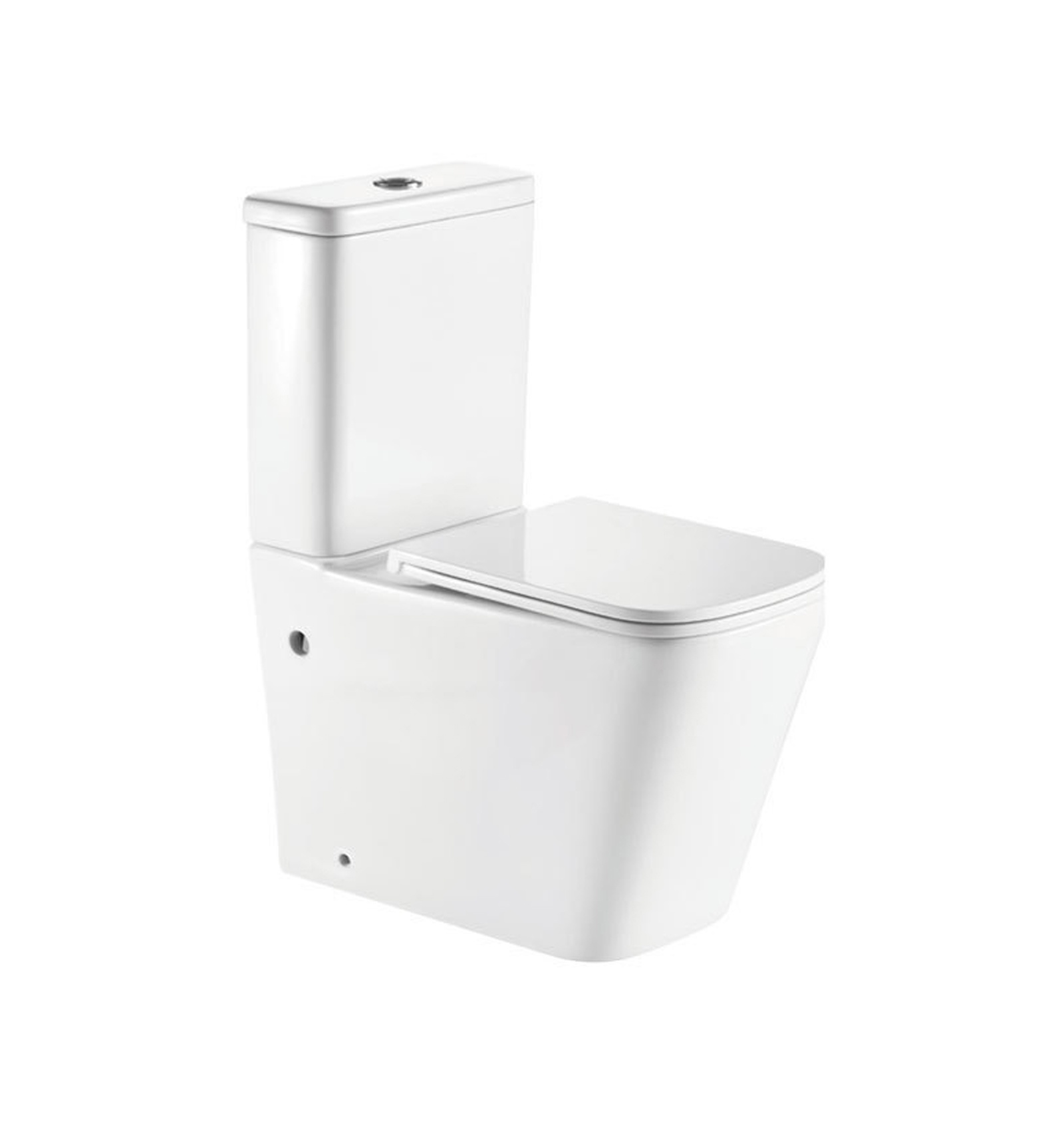
Seamless basin
455*320*135
key word: Sanitary Ware
Category:
Seamless basin
**Seamless Basin**
The concept of a "seamless basin" is a fascinating and multifaceted topic that encompasses various fields such as geology, environmental science, urban planning, and even art. This article aims to explore the different dimensions of seamless basins, their significance, and their implications for sustainable development and ecological balance.
A seamless basin can be defined as a hydrological unit that functions without interruption or fragmentation. This means that water flows through the basin without being obstructed by artificial barriers or significant changes in elevation. Such basins are critical for maintaining ecological integrity and promoting biodiversity. They serve as natural habitats for numerous species and play a vital role in the water cycle, contributing to groundwater recharge and surface water quality.
The importance of seamless basins can be observed in their role in managing water resources. In many regions, urbanization has led to the fragmentation of natural landscapes, disrupting the flow of water and creating artificial barriers. This has resulted in increased flooding, decreased water quality, and loss of biodiversity. Seamless basins, on the other hand, allow for the natural movement of water, helping to mitigate these issues. By preserving these basins, communities can enhance their resilience to climate change and reduce the risks associated with extreme weather events.
In addition to their ecological benefits, seamless basins also hold cultural and historical significance. Many indigenous communities have long recognized the value of these natural systems, often incorporating them into their spiritual beliefs and practices. For example, rivers and lakes within seamless basins may be seen as sacred spaces that are integral to the community's identity. Preserving these areas not only protects biodiversity but also honors the cultural heritage of the people who depend on them.
Urban planners and policymakers are increasingly recognizing the importance of seamless basins in sustainable development. As cities continue to grow, integrating natural water systems into urban landscapes can provide numerous benefits. Green infrastructure, such as rain gardens, bioswales, and permeable pavements, can help mimic the natural flow of water and reduce the burden on stormwater systems. By designing cities that respect and incorporate seamless basins, planners can create healthier, more resilient urban environments.
The concept of a seamless basin also extends to artistic expressions and interpretations. Artists often draw inspiration from natural landscapes, creating works that reflect the beauty and complexity of these systems. Whether through painting, sculpture, or photography, artists can communicate the significance of seamless basins and raise awareness about environmental issues. Their work can inspire audiences to appreciate and protect these vital ecosystems, fostering a deeper connection between people and nature.
However, despite the myriad benefits of seamless basins, they are under threat from human activities. Deforestation, industrialization, and agricultural expansion often lead to the degradation of these natural systems. As a result, water quality deteriorates, habitats are destroyed, and communities face increasing challenges related to water scarcity and flooding. To combat these issues, it is essential to adopt a holistic approach to land and water management that prioritizes the protection of seamless basins.
One effective strategy for safeguarding seamless basins is the implementation of conservation easements and land-use regulations. These measures can help limit development in sensitive areas, ensuring that the natural flow of water remains uninterrupted. Additionally, promoting community engagement and education can empower local residents to take an active role in preserving their natural resources. By fostering a sense of stewardship, communities can work together to protect their seamless basins for future generations.
In conclusion, the concept of a seamless basin encompasses a wide range of ecological, cultural, and artistic dimensions. These natural systems are vital for maintaining biodiversity, managing water resources, and promoting sustainable development. As we face increasing environmental challenges, it is crucial to recognize the importance of seamless basins and take action to protect them. By integrating these natural landscapes into urban planning, supporting conservation efforts, and raising awareness through artistic expressions, we can create a more harmonious relationship between people and the environment. In doing so, we not only preserve the beauty and integrity of seamless basins but also ensure a healthier and more sustainable future for all.

Previous page
Next page
Previous page
above counter basin
Next page
Related products

Product consultation
CONTACT US
Address: No. 4 Factory Building, South Side of Qianqian Road, Yingfeng Village, Fengtang Town, Chao 'an District, Chaozhou City
Email:BANINGSU@outlook.com
Phone/Whatsapp/Wechat:+86-13413709494
Mobile Phone Client