

-
-
Products
 Our Service
-

Interior photo of the exhibition hall
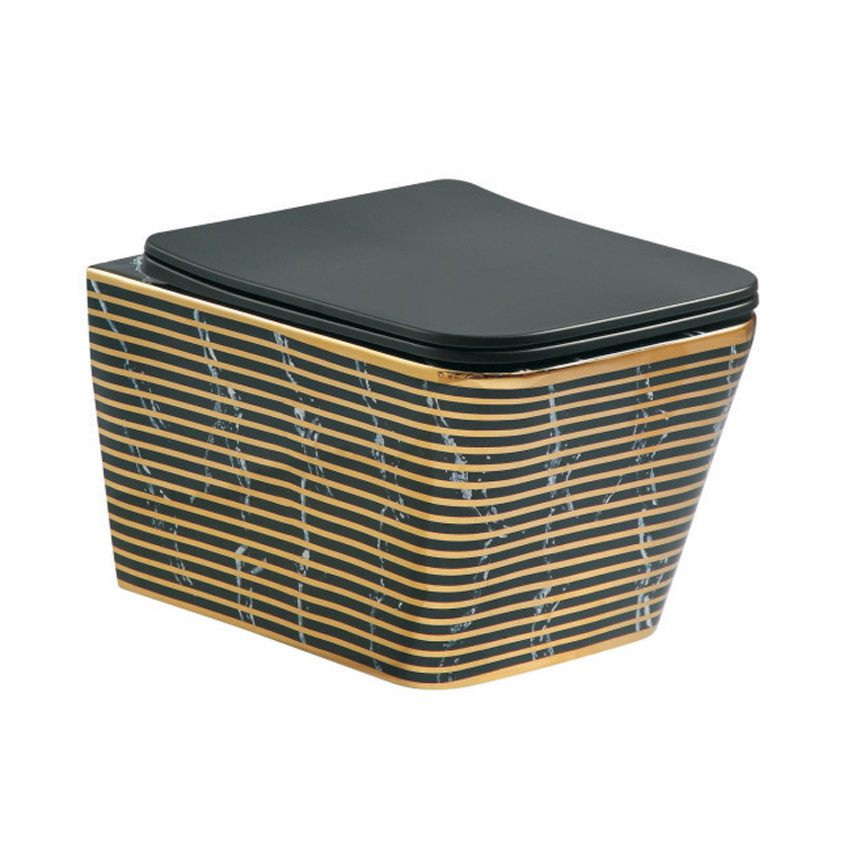
500*400*140
key word: Sanitary Ware
Category:
Interior photo of the exhibition hall
**Interior Photo of the Exhibition Hall**
The interior of an exhibition hall serves as a canvas where creativity meets functionality. This space is not merely a structure; it is a dynamic environment that reflects the essence of the exhibitions held within. Whether showcasing art, technology, or culture, the layout, design, and ambiance of an exhibition hall play a pivotal role in the overall experience for visitors. This article delves into the various aspects that define the interior of an exhibition hall, highlighting its significance and the elements that contribute to its unique atmosphere.
One of the most striking features of an exhibition hall is its architectural design. The layout is often open and spacious, allowing for a fluid movement of visitors. High ceilings and expansive walls create an inviting atmosphere, making it easier to display large installations or artworks. Natural light is another crucial aspect; large windows or skylights can enhance the visual appeal of the space while reducing the need for artificial lighting. This not only creates an aesthetically pleasing environment but also contributes to sustainability efforts by minimizing energy consumption.
The arrangement of exhibits is another critical element in the interior of an exhibition hall. Curators meticulously plan the layout to ensure a cohesive flow that guides visitors through the space. Different zones can be established to categorize exhibits, allowing visitors to explore various themes or concepts. This zoning not only aids navigation but also enhances the overall experience by providing context and a narrative to the exhibits. The strategic placement of exhibits encourages interaction and engagement, drawing visitors in and inviting them to explore the stories behind the artworks or displays.
Lighting is perhaps one of the most vital components of an exhibition hall's interior. It can dramatically alter the perception of an artwork or installation. Proper lighting highlights textures, colors, and details, allowing visitors to appreciate the nuances of each piece. Adjustable lighting systems are often employed, enabling curators to modify the ambiance according to the needs of the exhibition. Soft, diffused lighting may be used for more intimate displays, while bright, focused lights can draw attention to significant pieces. This versatility in lighting design is essential in creating an immersive experience for the audience.
In addition to architectural design and lighting, the choice of materials and finishes contributes to the overall aesthetic of the exhibition hall. The use of high-quality materials can elevate the space, providing a sense of sophistication and professionalism. Walls may be painted in neutral tones to allow the exhibits to take center stage, while flooring options can vary from polished concrete to hardwood, each adding a distinct character to the environment. Textures and finishes are carefully selected to create a harmonious balance, ensuring that the space feels cohesive and inviting.
Another crucial aspect of the interior of an exhibition hall is the incorporation of technology. In today's digital age, technology plays a significant role in enhancing the visitor experience. Interactive displays, virtual reality stations, and multimedia presentations can transform a traditional exhibition into an engaging journey. Touchscreen information panels allow visitors to delve deeper into the exhibits, providing additional context and background information. The integration of technology not only modernizes the space but also caters to the evolving preferences of audiences who seek immersive and interactive experiences.
Furthermore, the interior of an exhibition hall must also consider the practicalities of visitor flow and accessibility. Wide pathways and clear signage are essential for facilitating movement, ensuring that visitors can navigate the space comfortably. Accessibility features, such as ramps and designated seating areas, are vital for accommodating individuals with disabilities. Creating an inclusive environment enhances the overall experience for all visitors, fostering a sense of community and belonging.
In conclusion, the interior of an exhibition hall is a multifaceted space that combines architectural design, lighting, materials, technology, and accessibility to create a unique environment for showcasing art and culture. Each element plays a significant role in shaping the visitor experience, making it essential for curators and designers to collaborate closely in the planning process. As we continue to explore new ways of presenting exhibitions, the interior of these halls will evolve, reflecting the changing landscape of art and culture. Ultimately, a well-designed exhibition hall not only serves as a backdrop for displays but also as a catalyst for inspiration, connection, and discovery among visitors.

Previous page
Next page
Previous page
factory Chaozhou
Next page
Related products
Product consultation
CONTACT US
Address: No. 4 Factory Building, South Side of Qianqian Road, Yingfeng Village, Fengtang Town, Chao 'an District, Chaozhou City
Email:BANINGSU@outlook.com
Phone/Whatsapp/Wechat:+86-13413709494
Mobile Phone Client