

-
-
Products
 Our Service
-
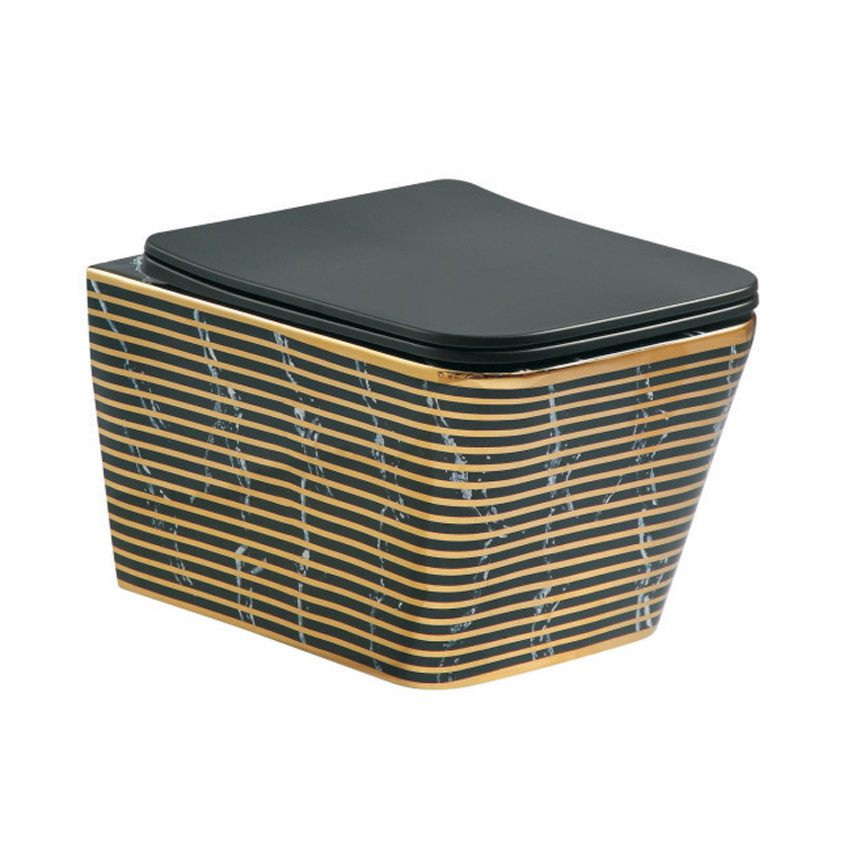
factory basin
445*225*125
key word: Sanitary Ware
Category:
factory basin
**Factory Basin: The Heart of Industrial Innovation**
In the modern world, factories play a pivotal role in shaping economies and driving innovation. Among the various components of industrial infrastructure, the concept of a "factory basin" emerges as a crucial element in enhancing production efficiency and promoting sustainable practices. This article explores the significance of factory basins, their design, their impact on manufacturing processes, and their role in fostering an eco-friendly industrial landscape.
**Understanding Factory Basins**
A factory basin can be defined as a designated area within or surrounding a manufacturing facility where raw materials are stored, processed, and transformed into finished products. This space is designed to optimize workflow, reduce waste, and enhance overall productivity. The layout of a factory basin typically incorporates various functional zones, including storage, assembly, quality control, and distribution.
The design of a factory basin is influenced by several factors, including the type of industry, the scale of production, and the nature of the products being manufactured. In essence, a well-planned factory basin facilitates a seamless transition between different stages of production, thereby minimizing delays and maximizing output.
**The Importance of Efficient Design**
One of the primary objectives of creating an effective factory basin is to streamline operations. An efficient design reduces the distance materials must travel within the facility, thereby cutting down on time and labor costs. For instance, if raw materials are stored close to the production line, workers can quickly access what they need, leading to faster turnaround times.
Moreover, a thoughtfully designed factory basin can help prevent bottlenecks in production. By strategically placing equipment and workstations, manufacturers can ensure that each stage of the process flows smoothly into the next. This not only enhances productivity but also improves the overall quality of the finished products.
**Environmental Considerations**
In recent years, there has been a growing emphasis on sustainability in manufacturing. Factory basins can play a significant role in promoting eco-friendly practices. By integrating green technologies and sustainable materials into the design of factory basins, manufacturers can reduce their environmental footprint.
For example, incorporating rainwater harvesting systems can help factories manage their water usage more efficiently. Additionally, using energy-efficient machinery and implementing waste recycling programs can further contribute to sustainability efforts. A factory basin that prioritizes environmental responsibility not only benefits the planet but can also enhance a company's reputation and appeal to eco-conscious consumers.
**Technological Advancements**
The advent of advanced technologies has revolutionized the design and functionality of factory basins. Automation, artificial intelligence, and the Internet of Things (IoT) have all contributed to creating smarter and more efficient manufacturing environments. For instance, IoT sensors can monitor equipment performance in real-time, allowing for predictive maintenance and minimizing downtime.
Moreover, automated systems can streamline inventory management within the factory basin. By employing robotics and AI algorithms, manufacturers can ensure that raw materials are always available when needed, reducing the risk of production delays. These technological advancements not only enhance efficiency but also foster a culture of innovation within the manufacturing sector.
**Case Studies of Successful Factory Basins**
To illustrate the impact of factory basins on manufacturing, it is helpful to examine real-world examples. One notable case is that of Tesla’s Gigafactory in Nevada. This facility is designed with a focus on sustainability and efficiency, featuring a vast factory basin that accommodates various production stages. The integration of renewable energy sources, such as solar panels, allows Tesla to minimize its reliance on non-renewable energy, showcasing how a well-designed factory basin can align with eco-friendly goals.
Another example is Toyota's production system, which emphasizes lean manufacturing principles. Toyota's factory basins are meticulously organized to eliminate waste and improve workflow. By adopting a just-in-time inventory approach, the company ensures that materials arrive precisely when needed, reducing storage costs and enhancing production efficiency.
**Challenges in Factory Basin Design**
While the benefits of factory basins are evident, there are also challenges associated with their design and implementation. One significant challenge is the need for flexibility. As market demands change, manufacturers must be able to adapt their factory basins accordingly. This may involve reconfiguring layouts, upgrading equipment, or incorporating new technologies.
Additionally, the initial investment required to design and build an efficient factory basin can be substantial. Manufacturers must carefully consider the long-term benefits of such investments against their upfront costs. However, as many companies have discovered, the return on investment can be significant when factoring in increased productivity and reduced operational costs.
**Conclusion**
In conclusion, factory basins are essential components of modern manufacturing facilities. Their design and functionality play a critical role in enhancing productivity, promoting sustainability, and fostering innovation. As industries continue to evolve, the importance of efficient and eco-friendly factory basins will only grow. By embracing advanced technologies and sustainable practices, manufacturers can position themselves at the forefront of industrial innovation, paving the way for a more efficient and responsible future. The factory basin is not just a physical space; it is the heart of industrial innovation, driving progress and shaping the economy for generations to come.

Previous page
Next page
Previous page
CENTRAL AFRICA style ceramic basin
Next page
Related products

Product consultation
CONTACT US
Address: No. 4 Factory Building, South Side of Qianqian Road, Yingfeng Village, Fengtang Town, Chao 'an District, Chaozhou City
Email:BANINGSU@outlook.com
Phone/Whatsapp/Wechat:+86-13413709494
Mobile Phone Client