

-
-
Products
 Our Service
 -

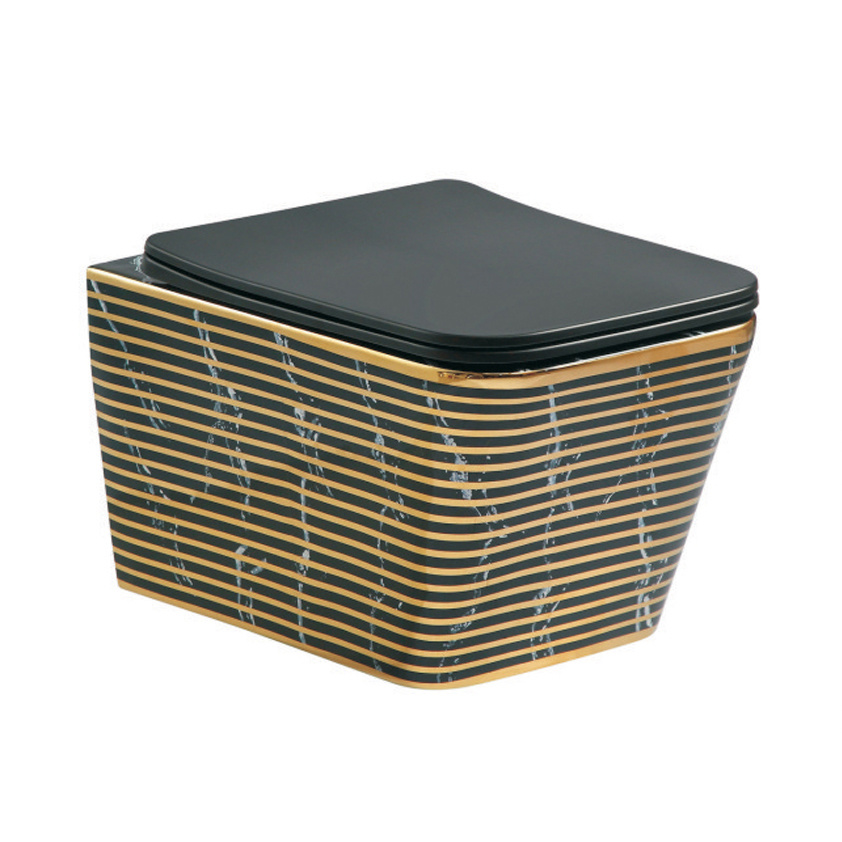
W-822
W-822
key word: Sanitary Ware
Category:
W-822
**BURMA Ceramic Wash Basin**
The beauty and utility of ceramic wash basins have transcended time and culture, and one particular style that has gained attention in recent years is the Burma ceramic wash basin. This exquisite piece of craftsmanship not only serves a practical purpose but also embodies the rich cultural heritage of Burma, also known as Myanmar. In this article, we will explore the unique characteristics, craftsmanship, and cultural significance of Burma ceramic wash basins.
**The Art of Burmese Ceramics**
Burmese ceramics have a long and storied history, dating back centuries. The artisans of Burma have honed their skills over generations, creating pieces that reflect both traditional techniques and contemporary designs. The process of making a ceramic wash basin begins with the selection of high-quality clay, which is abundant in the region. The clay is then shaped into the desired form, often using hand-throwing techniques that allow for a unique and personal touch in each piece.
Once shaped, the basin is left to dry before being fired in a kiln. This firing process is crucial as it solidifies the structure and enhances the clay's durability. The temperature and duration of the firing can vary, influencing the final appearance and texture of the basin. After the initial firing, artisans apply glazes, often featuring vibrant colors and intricate patterns that are characteristic of Burmese art. The final step involves a second firing to set the glaze, resulting in a stunning and functional piece.
**Design Features of Burma Ceramic Wash Basins**
Burma ceramic wash basins are known for their striking designs and vibrant colors. Traditional patterns often include motifs inspired by nature, such as flowers, leaves, and animals. These designs not only beautify the basin but also tell a story, reflecting the rich biodiversity of Burma. In addition to traditional motifs, contemporary designs have emerged, incorporating modern aesthetics while still honoring the craftsmanship of the past.
One of the standout features of these wash basins is their size and shape. They can vary significantly, from small, compact basins suitable for powder rooms to larger, more elaborate designs ideal for spacious bathrooms. The shapes can also differ, ranging from round and oval to more angular and geometric forms. This versatility allows homeowners and designers to choose a basin that complements their specific space and style.
**Cultural Significance**
The significance of the Burma ceramic wash basin extends beyond its aesthetic appeal. In Burmese culture, ceramics are often associated with hospitality and the importance of cleanliness. A beautifully crafted wash basin can serve as a focal point in a home, inviting guests to wash their hands and refresh themselves. This practice reflects the deep-rooted cultural value placed on cleanliness and the care extended to visitors.
Moreover, the production of ceramic wash basins supports local artisans and communities. Many artisans work in small workshops, passing down their skills to the next generation. By purchasing a Burma ceramic wash basin, consumers are not only acquiring a unique piece of art but also contributing to the preservation of traditional crafts and the livelihoods of those who create them.
**Sustainability and Environmental Considerations**
In recent years, there has been a growing awareness of sustainability in the production of ceramics. Many artisans in Burma are adopting eco-friendly practices, such as sourcing local materials and utilizing traditional firing techniques that minimize environmental impact. Additionally, the use of natural glazes made from local minerals helps reduce the carbon footprint associated with ceramic production.
Consumers are increasingly seeking out sustainable options for their homes, and Burma ceramic wash basins fit this demand perfectly. By choosing a handcrafted basin, individuals can enjoy a beautiful product while supporting environmentally conscious practices and local economies.
**Incorporating Burma Ceramic Wash Basins into Home Design**
Integrating a Burma ceramic wash basin into home decor can enhance the overall aesthetic and create a striking focal point. Whether placed in a bathroom, kitchen, or even an outdoor space, these wash basins can elevate the ambiance of any setting.
For a traditional home, a basin featuring classic motifs can complement wooden cabinetry and vintage fixtures. In contrast, a contemporary design can serve as a statement piece in a minimalist bathroom, contrasting beautifully with sleek, modern lines.
When incorporating a Burma ceramic wash basin, it is essential to consider the surrounding decor. Pairing the basin with complementary accessories, such as towels, soap dispensers, and artwork, can create a cohesive look that highlights the basin's beauty.
**Conclusion**
The Burma ceramic wash basin is more than just a functional item; it is a work of art that embodies the rich cultural heritage of Burma. With its exquisite craftsmanship, vibrant designs, and cultural significance, this wash basin serves as a testament to the skill and creativity of Burmese artisans.
As we embrace sustainability and support local communities, the popularity of Burma ceramic wash basins is likely to grow. By incorporating these unique pieces into our homes, we not only enhance our living spaces but also celebrate the artistry and traditions of a remarkable culture.
In a world where mass production often overshadows craftsmanship, choosing a Burma ceramic wash basin is a way to honor the past while creating a beautiful and meaningful present.

Previous page
W-821
Next page
Related products
Product consultation
CONTACT US
Address: No. 4 Factory Building, South Side of Qianqian Road, Yingfeng Village, Fengtang Town, Chao 'an District, Chaozhou City
Email:BANINGSU@outlook.com
Phone/Whatsapp/Wechat:+86-13413709494
Mobile Phone Client