

-
-
Products
 Our Service
-

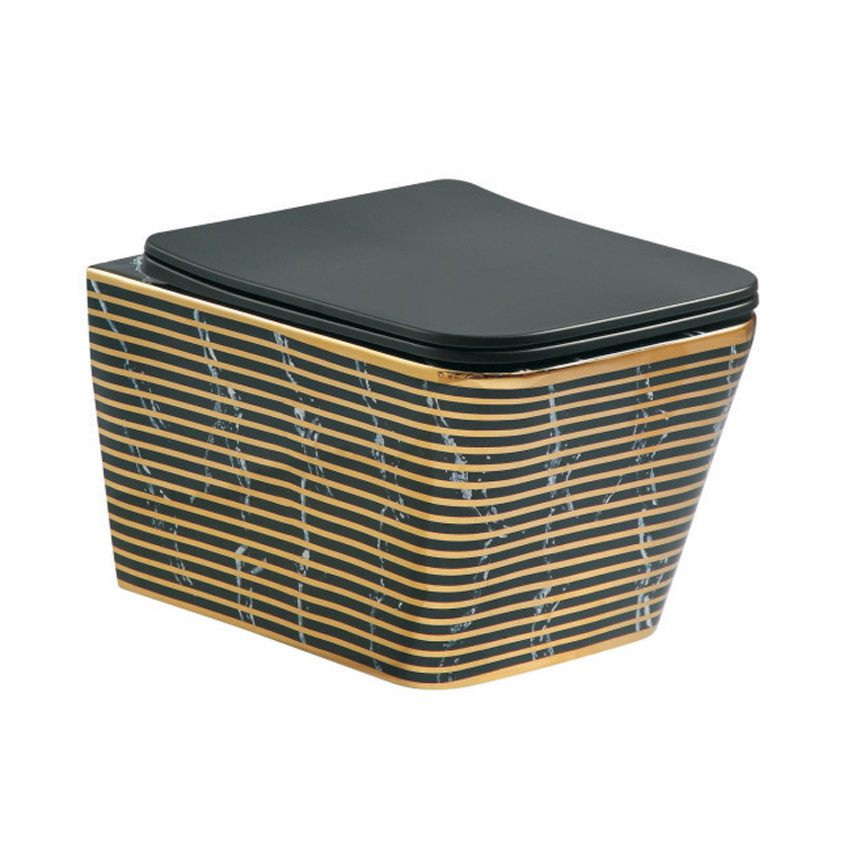
W-804
W-804
key word: Sanitary Ware
Category:
W-804
COTE O’IVOIRE Ceramic Wash Basin
Cote d'Ivoire, also known as Ivory Coast, is a country rich in culture, tradition, and artistry. Among its many artistic contributions, ceramic craftsmanship stands out as a significant element of Ivorian heritage. One of the most practical and beautiful manifestations of this craft is the ceramic wash basin. These wash basins are not just functional items; they are also pieces of art that reflect the rich culture and artistic expression of the Ivorian people.
The History of Ceramics in Cote d'Ivoire
Ceramics have a long-standing tradition in Cote d'Ivoire, with roots tracing back to ancient civilizations. The early inhabitants of the region used clay for various purposes, including pottery for cooking, storage, and ceremonial use. Over time, the techniques and styles evolved, influenced by various cultural exchanges and the introduction of new materials and methods. Today, Ivorian ceramics are celebrated for their unique designs and craftsmanship.
The ceramic wash basin, in particular, has become a staple in many Ivorian households. Traditionally, these basins were handmade using locally sourced clay. Artisans would skillfully mold the clay into various shapes, often drawing inspiration from nature, daily life, and cultural symbols. The process involves several steps, including shaping, drying, firing, and glazing, each requiring a high level of skill and artistry.
Design and Aesthetics
One of the most appealing aspects of Cote d'Ivoire ceramic wash basins is their diverse designs. Each basin is a reflection of the artisan's creativity and the cultural significance behind it. Many basins feature intricate patterns, vibrant colors, and motifs that tell stories of the Ivorian people. Common themes include flora and fauna, geometric shapes, and traditional symbols that represent community, family, and spirituality.
The glazing process adds another layer of beauty to these wash basins. Artisans often use natural pigments to create bright, eye-catching colors that enhance the visual appeal of the pieces. The result is a wash basin that is not only functional but also a decorative element that can brighten up any space. Whether placed in a bathroom, kitchen, or outdoor area, these basins serve as a testament to the rich artistic heritage of Cote d'Ivoire.
Cultural Significance
The ceramic wash basin holds cultural significance beyond its aesthetic appeal. In many Ivorian households, the wash basin is a symbol of hospitality and cleanliness. It is often used in traditional rituals and ceremonies, emphasizing the importance of water in Ivorian culture. Water is seen as a source of life, purity, and renewal, and the wash basin serves as a practical representation of these values.
Moreover, the production of ceramic wash basins supports local artisans and helps preserve traditional craftsmanship. In a world increasingly dominated by mass production, the handmade nature of these basins allows for the continuation of cultural practices and provides a livelihood for many families. By purchasing and using these wash basins, individuals not only acquire a beautiful piece of art but also contribute to the sustainability of Ivorian craftsmanship.
The Modern Market
In recent years, there has been a growing interest in handmade ceramics, both locally and internationally. The rise of eco-conscious consumers and a shift towards unique, artisanal products have created new opportunities for Ivorian ceramic artisans. Many have begun to showcase their work at local markets, art exhibitions, and online platforms, reaching a broader audience eager to embrace authentic, handmade goods.
The ceramic wash basin has found its place in contemporary interior design as well. Designers and homeowners appreciate the blend of traditional craftsmanship with modern aesthetics. The unique character of each wash basin adds a touch of authenticity and warmth to various settings, from rustic to minimalist designs. This fusion of old and new has helped elevate the status of Ivorian ceramics in the global market.
Challenges and Opportunities
Despite the growing interest in Ivorian ceramics, artisans face several challenges. Access to quality materials, tools, and training can be limited, affecting the quality and consistency of their products. Additionally, competition from mass-produced items can overshadow the value of handmade goods, making it difficult for artisans to thrive.
However, there are numerous opportunities for growth and development within the industry. Collaborations with designers, participation in international craft fairs, and increased online visibility can help artisans reach new customers. Furthermore, initiatives aimed at preserving traditional techniques and promoting sustainable practices can ensure the longevity of this cherished craft.
Conclusion
The Cote d'Ivoire ceramic wash basin is more than just a functional item; it is a reflection of the country’s rich cultural heritage and artistic tradition. Each basin tells a story of craftsmanship, community, and connection to the land. As the world becomes more aware of the value of handmade goods, the appreciation for Ivorian ceramics continues to grow. Supporting local artisans not only helps preserve these traditional practices but also enriches our lives with the beauty and history embedded in each piece. By choosing to incorporate these unique wash basins into our homes, we celebrate the artistry of Cote d'Ivoire and contribute to the sustainability of its vibrant culture.

Previous page
W-803
Next page
Related products
Product consultation
CONTACT US
Address: No. 4 Factory Building, South Side of Qianqian Road, Yingfeng Village, Fengtang Town, Chao 'an District, Chaozhou City
Email:BANINGSU@outlook.com
Phone/Whatsapp/Wechat:+86-13413709494
Mobile Phone Client