

-
-
Products
 Our Service
-

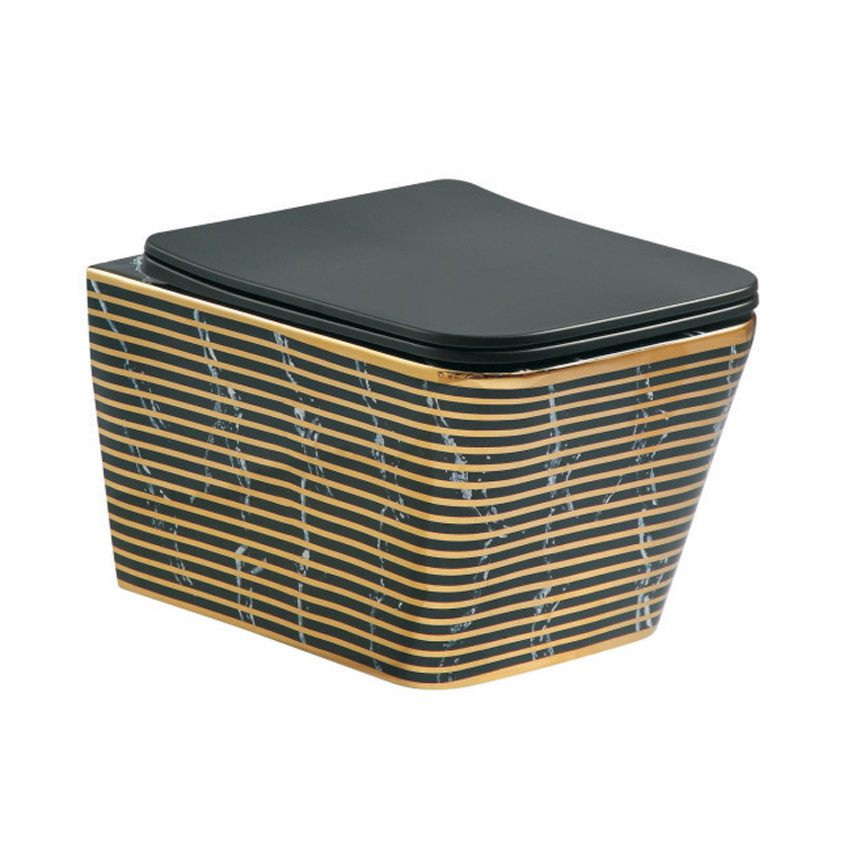
W-800
W-800
key word: Sanitary Ware
Category:
W-800
**JAPAN Ceramic Wash Basin**
Japan has a long and rich history of ceramics, renowned for its craftsmanship, aesthetic appeal, and functionality. Among the various ceramic products, the wash basin stands out as a beautiful blend of utility and art. This article explores the significance, styles, and cultural implications of Japan's ceramic wash basins, highlighting their unique characteristics and the artistry behind their creation.
The history of Japanese ceramics can be traced back to ancient times, with evidence of pottery dating back to the Jomon period (14,000 – 300 BCE). Over the centuries, Japanese artisans have developed various techniques and styles, each reflecting the unique cultural and environmental influences of the region. The ceramic wash basin, or "shiro," has evolved into a symbol of both practical use and aesthetic pleasure in Japanese households.
One of the most notable features of Japanese ceramic wash basins is their intricate designs. Traditional motifs often draw inspiration from nature, featuring floral patterns, landscapes, and seasonal elements. The use of colors varies significantly, with earthy tones often dominating the palette. The glazing techniques employed by Japanese artisans create a stunning finish that enhances the beauty of the basin while also providing durability. Many wash basins showcase a combination of celadon, indigo, and white glazes, which not only add to their visual appeal but also serve functional purposes, such as preventing water absorption and making them easy to clean.
In addition to aesthetic considerations, the design of Japanese ceramic wash basins often reflects the principles of Zen philosophy. Simplicity and minimalism are core elements in many Japanese art forms, and this is evident in the clean lines and understated elegance of the wash basins. The concept of "wabi-sabi," which embraces imperfection and transience, is also integral to the design process. As a result, many wash basins possess a unique charm that resonates with those who appreciate the beauty of handmade objects.
The cultural significance of wash basins in Japan extends beyond mere functionality. In traditional Japanese homes, the wash basin serves as a central element in the daily ritual of purification. Water holds deep symbolic meaning in Japanese culture, representing cleansing, renewal, and the flow of life. The act of washing one’s hands or face in a ceramic basin is not only a practical necessity but also a moment of mindfulness, allowing individuals to pause and reflect.
Moreover, Japanese wash basins are often incorporated into garden spaces, enhancing the connection between nature and daily life. A beautifully crafted basin placed in a serene garden setting invites contemplation and offers a tranquil space for individuals to reconnect with their surroundings. These installations are frequently accompanied by other elements of Japanese garden design, such as stone lanterns, gravel paths, and carefully pruned plants, creating a harmonious and balanced environment.
As the demand for Japanese ceramics has grown globally, artisans continue to innovate while staying true to traditional methods. Modern interpretations of the ceramic wash basin can be found in contemporary homes, where they serve as statement pieces in bathrooms and kitchens. Designers often experiment with form, texture, and color, blending traditional craftsmanship with modern aesthetics. This fusion not only honors the rich history of Japanese ceramics but also introduces new audiences to their beauty.
In addition to their visual and cultural significance, Japanese ceramic wash basins also offer practical advantages. Their non-porous surface makes them resistant to stains and odors, ensuring longevity and easy maintenance. Furthermore, the weight and sturdiness of ceramic contribute to their durability, making them a reliable choice for daily use. The thermal properties of ceramic materials also mean that the wash basins can retain temperature, providing a comfortable experience for users.
Collecting Japanese ceramic wash basins has become a popular hobby among enthusiasts and collectors worldwide. Many seek out antique or vintage pieces that tell a story of their own, reflecting the craftsmanship and artistry of their makers. Auctions and specialty shops often feature these unique items, which can vary significantly in style, size, and price. For collectors, each basin represents not just a functional object but also a piece of cultural heritage that connects them to Japan’s rich artistic traditions.
In conclusion, Japan's ceramic wash basins are more than mere household items; they embody a rich tapestry of history, artistry, and cultural significance. From their intricate designs and thoughtful craftsmanship to their role in daily rituals and modern living, these wash basins offer a glimpse into the beauty and depth of Japanese culture. As they continue to evolve and adapt to contemporary tastes, the enduring appeal of Japanese ceramic wash basins ensures that they will remain cherished objects for generations to come. Whether used for practical purposes or as decorative elements in homes and gardens, these ceramics serve as a testament to the timeless artistry of Japan.

Previous page
W-799
Next page
Related products
Product consultation
CONTACT US
Address: No. 4 Factory Building, South Side of Qianqian Road, Yingfeng Village, Fengtang Town, Chao 'an District, Chaozhou City
Email:BANINGSU@outlook.com
Phone/Whatsapp/Wechat:+86-13413709494
Mobile Phone Client