

-
-
Products
 Our Service
-

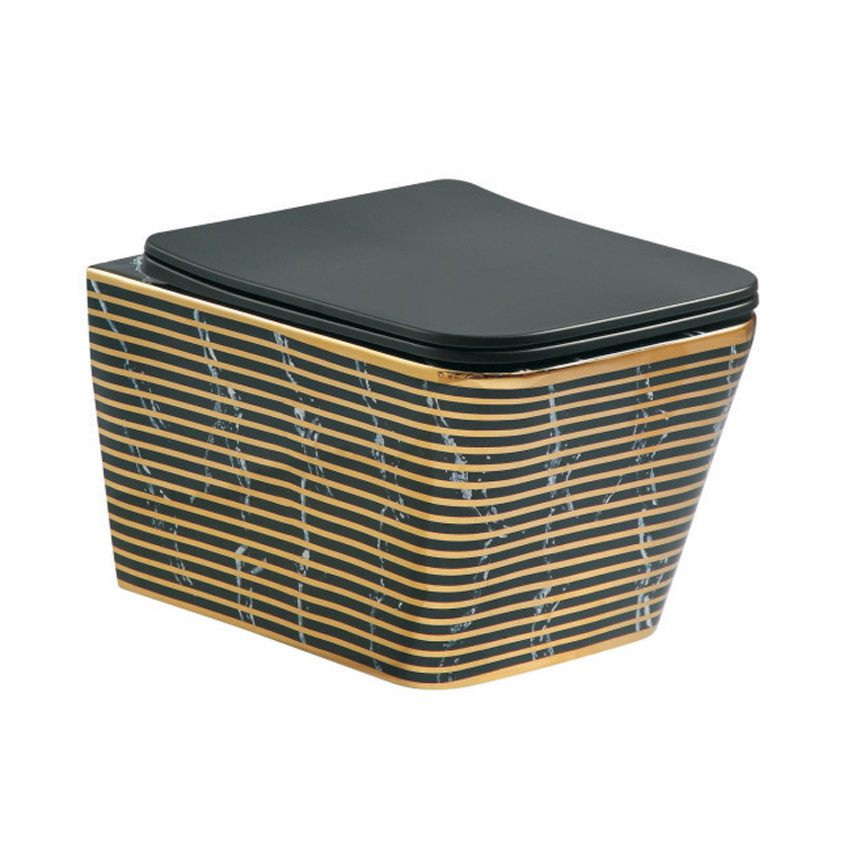
W-761
W-761
key word: Sanitary Ware
Category:
W-761
Title: CHILE Ceramic Wash Basin
Introduction
In recent years, the world of home decor and interior design has seen a significant shift towards unique, artisanal products that tell a story. One such product that has gained popularity is the ceramic wash basin from Chile. Known for their vibrant colors, intricate designs, and high-quality craftsmanship, Chilean ceramic wash basins have become a sought-after item in both residential and commercial spaces. This article will explore the history, craftsmanship, design, and cultural significance of these beautiful pieces, as well as their practical applications in modern interiors.
History of Chilean Ceramics
The art of ceramics in Chile dates back thousands of years, with indigenous cultures such as the Mapuche and Atacameño creating pottery for functional and ceremonial purposes. These early artisans utilized local materials, such as clay and minerals, to create beautifully crafted vessels and decorative items. The techniques and styles developed by these indigenous groups laid the foundation for contemporary Chilean ceramics.
During the colonial period, European influences began to shape the ceramic industry in Chile. Spanish settlers introduced new techniques and styles, blending them with indigenous traditions. This fusion resulted in a unique ceramic aesthetic that is still evident in modern Chilean pottery. Today, artisans continue to draw inspiration from both their rich cultural heritage and contemporary design trends, resulting in a diverse array of ceramic wash basins that reflect the vibrant spirit of Chile.
Craftsmanship
One of the standout features of Chilean ceramic wash basins is the meticulous craftsmanship involved in their creation. Each basin is handcrafted by skilled artisans who have honed their craft over generations. The process begins with sourcing high-quality clay, which is then shaped into the desired form. Artisans often use traditional techniques, such as hand-throwing or hand-building, to ensure that each piece is unique.
After shaping, the basins are left to dry before being fired in a kiln at high temperatures. This firing process not only strengthens the clay but also allows for the application of glazes and decorative elements. Artisans often use natural pigments and glazes, which are derived from local minerals, to create stunning colors and patterns that are characteristic of Chilean ceramics. The final product is a durable, functional piece of art that can withstand daily use while adding a touch of beauty to any space.
Design and Aesthetics
Chilean ceramic wash basins are renowned for their vibrant colors and intricate designs. Many artisans draw inspiration from nature, incorporating motifs such as flowers, leaves, and geometric patterns into their work. The use of bright colors, such as deep blues, rich reds, and sunny yellows, reflects the diverse landscapes of Chile, from its coastal regions to its mountainous terrain.
In addition to traditional designs, contemporary Chilean artisans are also experimenting with modern aesthetics, creating minimalist and abstract patterns that appeal to a broader audience. This versatility makes Chilean ceramic wash basins suitable for a variety of interior styles, from rustic and traditional to sleek and modern. Homeowners and designers alike appreciate the ability to find a piece that not only serves a practical purpose but also acts as a statement piece in their decor.
Cultural Significance
The ceramic wash basin is more than just a functional item; it holds cultural significance in Chilean society. For many artisans, creating ceramics is a way to preserve and celebrate their heritage. By incorporating traditional techniques and designs into their work, they keep the stories and histories of their ancestors alive.
Furthermore, the popularity of Chilean ceramics has led to a resurgence of interest in local craftsmanship. Many artisans are now part of cooperatives or workshops that promote fair trade practices, ensuring that they receive fair compensation for their work. This shift not only supports the livelihoods of artisans but also fosters a sense of community and collaboration among creators.
Practical Applications
In modern interiors, Chilean ceramic wash basins are increasingly being used as focal points in bathrooms, kitchens, and outdoor spaces. Their unique designs and vibrant colors can elevate the aesthetic of any room, making them a popular choice for homeowners and designers alike.
In bathrooms, ceramic wash basins can serve as a stunning centerpiece, drawing attention and adding character to the space. They can be paired with various fixtures and materials, such as wooden vanities or sleek metal faucets, to create a harmonious balance between traditional and contemporary elements.
In kitchens, these wash basins can be used for food preparation or as a decorative element in an outdoor cooking area. Their durability and resistance to wear make them ideal for high-use environments, while their artistic appeal ensures that they remain a beautiful addition to the overall design.
Conclusion
Chilean ceramic wash basins are more than just functional items; they are works of art that embody the rich history, culture, and craftsmanship of Chile. With their vibrant colors, intricate designs, and unique character, these basins have become a beloved choice for those seeking to enhance their living spaces. As the demand for artisanal and culturally significant products continues to grow, Chilean ceramic wash basins stand out as a testament to the beauty and creativity of traditional craftsmanship. Whether used in a modern home or a rustic retreat, these basins bring a touch of Chilean culture and artistry into everyday life, making them a valuable addition to any interior.

Previous page
W-760
Next page
Related products
Product consultation
CONTACT US
Address: No. 4 Factory Building, South Side of Qianqian Road, Yingfeng Village, Fengtang Town, Chao 'an District, Chaozhou City
Email:BANINGSU@outlook.com
Phone/Whatsapp/Wechat:+86-13413709494
Mobile Phone Client