

-
-
Products
 Our Service
-

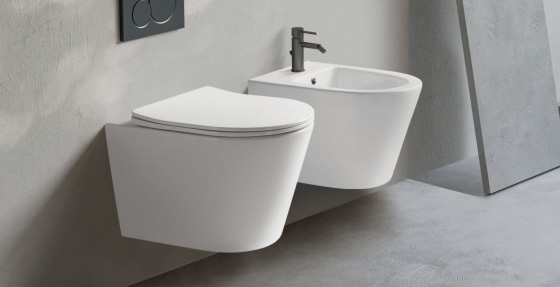
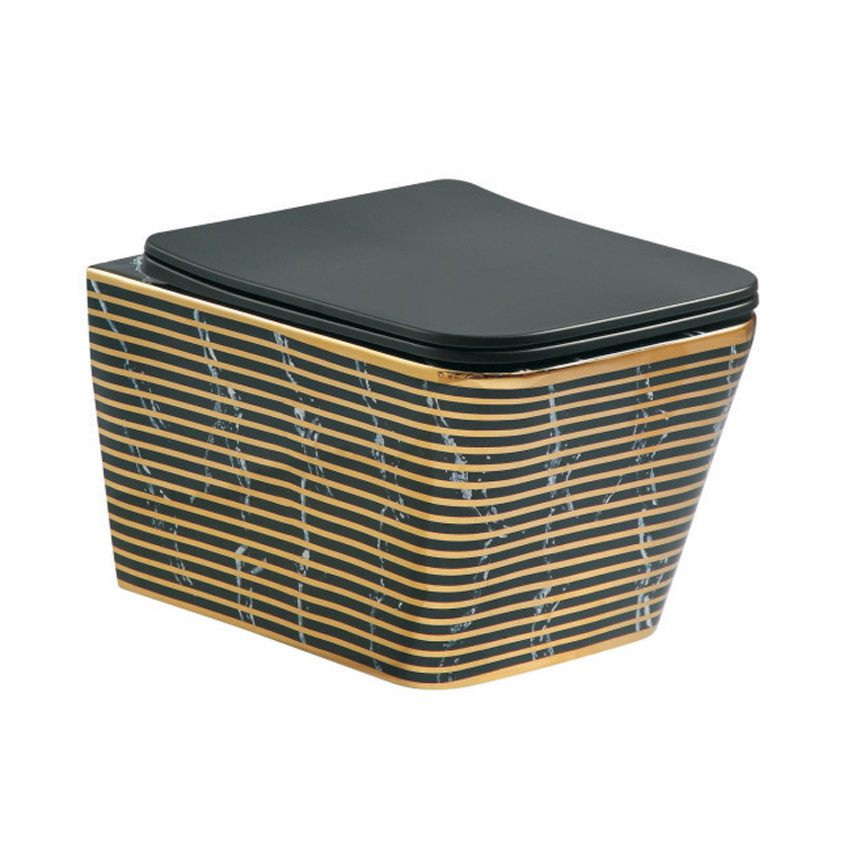
SOUTH AFRICA ceramic wash basin
415*415*125
key word: Sanitary Ware
Category:
SOUTH AFRICA ceramic wash basin
SOUTH AFRICA Ceramic Wash Basin
When it comes to bathroom fixtures, the ceramic wash basin stands out as a timeless and versatile choice. In South Africa, these wash basins have become increasingly popular due to their durability, aesthetic appeal, and cultural significance. This article explores the various aspects of ceramic wash basins in South Africa, including their history, manufacturing processes, designs, and the growing trend of sustainable practices in the industry.
Historical Context
The use of ceramic materials in South Africa dates back to ancient times, with indigenous communities creating pottery for various purposes. The tradition of pottery has evolved over the centuries, influenced by various cultures and communities. The introduction of ceramic wash basins can be traced back to colonial influences, where European designs and techniques merged with local craftsmanship. This blending of styles has led to a unique range of ceramic wash basins that reflect South Africa's diverse heritage.
Manufacturing Process
The production of ceramic wash basins involves several intricate steps. Initially, raw materials such as clay, feldspar, and quartz are sourced from local suppliers. These materials are then processed and mixed to create a uniform consistency. Once the mixture is ready, it is shaped into the desired basin form using molds.
After shaping, the basins are dried and fired in kilns at high temperatures. This firing process not only strengthens the ceramic but also enhances its aesthetic qualities. The final step involves glazing the basins, which adds a layer of protection and provides a glossy finish. South African artisans often incorporate traditional designs and motifs into the glazing process, showcasing the country's rich cultural heritage.
Design Variations
Ceramic wash basins in South Africa come in a wide range of designs, catering to various tastes and preferences. From minimalist contemporary styles to ornate traditional patterns, there is something for everyone. Some popular design elements include vibrant colors, intricate hand-painted patterns, and unique shapes.
In urban areas, modern ceramic wash basins are often characterized by sleek lines and neutral colors, making them a perfect fit for contemporary bathrooms. In contrast, rural regions may feature more traditional designs, often inspired by local flora and fauna. The diversity in designs reflects the cultural richness of South Africa and allows homeowners to express their individuality through their choice of bathroom fixtures.
Sustainability and Eco-Friendliness
In recent years, there has been a growing awareness of sustainability within the ceramic industry. Many manufacturers in South Africa are now adopting eco-friendly practices, focusing on reducing waste and minimizing environmental impact. This shift is driven by both consumer demand and a commitment to preserving the country's natural resources.
One notable trend is the use of recycled materials in the production of ceramic wash basins. By incorporating waste products, such as recycled glass or clay, manufacturers can create high-quality basins while reducing their carbon footprint. Additionally, some artisans are exploring alternative firing methods that consume less energy, further contributing to a more sustainable production process.
The Role of Artisans
Artisans play a crucial role in the ceramic wash basin industry in South Africa. Many skilled craftsmen and women continue to practice traditional pottery techniques, ensuring that these age-old skills are passed down through generations. By supporting local artisans, consumers not only contribute to the preservation of cultural heritage but also promote fair trade practices.
Artisan-made ceramic wash basins often carry a higher price tag due to the labor-intensive nature of the production process. However, many consumers are willing to invest in these unique pieces, recognizing their value as both functional items and works of art. This appreciation for handcrafted products has led to a resurgence in the popularity of artisan ceramics, with many consumers seeking out one-of-a-kind pieces that tell a story.
Market Trends
The market for ceramic wash basins in South Africa is continually evolving. With the rise of e-commerce, consumers now have access to a wider range of options than ever before. Online platforms allow artisans and manufacturers to reach a broader audience, enabling them to showcase their designs and craftsmanship to potential buyers across the country and beyond.
Furthermore, the trend towards home improvement and renovation has increased the demand for high-quality bathroom fixtures. As homeowners seek to create personalized and aesthetically pleasing spaces, ceramic wash basins have become a popular choice. Their versatility allows them to fit seamlessly into various design styles, from rustic to modern, making them an appealing option for many.
Conclusion
In summary, ceramic wash basins in South Africa are more than just functional bathroom fixtures; they are a reflection of the country's rich cultural heritage and craftsmanship. With a diverse range of designs, a commitment to sustainability, and the invaluable contributions of artisans, these wash basins continue to gain popularity among consumers. As the market evolves, it is essential to support local artisans and embrace the beauty and uniqueness of handcrafted ceramic products. Whether you are renovating your bathroom or simply looking for a stylish addition, a South African ceramic wash basin is a choice that embodies both functionality and artistry.

Previous page
Next page
Previous page
YUGOSLAVIA ceramic wash basin
Next page
Related products
Product consultation
CONTACT US
Address: No. 4 Factory Building, South Side of Qianqian Road, Yingfeng Village, Fengtang Town, Chao 'an District, Chaozhou City
Email:BANINGSU@outlook.com
Phone/Whatsapp/Wechat:+86-13413709494
Mobile Phone Client