

-
-
Products
 Our Service
-

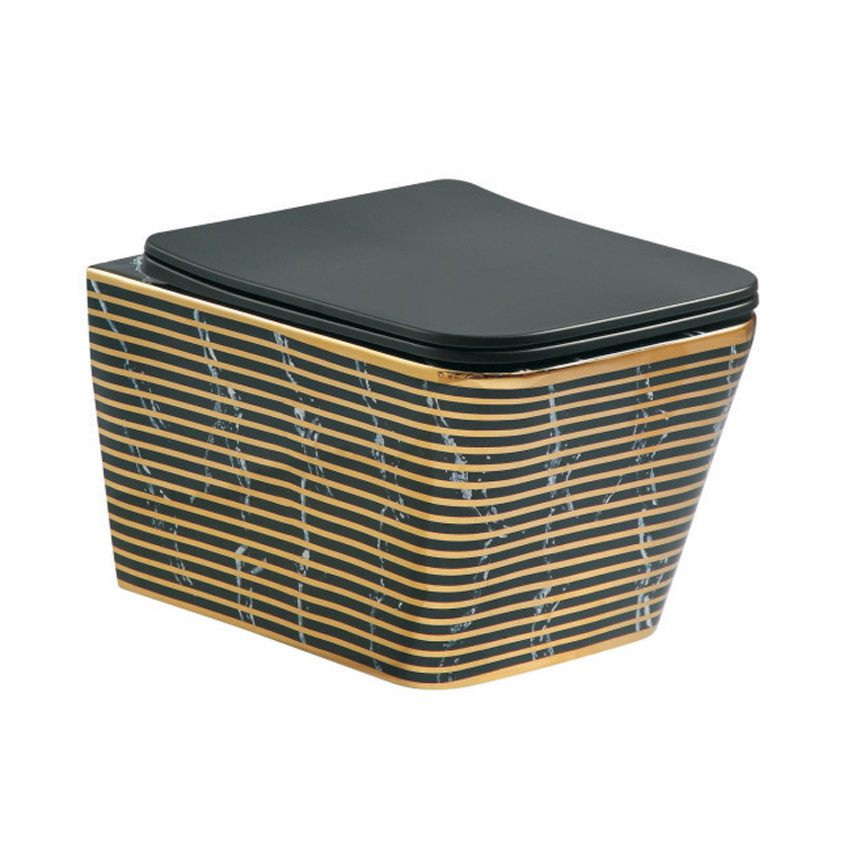
TURKEY ceramic wash basin
390*390*130
key word: Sanitary Ware
Category:
TURKEY ceramic wash basin
**TURKEY Ceramic Wash Basin**
Turkey is a country renowned for its rich cultural heritage, stunning landscapes, and exquisite craftsmanship. Among its many traditional crafts, ceramic pottery stands out as one of the most celebrated art forms. The ceramic wash basin, in particular, has gained significant popularity both locally and internationally. This article will explore the history, craftsmanship, design, and cultural significance of Turkish ceramic wash basins.
**Historical Background**
The art of ceramic making in Turkey dates back thousands of years, with roots in ancient Anatolian civilizations. The techniques and styles have evolved over the centuries, influenced by various cultures, including the Byzantines, Ottomans, and Persians. Turkish ceramics are characterized by their vibrant colors, intricate patterns, and detailed workmanship. The use of ceramics for functional items, such as wash basins, reflects the practical yet artistic nature of Turkish culture.
During the Ottoman Empire, ceramic production flourished, with the city of Iznik becoming a significant center for high-quality pottery. The artisans of Iznik developed a distinctive style that combined traditional motifs with innovative designs. This era marked the height of ceramic craftsmanship, with wash basins often adorned with intricate floral patterns, geometric shapes, and calligraphy.
**Craftsmanship**
Creating a Turkish ceramic wash basin is a labor-intensive process that requires a high level of skill and artistry. The journey begins with selecting the right clay, which is then molded into the desired shape. Artisans often use a potter's wheel to achieve symmetry and precision. After shaping, the basin is dried and fired in a kiln at high temperatures, ensuring durability and strength.
Once the basin is fired, it undergoes a glazing process. This step is crucial as it adds a glossy finish and enhances the colors of the ceramic. The glazes used in Turkish ceramics are often derived from natural minerals, resulting in vibrant hues of blue, green, red, and yellow. After glazing, the basin is fired again, solidifying the colors and patterns.
The final stage involves hand-painting intricate designs on the surface. Skilled artisans often use traditional motifs, such as tulips, carnations, and geometric patterns, which hold significant cultural meaning. Each wash basin is unique, reflecting the individual artist's style and creativity.
**Design and Aesthetics**
Turkish ceramic wash basins are not only functional items but also stunning pieces of art. Their designs often incorporate a blend of traditional and contemporary elements, making them versatile for various interior styles. The intricate patterns and vibrant colors can serve as a focal point in bathrooms, kitchens, or even as decorative pieces in living spaces.
One popular design is the "Çini" style, characterized by its blue and white patterns reminiscent of Chinese porcelain. This style has gained immense popularity in modern homes, where it adds a touch of elegance and sophistication. Other designs may feature more vibrant colors and complex patterns, appealing to those who prefer a bolder aesthetic.
Moreover, the size and shape of ceramic wash basins can vary significantly. From small, delicate basins ideal for compact spaces to larger, statement pieces that dominate the room, there is a ceramic wash basin to suit every need and preference. This variety allows homeowners to express their personal style while enjoying the functionality of the basin.
**Cultural Significance**
The ceramic wash basin holds a special place in Turkish culture. Historically, it has been associated with hospitality and cleanliness. In traditional Turkish homes, wash basins were often placed in entrance halls, symbolizing the importance of cleanliness before entering the living spaces. This practice reflects the cultural value placed on hygiene and the welcoming nature of Turkish hospitality.
In modern times, the ceramic wash basin continues to be a symbol of craftsmanship and artistic expression. Many artisans and workshops in Turkey have preserved traditional techniques while also adapting to contemporary trends. This blend of old and new ensures that Turkish ceramics remain relevant in today's market.
Furthermore, the global appreciation for Turkish ceramics has contributed to the revival of this ancient craft. Artisans are now able to reach international audiences, showcasing their work at exhibitions and fairs around the world. This exposure not only promotes Turkish culture but also supports local economies and preserves traditional craftsmanship.
**Conclusion**
The Turkish ceramic wash basin is more than just a functional item; it is a testament to the country's rich history, artistry, and cultural significance. From its ancient roots to modern interpretations, the craftsmanship involved in creating these wash basins reflects the dedication and skill of Turkish artisans. As they continue to adapt and innovate, Turkish ceramic wash basins remain a beautiful addition to any home, bridging the gap between tradition and contemporary design. Whether used for practical purposes or as decorative art, these basins embody the essence of Turkish culture and craftsmanship, making them a cherished piece for generations to come.

Previous page
Next page
Previous page
TUNISIA ceramic wash basin
Next page
Related products
Product consultation
CONTACT US
Address: No. 4 Factory Building, South Side of Qianqian Road, Yingfeng Village, Fengtang Town, Chao 'an District, Chaozhou City
Email:BANINGSU@outlook.com
Phone/Whatsapp/Wechat:+86-13413709494
Mobile Phone Client