

-
-
Products
 Our Service
-

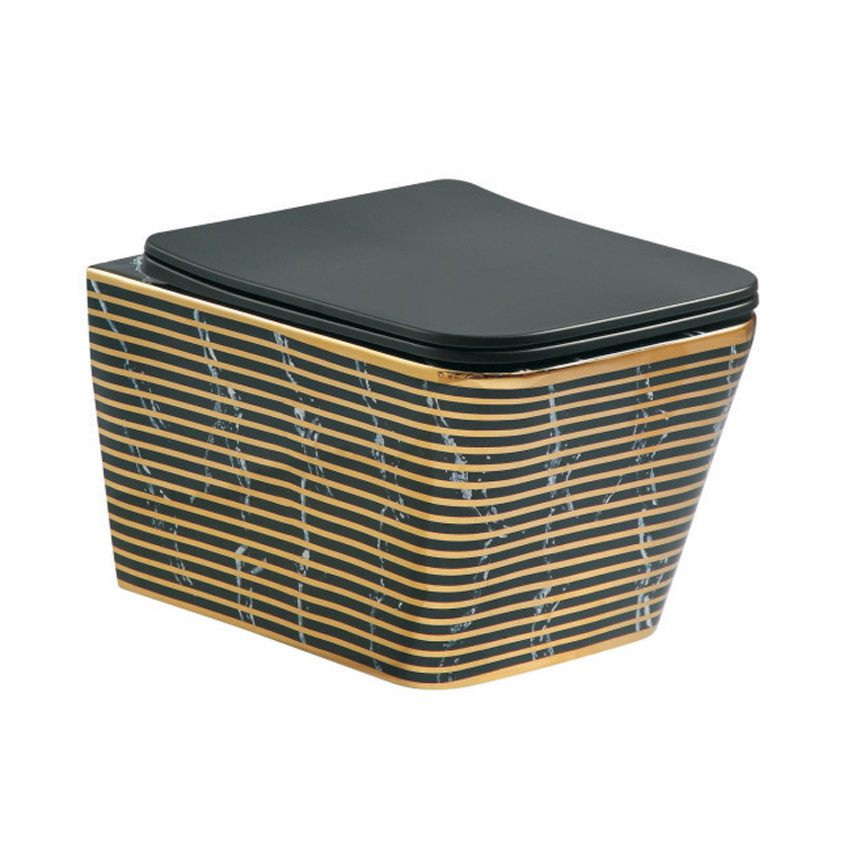
SYRIA ceramic wash basin
410*410*125
key word: Sanitary Ware
Category:
SYRIA ceramic wash basin
**SYRIA Ceramic Wash Basin**
The rich cultural heritage of Syria is reflected in its traditional craftsmanship, particularly in the art of ceramics. Among the many beautiful ceramic pieces that originate from this region, the ceramic wash basin stands out for its functionality and artistic value. This article explores the history, craftsmanship, design, and significance of the Syrian ceramic wash basin, highlighting its role in both everyday life and cultural expression.
**Historical Background**
The history of ceramic production in Syria dates back thousands of years, with evidence of pottery and ceramic artifacts found in archaeological sites throughout the country. Ancient civilizations, including the Phoenicians and the Romans, contributed to the development of ceramic techniques and styles in the region. Over time, the craft evolved, influenced by various cultures and artistic movements.
The ceramic wash basin, or "mashraqa," has been an essential item in Syrian households for centuries. Traditionally used for washing hands and face, these basins were often placed in courtyards or bathrooms, serving both practical and aesthetic purposes. As the country experienced political and social changes, the art of ceramic making adapted, yet the wash basin remained a symbol of everyday life and cultural identity.
**Craftsmanship and Techniques**
The creation of a Syrian ceramic wash basin involves a meticulous process that requires skill, patience, and an understanding of traditional techniques. Local artisans often source clay from the surrounding areas, which is then shaped by hand or using a potter's wheel. After forming the basin, the clay is left to dry before being fired in a kiln, a process that strengthens the material and prepares it for glazing.
The glazing process is where the true artistry of the ceramic wash basin comes to life. Syrian artisans are known for their vibrant and intricate designs, often inspired by nature, geometric patterns, and historical motifs. These designs are typically painted onto the basin using natural pigments, which are then sealed with a transparent glaze. This not only enhances the aesthetic appeal but also provides a protective layer that makes the basin functional and durable.
**Design Elements**
Syrian ceramic wash basins are characterized by their unique shapes, colors, and decorative elements. Most basins feature a wide, shallow bowl with a slightly raised edge, making them both practical and visually appealing. The colors used in the designs often reflect the rich natural landscape of Syria, with earthy tones of terracotta, deep blues reminiscent of the Mediterranean, and bright greens that evoke the lush countryside.
The decorative patterns found on these basins are diverse and can range from simple, minimalist designs to elaborate, intricate motifs. Common themes include floral patterns, which symbolize beauty and nature, and geometric shapes that reflect the mathematical precision of Islamic art. Each basin tells a story, often representing the personal touch of the artisan who created it.
**Cultural Significance**
The ceramic wash basin holds a special place in Syrian culture, serving as more than just a functional item. It is a reflection of the country’s rich history and artistic heritage. In many households, these basins are passed down through generations, becoming cherished family heirlooms. They are often associated with rituals of cleanliness and hospitality, reinforcing the importance of these values in Syrian society.
Moreover, the wash basin has become a symbol of resilience for the Syrian people. In the face of adversity and conflict, the preservation of traditional crafts like ceramics serves as a testament to the enduring spirit of the nation. Artisans continue to create these beautiful pieces, not only as a means of livelihood but also as a way to maintain their cultural identity.
**Contemporary Relevance**
In recent years, there has been a resurgence of interest in traditional Syrian ceramics, both within the country and internationally. Artisans are finding new ways to innovate while staying true to their roots, incorporating contemporary design elements into their work. The ceramic wash basin is being reimagined in various forms, appealing to a modern audience while still honoring its historical significance.
Art exhibitions, cultural festivals, and online platforms have provided opportunities for Syrian ceramicists to showcase their work to a broader audience. This has helped raise awareness of the rich tradition of ceramic making in Syria and has fostered a greater appreciation for the skill and artistry involved.
**Conclusion**
The Syrian ceramic wash basin is a remarkable fusion of utility and artistry, embodying the rich cultural heritage of the region. Through its intricate designs and traditional craftsmanship, it tells a story of history, resilience, and identity. As artisans continue to create and innovate, the wash basin remains a vital part of Syrian life, a symbol of beauty and a testament to the enduring spirit of its people. Whether displayed in a home or admired in an art gallery, the Syrian ceramic wash basin serves as a reminder of the importance of preserving cultural traditions in an ever-changing world.

Previous page
Next page
Previous page
SOMALIA ceramic wash basin
Next page
Related products
Product consultation
CONTACT US
Address: No. 4 Factory Building, South Side of Qianqian Road, Yingfeng Village, Fengtang Town, Chao 'an District, Chaozhou City
Email:BANINGSU@outlook.com
Phone/Whatsapp/Wechat:+86-13413709494
Mobile Phone Client