

-
-
Products
 Our Service
-

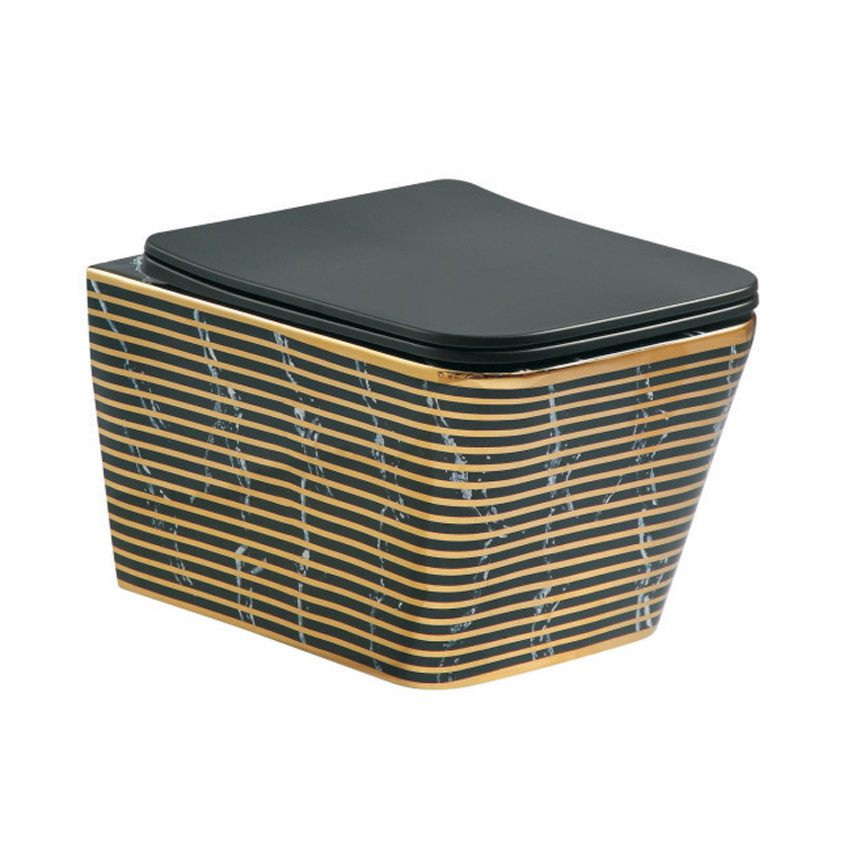
LAOS ceramic wash basin
370*370*130
key word: Sanitary Ware
Category:
LAOS ceramic wash basin
**LAOS Ceramic Wash Basin**
The art of ceramic making in Laos has a rich history that reflects the cultural heritage and craftsmanship of the region. Among the various ceramic products, the wash basin stands out as a functional and aesthetic piece that combines utility with artistry. This article explores the significance, design, manufacturing process, and the cultural context of LAOS ceramic wash basins.
**Historical Background**
Ceramics have been a part of Laotian culture for centuries. Traditionally, the craft was passed down through generations, with families often specializing in different types of pottery. The unique geography of Laos, with its rich clay deposits and abundant natural resources, has allowed artisans to create high-quality ceramic products. The wash basin, an essential item in every household, has evolved from simple utilitarian forms to beautifully crafted pieces that showcase the artistic talents of Laotian potters.
**Design and Aesthetics**
LAOS ceramic wash basins are known for their intricate designs and vibrant colors. The artisans draw inspiration from nature, traditional motifs, and local folklore. Common themes include floral patterns, geometric shapes, and depictions of local wildlife. The use of bright glazes not only enhances the visual appeal but also adds a layer of protection to the ceramic surface.
The shape of the wash basin varies, with some featuring a deep bowl design while others may have a more shallow and wide structure. This variety allows for personal preference and complements different styles of home décor. Whether used in a modern bathroom or a traditional Lao home, these wash basins serve as a stunning focal point.
**Manufacturing Process**
The process of creating LAOS ceramic wash basins involves several intricate steps. It begins with sourcing the right type of clay, which is essential for achieving the desired durability and finish. Artisans often prefer local clay that has been tested for its quality.
Once the clay is prepared, it is shaped into the desired form. This can be done using a potter's wheel or hand-building techniques. After shaping, the wash basin is left to dry for a specific period to ensure that it hardens adequately.
The next step involves firing the basin in a kiln. This process is crucial as it solidifies the ceramic and gives it strength. Depending on the desired finish, the basin may undergo multiple firings, especially if intricate glazing techniques are applied.
After the initial firing, artisans apply glazes that are often made from natural materials. These glazes are then fired again to achieve a smooth and glossy finish. The final product is not only functional but also a piece of art that reflects the skill and creativity of the artisan.
**Cultural Significance**
The ceramic wash basin holds cultural significance in Laos beyond its practical use. It is often associated with hospitality and cleanliness, virtues that are highly valued in Laotian society. Traditionally, guests are welcomed with clean facilities, and a beautifully crafted wash basin is a sign of respect and care for visitors.
Moreover, these wash basins are often used in rituals and ceremonies, symbolizing purification and renewal. In many households, the wash basin is a central piece in the home, reflecting the family’s values and artistic tastes.
**Market and Sustainability**
In recent years, there has been a growing interest in LAOS ceramic wash basins both locally and internationally. Tourists often seek out these unique pieces as souvenirs, while interior designers appreciate their aesthetic appeal for various projects. This demand has provided a sustainable income for many artisans and has helped preserve the traditional craft of ceramics in Laos.
However, with the rise of mass-produced goods, there is a challenge in maintaining the authenticity and quality of handcrafted ceramics. Many artisans are now focusing on sustainable practices, using eco-friendly materials and techniques that reduce waste. This not only helps the environment but also enhances the uniqueness of each piece, making them more desirable in a market that increasingly values sustainability.
**Conclusion**
LAOS ceramic wash basins are more than just functional items; they are a testament to the rich cultural heritage and craftsmanship of Laos. With their intricate designs, vibrant colors, and deep cultural significance, these wash basins serve as a bridge between tradition and modernity. As the world becomes more aware of the value of handcrafted goods, LAOS ceramic wash basins will continue to be cherished not only for their beauty and utility but also for the stories they tell about the artisans who create them. Investing in these pieces is not just about acquiring a product; it is about supporting a tradition that deserves to be preserved for future generations.

Previous page
Next page
Previous page
KAZAKHSTAN ceramic wash basin
Next page
Related products
Product consultation
CONTACT US
Address: No. 4 Factory Building, South Side of Qianqian Road, Yingfeng Village, Fengtang Town, Chao 'an District, Chaozhou City
Email:BANINGSU@outlook.com
Phone/Whatsapp/Wechat:+86-13413709494
Mobile Phone Client