

-
-
Products
 Our Service
-

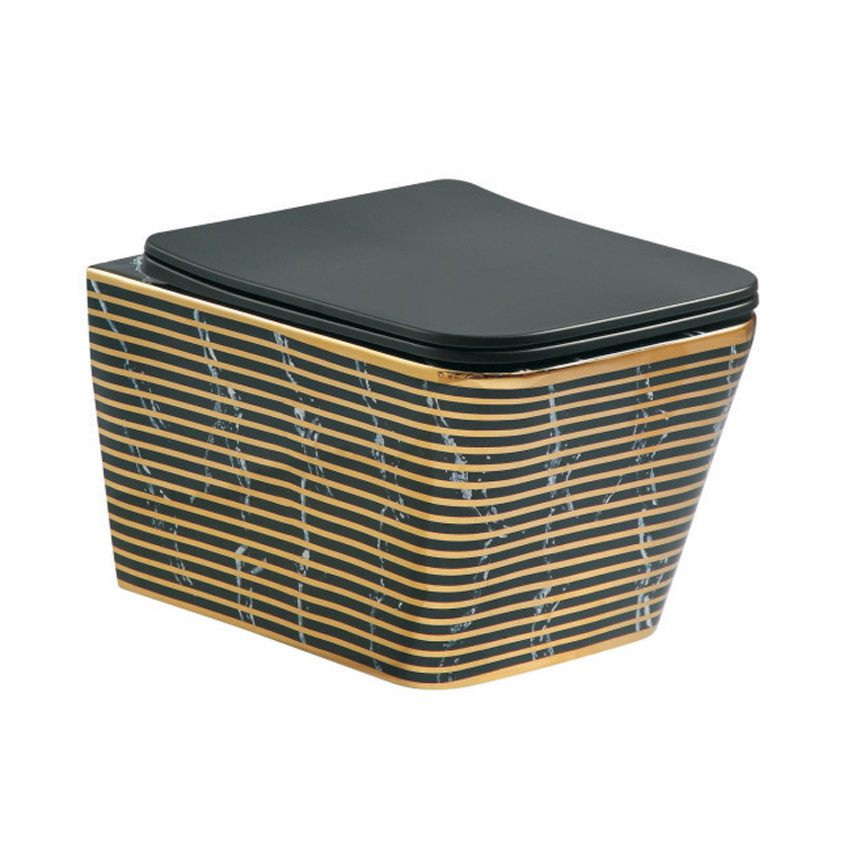
IRAQ ceramic wash basin
420*360*270
key word: Sanitary Ware
Category:
IRAQ ceramic wash basin
**IRAQ Ceramic Wash Basin**
The art of ceramics has a rich history in Iraq, a country that has long been recognized for its craftsmanship and cultural heritage. Among the many ceramic products that showcase this artistry, the ceramic wash basin stands out as a functional yet decorative item that embodies the essence of Iraqi culture. This article delves into the history, craftsmanship, cultural significance, and contemporary relevance of ceramic wash basins in Iraq.
**Historical Context**
The history of ceramics in Iraq dates back thousands of years, with the region being home to some of the world's earliest civilizations, including the Sumerians, Akkadians, Babylonians, and Assyrians. These ancient cultures made significant contributions to the development of pottery techniques and styles. The use of clay for practical purposes, such as storage and cooking, eventually evolved into more artistic expressions.
Ceramic wash basins, in particular, have been utilized in Iraq for centuries, serving not only as practical items for hygiene but also as symbols of social status and artistic expression. Traditionally, these basins were often ornately decorated, showcasing intricate designs and vibrant colors that reflected the local culture and craftsmanship.
**Craftsmanship and Design**
The craftsmanship involved in creating ceramic wash basins in Iraq is a meticulous process that requires skill, patience, and a deep understanding of materials. Artisans begin by selecting high-quality clay, which is then shaped into the desired form. The shaping process can be done by hand or with the use of a potter's wheel, depending on the desired design.
Once the basin is shaped, it undergoes a drying process before being fired in a kiln. This firing not only hardens the clay but also enhances its durability. After the initial firing, artisans apply glazes and decorative elements, often using traditional motifs that may include geometric patterns, floral designs, or calligraphy. The final step involves a second firing, which sets the glaze and completes the piece.
The colors used in ceramic wash basins can vary widely, with vibrant blues, greens, and yellows being particularly popular. These colors are not just aesthetically pleasing; they also hold cultural significance. For example, blue is often associated with protection and tranquility in Iraqi culture, making it a favored choice for wash basins.
**Cultural Significance**
In Iraq, ceramic wash basins are more than mere functional objects; they hold cultural significance and are often used in rituals and ceremonies. For instance, wash basins are commonly found in homes, mosques, and public places, symbolizing cleanliness and purity. In Islamic culture, cleanliness is of utmost importance, and the use of wash basins for ablution before prayers is a common practice.
Furthermore, these wash basins often serve as conversation pieces, reflecting the artistic heritage of the region. Families may take pride in displaying intricately designed basins in their homes, showcasing their appreciation for art and tradition. Additionally, during significant life events such as weddings or religious ceremonies, beautifully crafted wash basins may be used to serve guests or to perform ceremonial washing, adding an extra layer of meaning to these objects.
**Contemporary Relevance**
In recent years, there has been a renewed interest in traditional crafts, including ceramics, as a way to preserve cultural heritage. The rise of eco-consciousness and a desire for sustainable living have also contributed to the popularity of ceramic wash basins. Many contemporary artisans are now blending traditional techniques with modern designs, creating unique pieces that appeal to a broader audience.
The revival of the ceramic industry in Iraq has not only provided economic opportunities for artisans but has also fostered a sense of community. Workshops and cooperatives have been established, allowing artisans to share their skills and knowledge with younger generations. This transfer of knowledge is crucial for the preservation of traditional craftsmanship and ensures that the art of ceramic making continues to thrive.
Moreover, ceramic wash basins have found their way into modern interior design, with many homeowners seeking to incorporate artisanal elements into their spaces. The unique designs and vibrant colors of Iraqi ceramic wash basins add a touch of cultural richness to contemporary bathrooms and kitchens, bridging the gap between tradition and modernity.
**Conclusion**
The Iraqi ceramic wash basin is a beautiful representation of the country's rich cultural heritage, craftsmanship, and artistic expression. From its historical roots in ancient civilizations to its contemporary relevance in today's world, the wash basin serves as a reminder of the importance of cleanliness, tradition, and community. As artisans continue to create stunning pieces that reflect both the past and the present, the ceramic wash basin will undoubtedly remain an enduring symbol of Iraqi culture for generations to come.

Previous page
Next page
Previous page
INDIA ceramic wash basin
Next page
Related products
Product consultation
CONTACT US
Address: No. 4 Factory Building, South Side of Qianqian Road, Yingfeng Village, Fengtang Town, Chao 'an District, Chaozhou City
Email:BANINGSU@outlook.com
Phone/Whatsapp/Wechat:+86-13413709494
Mobile Phone Client