

-
-
Products
 Our Service
-

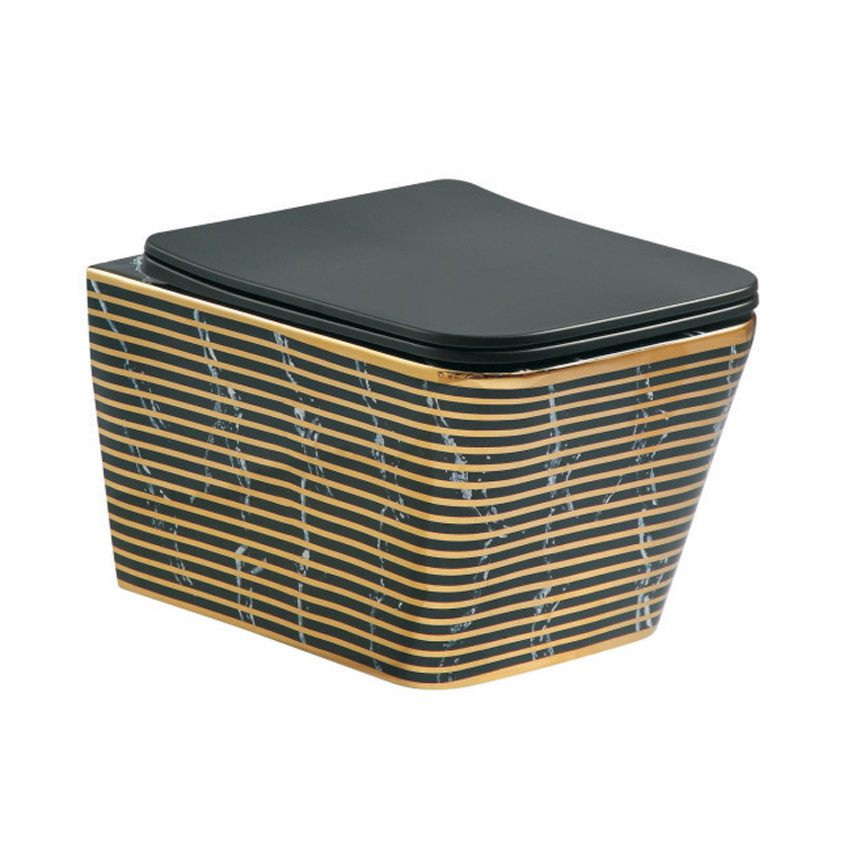
HONDURAS ceramic wash basin
700*420*155
key word: Sanitary Ware
Category:
HONDURAS ceramic wash basin
HONDURAS Ceramic Wash Basin
Honduras, a country known for its rich cultural heritage and vibrant artistry, has made a significant mark in the world of ceramics. Among the many products that showcase the craftsmanship of Honduran artisans, the ceramic wash basin stands out as a unique blend of functionality and aesthetic appeal. This article delves into the history, craftsmanship, cultural significance, and practical uses of the HONDURAS ceramic wash basin.
Historical Context
The art of pottery in Honduras dates back to ancient civilizations, where indigenous peoples utilized clay to create functional and ceremonial items. The techniques and styles have evolved over centuries, influenced by various cultures and the natural resources available in the region. The ceramic wash basin, in particular, has roots in both practical utility and artistic expression, serving as a reflection of the country's diverse heritage.
In the early days, wash basins were crafted primarily for everyday use, allowing families to maintain hygiene and cleanliness in their homes. However, as the art of pottery advanced, artisans began to incorporate intricate designs and vibrant colors, transforming the wash basin into a decorative piece that could enhance any bathroom or kitchen. Today, these ceramic wash basins are not only functional but also serve as a testament to the rich artistic traditions of Honduras.
Craftsmanship
The craftsmanship involved in creating a HONDURAS ceramic wash basin is a meticulous process that requires skill, creativity, and an understanding of materials. Artisans begin by sourcing high-quality clay, which is then shaped into the desired form. The shaping process can be done using traditional hand-building techniques or pottery wheels, depending on the artisan's preference.
Once the basin is shaped, it undergoes a drying process to remove excess moisture. After drying, the piece is fired in a kiln, a critical step that solidifies the clay and makes it durable. Following the initial firing, artisans apply glazes that not only enhance the appearance of the wash basin but also provide a protective layer. The glazing process is often where the true artistry comes to life, as artisans experiment with colors, patterns, and textures.
The final firing in the kiln brings out the vibrant hues and ensures the wash basin is functional and beautiful. Each piece is unique, reflecting the artisan's personal touch and the traditional techniques passed down through generations. The dedication and passion involved in this craftsmanship make HONDURAS ceramic wash basins a cherished item in many households.
Cultural Significance
The ceramic wash basin holds cultural significance in Honduras, symbolizing the connection between daily life and artistic expression. In many households, these wash basins are not just utilitarian objects; they are a part of the family's identity and heritage. The designs often incorporate traditional motifs, such as floral patterns or geometric shapes, which carry meanings and stories from the past.
Moreover, the production of ceramic wash basins supports local economies and helps preserve traditional crafts. By purchasing these items, consumers contribute to the sustainability of artisan communities and the continuation of cultural practices. The ceramic wash basin thus serves as a bridge between the past and present, allowing future generations to appreciate and engage with their heritage.
Practical Uses
Beyond their artistic value, HONDURAS ceramic wash basins are highly functional and versatile. They can be used in various settings, including bathrooms, kitchens, and outdoor spaces. Their durable nature makes them suitable for everyday use, while their unique designs can elevate the aesthetic of any space.
In bathrooms, these wash basins can serve as statement pieces, adding a touch of elegance and charm. They are available in various sizes and styles, making it easy to find one that fits the overall design of the bathroom. In kitchens, ceramic wash basins can be used for washing vegetables or dishes, combining practicality with style.
Furthermore, these wash basins can also be used in outdoor settings, such as patios or gardens. They can serve as decorative elements, holding plants or water features, thus enhancing the outdoor experience. The versatility of HONDURAS ceramic wash basins makes them an excellent choice for those looking to add a unique touch to their living spaces.
Conclusion
In conclusion, the HONDURAS ceramic wash basin is more than just a functional item; it is a representation of the rich cultural heritage and artistic craftsmanship of Honduras. From its historical roots to the meticulous processes involved in its creation, each wash basin tells a story of tradition and creativity. As a practical and beautiful addition to any home, these ceramic wash basins continue to captivate people around the world, making them a beloved choice for those who appreciate the artistry of handmade crafts.
By choosing a HONDURAS ceramic wash basin, consumers not only enhance their living spaces but also support local artisans and contribute to the preservation of cultural heritage. In a world increasingly driven by mass production, these unique pieces remind us of the beauty of craftsmanship and the importance of keeping traditional arts alive. Whether used for practical purposes or as decorative elements, HONDURAS ceramic wash basins hold a special place in the hearts of those who value artistry and culture.

Previous page
Next page
Previous page
GUATEMALA ceramic wash basin
Next page
Related products
Product consultation
CONTACT US
Address: No. 4 Factory Building, South Side of Qianqian Road, Yingfeng Village, Fengtang Town, Chao 'an District, Chaozhou City
Email:BANINGSU@outlook.com
Phone/Whatsapp/Wechat:+86-13413709494
Mobile Phone Client