

-
-
Products
 Our Service
-
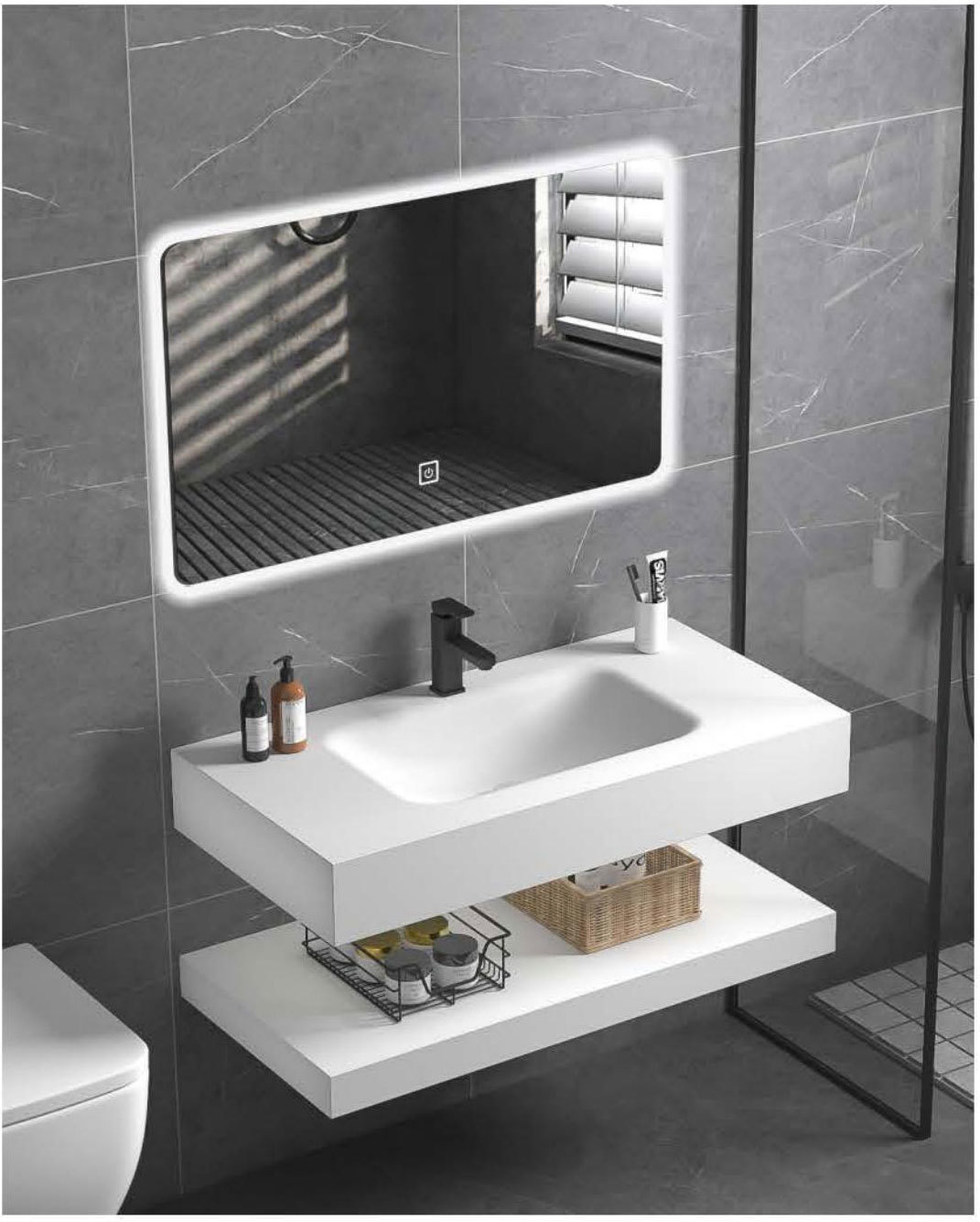
North Korea STYLE FULL PEDESTAL BASIN
Size:455*385*870 mm
key word: Sanitary Ware
Category:
North Korea STYLE FULL PEDESTAL BASIN
**North Korea STYLE FULL PEDESTAL BASIN**
North Korea, a nation often shrouded in mystery and intrigue, has a unique architectural style that reflects its cultural values, historical context, and socio-political climate. One of the notable elements in North Korean architecture is the full pedestal basin, a structure that not only serves practical purposes but also embodies the aesthetic and ideological principles of the country. This article delves into the significance, design, and cultural implications of the North Korean style full pedestal basin.
The full pedestal basin, commonly found in public spaces, residential areas, and government buildings across North Korea, serves multiple functions. Primarily, it is designed for practical use, providing a space for washing and sanitation. However, it also plays a crucial role in the aesthetic layout of the environment. In a country where cleanliness is often associated with discipline and order, the presence of these basins reinforces the importance of hygiene in everyday life.
The design of the North Korean full pedestal basin is characterized by its robust structure and intricate detailing. Unlike simpler basins found in other parts of the world, the North Korean version is often made from durable materials such as granite or marble, showcasing the country's commitment to quality and longevity. The basins typically feature a tall pedestal that elevates the washing area, symbolizing the elevation of moral and social standards. This design choice reflects the North Korean ideology that emphasizes the importance of public health and collective responsibility.
In addition to their functional and aesthetic qualities, full pedestal basins in North Korea are often adorned with symbols and motifs that reflect the nation's identity. Commonly, these basins are embellished with the national emblem, floral patterns, or images of revolutionary leaders. Such decorations serve to instill a sense of pride and patriotism among citizens while also reinforcing the omnipresence of the state in daily life. The integration of these symbols into public utilities like basins signifies the blending of practicality with ideology, a hallmark of North Korean architecture.
The cultural implications of the full pedestal basin extend beyond their physical presence. In a society where the government heavily influences daily life, the design and placement of such structures can be seen as a reflection of the regime's priorities. The prominence of these basins in public spaces suggests an emphasis on community and collective well-being. It indicates that the government is not only concerned with infrastructure but also with fostering a sense of unity among its citizens.
Moreover, the presence of full pedestal basins can be interpreted as a statement about the country's self-sufficiency and resilience. In the face of international sanctions and economic challenges, North Korea has often promoted the idea of self-reliance, or "Juche." The construction and maintenance of these basins can be viewed as a microcosm of this philosophy, illustrating the nation's commitment to providing for its citizens despite external pressures.
The aesthetic appeal of full pedestal basins also plays a role in enhancing the urban landscape. In many North Korean cities, the arrangement of public spaces, including parks and squares, is meticulously planned to create a harmonious environment. The inclusion of full pedestal basins in these designs contributes to a sense of order and beauty, aligning with the broader principles of North Korean urban planning. This focus on aesthetics is not merely superficial; it reflects a deeper desire to cultivate a collective identity among citizens, one that is rooted in the values of the state.
In conclusion, the North Korean style full pedestal basin is a multifaceted structure that serves both practical and ideological purposes. Its design, functionality, and cultural significance reflect the values and priorities of a nation that is often misunderstood. By examining these basins, we gain insight into the broader architectural and cultural landscape of North Korea, revealing a society that, despite its challenges, strives to uphold standards of hygiene, community, and national pride. As such, the full pedestal basin stands as a testament to the resilience and identity of the North Korean people, encapsulating their unique relationship with their environment and the state.
In an era of globalization and cultural exchange, the full pedestal basin also serves as a reminder of the diverse architectural expressions that exist around the world. Each structure, whether mundane or monumental, tells a story about the people who create and use it. In the case of North Korea, the full pedestal basin is not just a functional object; it is a reflection of a complex interplay between culture, ideology, and daily life, offering a glimpse into a society that continues to captivate the world's imagination.

Previous page
Next page
Previous page
Mongolia STYLE FULL PEDESTAL BASIN
Next page
Related products
Product consultation
CONTACT US
Address: No. 4 Factory Building, South Side of Qianqian Road, Yingfeng Village, Fengtang Town, Chao 'an District, Chaozhou City
Email:BANINGSU@outlook.com
Phone/Whatsapp/Wechat:+86-13413709494
Mobile Phone Client