

-
-
Products
 Our Service
-

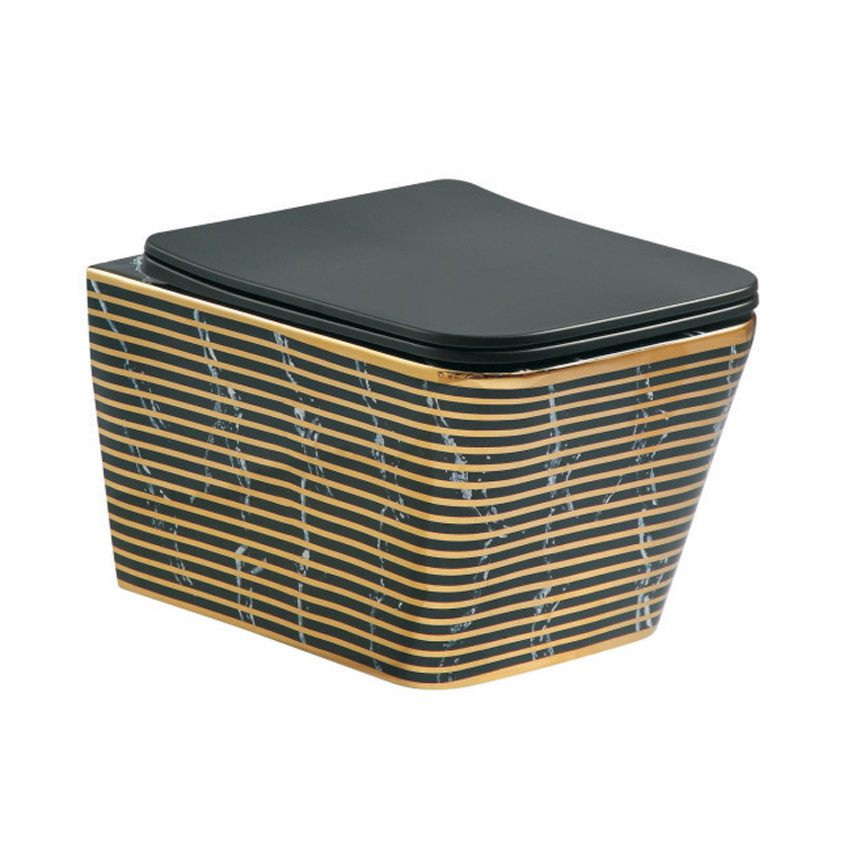
BURUNDI style glass basin
SN1235
key word: Sanitary Ware
Category:
BURUNDI style glass basin
**BURUNDI Style Glass Basin**
Burundi, a small landlocked country in East Africa, is known for its rich cultural heritage and craftsmanship. Among the many artisanal products that showcase the skills of Burundian artisans, the glass basin stands out as a symbol of both beauty and functionality. This article explores the unique characteristics, cultural significance, and the craftsmanship behind the BURUNDI style glass basin.
**The Art of Glassmaking in Burundi**
The tradition of glassmaking in Burundi has its roots in the country's vibrant artistic culture. Artisans have been practicing this craft for generations, passing down techniques and skills through families and communities. The glass basin is a perfect example of how art and utility can come together in a single object.
Burundian glass artisans typically use recycled glass, which is melted and shaped into various forms. This not only contributes to sustainability but also reflects the community's commitment to environmental conservation. The process of creating a glass basin involves several stages, including gathering raw materials, melting the glass, and then shaping it into the desired form. The artisans often employ traditional methods, relying on their hands and simple tools, which adds a personal touch to each piece.
**Design and Aesthetics**
The design of BURUNDI style glass basins is distinctive and often incorporates vibrant colors and intricate patterns. The use of color is particularly significant, as it often reflects the natural beauty of Burundi’s landscapes, from its lush green hills to the clear blue lakes.
Patterns may include traditional motifs that are representative of Burundian culture, such as geometric shapes or images inspired by nature. Each basin is unique, showcasing the artisan's creativity and skill. The artistic choices made during the glassblowing process not only enhance the visual appeal but also tell a story about the artisan's heritage and the environment from which they draw inspiration.
**Cultural Significance**
The glass basin holds a special place in Burundian culture. It is more than just a functional item; it is often used in ceremonies and celebrations. For instance, during weddings or communal gatherings, glass basins may be used to serve food or drinks, symbolizing hospitality and community.
Moreover, these basins can also be seen as a reflection of social status and artistic appreciation. Owning a beautifully crafted glass basin is a point of pride for many families, showcasing their connection to Burundian culture and the artisan community. In this way, the glass basin serves as a bridge between tradition and modernity, connecting past practices with contemporary lifestyles.
**Economic Impact**
The production of BURUNDI style glass basins plays a crucial role in the local economy. Artisans often work in cooperatives, pooling their resources and skills to create high-quality products that can be marketed both locally and internationally. By selling their work, artisans not only support their families but also contribute to the economic development of their communities.
Furthermore, the growing interest in artisanal products worldwide has opened up new markets for Burundian glass basins. Tourists and collectors are increasingly seeking out unique, handcrafted items that tell a story and support sustainable practices. This demand provides artisans with the opportunity to showcase their skills on a global stage, helping to elevate the status of Burundian craftsmanship.
**Challenges and Future Prospects**
Despite the beauty and significance of BURUNDI style glass basins, artisans face several challenges. Access to modern tools and technologies can be limited, making it difficult for them to compete with mass-produced items. Additionally, the economic instability in the region can impact their ability to source materials and reach markets.
However, there is hope for the future. Initiatives aimed at promoting artisanal crafts and providing training and resources to artisans are gaining traction. These efforts not only help preserve traditional skills but also empower artisans to innovate and expand their offerings. By embracing both tradition and modern techniques, Burundian artisans can continue to thrive and share their cultural heritage with the world.
**Conclusion**
The BURUNDI style glass basin is more than just a beautiful object; it is a testament to the rich cultural heritage and craftsmanship of Burundi. Through its unique designs, cultural significance, and economic impact, the glass basin embodies the spirit of the Burundian people. As artisans continue to create and innovate, the legacy of this remarkable craft will endure, inspiring future generations to appreciate and celebrate the artistry that defines their culture.
In a world that often prioritizes mass production over individuality, the BURUNDI style glass basin stands as a reminder of the beauty that can be found in handmade, artisanal creations. It is a symbol of pride, sustainability, and cultural identity, inviting us all to recognize and cherish the stories that each piece holds.

Previous page
Next page
Previous page
BAHREIN style glass basin
Next page
Related products
Product consultation
CONTACT US
Address: No. 4 Factory Building, South Side of Qianqian Road, Yingfeng Village, Fengtang Town, Chao 'an District, Chaozhou City
Email:BANINGSU@outlook.com
Phone/Whatsapp/Wechat:+86-13413709494
Mobile Phone Client