

-
-
Products
 Our Service
-

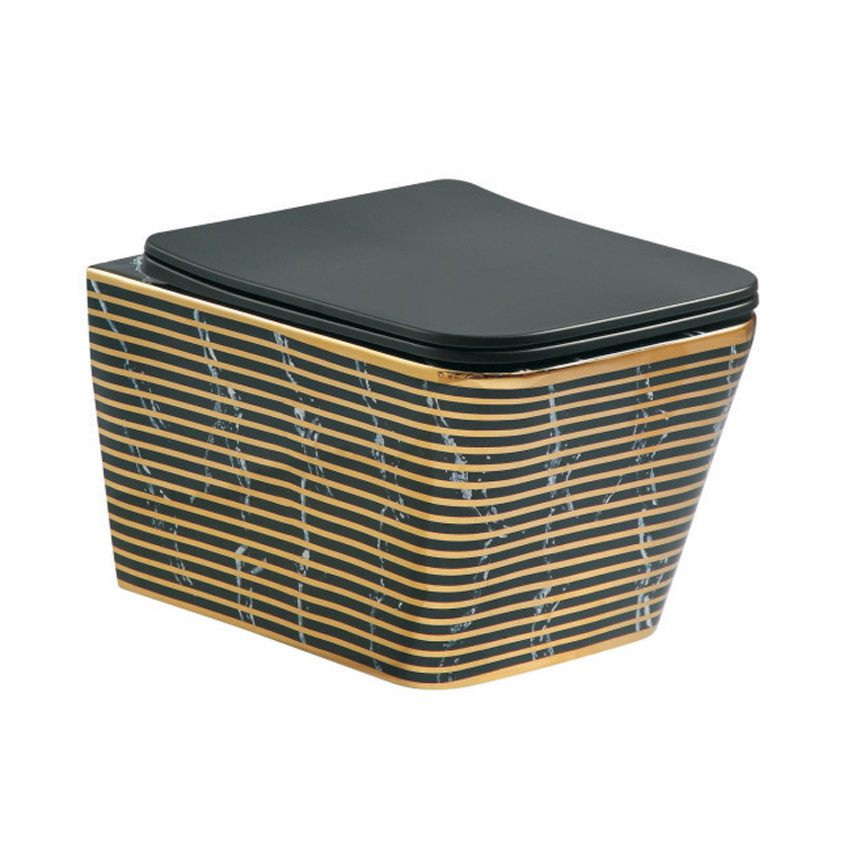
oriental-style ceramic basin
385*385*135
key word: Sanitary Ware
Category:
oriental-style ceramic basin
**Oriental-Style Ceramic Basin**
The allure of oriental-style ceramic basins lies not only in their aesthetic appeal but also in their rich cultural heritage. These exquisite pieces of art have transcended time and geography, serving as both functional objects and decorative masterpieces. In this article, we will explore the history, craftsmanship, design elements, and contemporary relevance of oriental-style ceramic basins.
Historically, ceramic basins have been used in various cultures for centuries. In East Asia, particularly in China and Japan, the tradition of ceramics dates back thousands of years. The earliest examples of pottery can be traced back to the Neolithic period, with functional items gradually evolving into decorative pieces. By the time of the Tang and Song dynasties, ceramics had reached a high level of sophistication. During these periods, artisans experimented with different glazes, firing techniques, and intricate designs, which laid the foundation for the exquisite oriental-style ceramic basins we admire today.
The craftsmanship involved in creating these basins is a meticulous process that requires both skill and patience. Artisans often begin with a lump of clay, which they shape into the desired form using a potter's wheel or hand-building techniques. Once the basic shape is formed, it is left to dry before being fired in a kiln. This first firing, known as bisque firing, hardens the clay and prepares it for glazing.
The glazing process is where the magic happens. Artisans apply various glazes to the surface of the basin, creating stunning visual effects. These glazes can range from vibrant colors to subtle, earthy tones, and may feature intricate patterns inspired by nature, mythology, or traditional motifs. After glazing, the basin undergoes a second firing, which vitrifies the glaze and gives it a glossy finish. The entire process is labor-intensive and requires a deep understanding of materials and techniques, passed down through generations.
Design elements play a crucial role in the appeal of oriental-style ceramic basins. Traditional designs often reflect the cultural values and beliefs of the region from which they originate. For example, Chinese ceramics frequently feature motifs such as dragons, phoenixes, and floral patterns, each symbolizing different aspects of life and prosperity. Japanese ceramics, on the other hand, may incorporate Zen-inspired designs that emphasize simplicity and harmony with nature.
One of the most captivating aspects of oriental-style ceramic basins is their versatility. While they are often associated with traditional settings, these basins can seamlessly integrate into modern interiors. Their unique shapes, colors, and patterns can serve as focal points in bathrooms, kitchens, or even outdoor spaces. Designers often use these basins to add a touch of elegance and cultural depth to contemporary spaces, bridging the gap between tradition and modernity.
In addition to their aesthetic value, oriental-style ceramic basins also carry practical benefits. Many of these basins are designed to be durable and functional, making them suitable for everyday use. They can be used for various purposes, from washing hands and face to serving as decorative washbasins in gardens or courtyards. Their non-porous surfaces make them easy to clean and maintain, ensuring that they remain beautiful for years to come.
The contemporary relevance of oriental-style ceramic basins extends beyond mere decoration. As people become more aware of the importance of sustainable and artisanal products, there is a growing appreciation for handcrafted items that tell a story. Each basin carries the unique touch of its creator, making it a one-of-a-kind piece that resonates with the values of authenticity and craftsmanship.
Moreover, the revival of interest in traditional crafts has led to a resurgence in the popularity of oriental ceramics. Many artisans are now experimenting with modern designs while honoring traditional techniques, resulting in innovative pieces that appeal to a global audience. This fusion of old and new not only preserves cultural heritage but also promotes cross-cultural exchange and appreciation.
In conclusion, oriental-style ceramic basins are more than just functional objects; they are works of art that embody a rich cultural legacy. From their historical roots to the intricate craftsmanship involved in their creation, these basins reflect the beauty and complexity of oriental design. As they continue to find a place in modern interiors, they serve as a reminder of the enduring value of tradition and artistry in our fast-paced world. Whether used in a practical context or displayed as decorative items, oriental-style ceramic basins undoubtedly enrich our lives with their elegance and cultural significance.

Previous page
Next page
Previous page
modern art washbasin
Next page
Related products
Product consultation
CONTACT US
Address: No. 4 Factory Building, South Side of Qianqian Road, Yingfeng Village, Fengtang Town, Chao 'an District, Chaozhou City
Email:BANINGSU@outlook.com
Phone/Whatsapp/Wechat:+86-13413709494
Mobile Phone Client