

-
-
Products
 Our Service
-

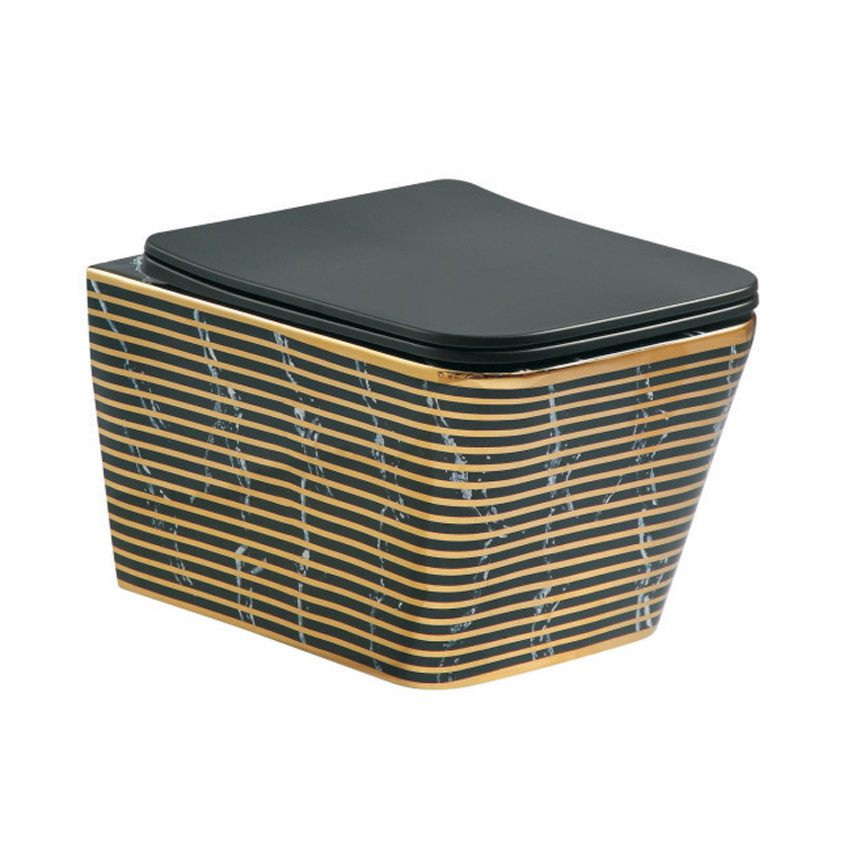
non-porous pottery basin
430*430*120
key word: Sanitary Ware
Category:
non-porous pottery basin
**Non-Porous Pottery Basin**
Pottery has been an essential part of human civilization for thousands of years. Among the various forms of pottery, non-porous pottery basins stand out due to their unique characteristics and practical applications. This article explores the properties, manufacturing processes, uses, and advantages of non-porous pottery basins.
The term "non-porous" refers to materials that do not have tiny holes or spaces that allow liquids or gases to pass through. Non-porous pottery basins are crafted using specific types of clay and glazing techniques that prevent absorption. Unlike traditional porous pottery, which can absorb water and other substances, non-porous pottery remains sealed, making it an ideal choice for various applications.
The manufacturing process of non-porous pottery basins involves several key steps. First, high-quality clay is selected. This clay is often a combination of stoneware or porcelain, both of which have low porosity. The clay is then shaped into the desired form, usually through wheel-throwing or hand-building techniques. Once shaped, the basin is allowed to dry to a leather-hard state before being fired in a kiln at high temperatures. This firing process vitrifies the clay, transforming it into a dense and non-porous material.
After the initial firing, the basin is typically coated with a glaze. The glaze serves multiple purposes: it adds color, enhances aesthetic appeal, and provides a non-porous surface that further prevents absorption. The glazed basin is then fired again, solidifying the glaze and creating a smooth, impermeable surface. The result is a durable and functional basin that can withstand various environmental conditions.
Non-porous pottery basins have a wide range of applications. In the kitchen, they are commonly used for mixing, serving, and storing food. Their non-porous nature makes them hygienic and easy to clean, as they do not retain food particles or odors. Additionally, non-porous basins are ideal for marinating meats or mixing ingredients, as they prevent the absorption of liquids that could compromise the flavor or quality of the food.
In addition to culinary uses, non-porous pottery basins are also employed in gardening and landscaping. They serve as excellent planters due to their ability to retain moisture while preventing root rot. The non-porous surface ensures that excess water drains properly, allowing plants to thrive without the risk of over-saturation. Furthermore, these basins can be used as decorative elements in outdoor spaces, adding a touch of elegance to gardens or patios.
The advantages of non-porous pottery basins extend beyond their practical applications. One of the most significant benefits is their durability. Unlike porous materials that can crack or break down over time, non-porous pottery is resistant to wear and tear. This longevity makes them a cost-effective choice for consumers, as they do not need to be replaced frequently.
Another advantage is the ease of maintenance. Non-porous surfaces do not harbor bacteria or mold, making them a safer option for food preparation and storage. Cleaning non-porous pottery basins is a simple task; they can be washed with soap and water, and many are even dishwasher-safe. This convenience appeals to busy households and professional kitchens alike.
Moreover, non-porous pottery basins can be aesthetically pleasing. With a variety of glazes available, these basins can be customized to fit any décor style, from rustic to modern. Their artistic designs can serve as conversation starters and focal points in any setting, whether in the kitchen, garden, or dining area.
Despite their numerous benefits, it is essential to consider some limitations of non-porous pottery basins. While they are generally durable, they can still be susceptible to chipping or cracking if dropped or mishandled. Care should be taken when using them in high-impact situations. Additionally, while the glazes used are typically food-safe, it is crucial to ensure that the products are labeled as such, especially when using them for food preparation.
In conclusion, non-porous pottery basins are versatile and practical items that have become integral to various aspects of daily life. Their unique properties, including durability, ease of maintenance, and aesthetic appeal, make them an excellent choice for both culinary and decorative purposes. As consumers increasingly seek functional yet beautiful items for their homes, non-porous pottery basins are likely to continue gaining popularity in the years to come. Whether for food preparation, gardening, or simply as a decorative piece, these basins embody the perfect blend of form and function, making them a timeless addition to any household.

Previous page
Next page
Previous page
easy-clean ceramic sink
Next page
Related products
Product consultation
CONTACT US
Address: No. 4 Factory Building, South Side of Qianqian Road, Yingfeng Village, Fengtang Town, Chao 'an District, Chaozhou City
Email:BANINGSU@outlook.com
Phone/Whatsapp/Wechat:+86-13413709494
Mobile Phone Client