

-
-
Products
 Our Service
-

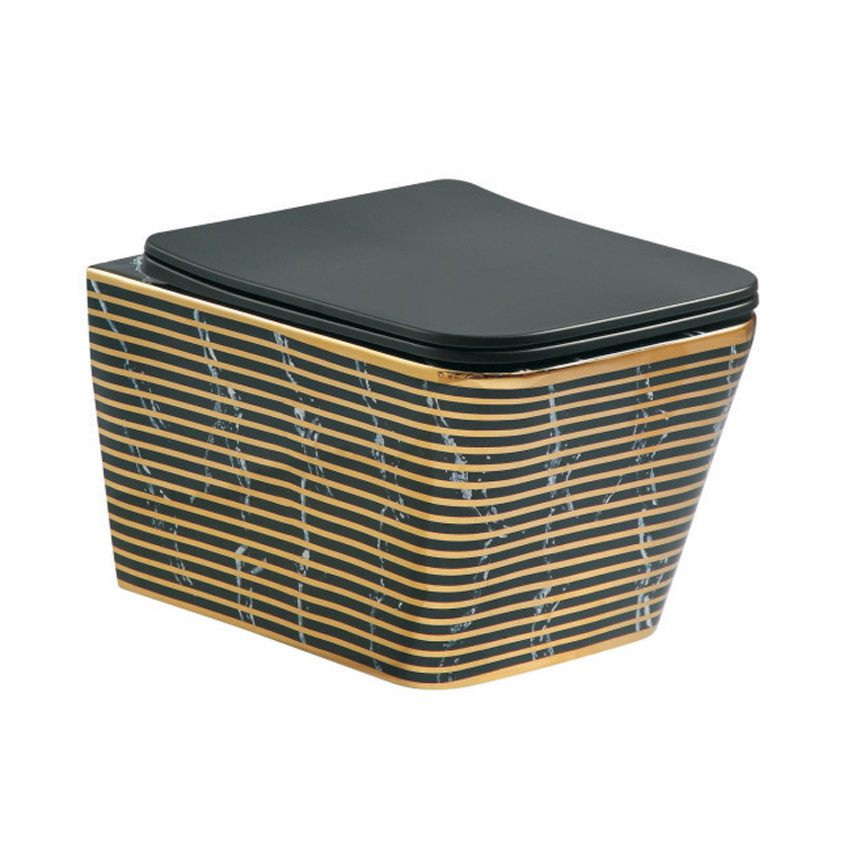
FDA-approved ceramic basin
610*375*115
key word: Sanitary Ware
Category:
FDA-approved ceramic basin
**FDA-Approved Ceramic Basin**
The landscape of medical devices is continually evolving, and one of the noteworthy advancements in recent years is the development of FDA-approved ceramic basins. These innovative products have garnered attention for their unique properties, which combine functionality with safety and hygiene. In this article, we will explore the significance of FDA approval, the benefits of ceramic materials in medical settings, and the various applications of ceramic basins in healthcare environments.
**Understanding FDA Approval**
The Food and Drug Administration (FDA) plays a crucial role in ensuring the safety and efficacy of medical devices in the United States. An FDA-approved product has undergone rigorous testing and evaluation to meet specific standards that protect patient health and safety. The approval process includes preclinical studies, clinical trials, and a thorough review of the manufacturing processes. When a ceramic basin receives FDA approval, it signifies that the product has met all necessary requirements to be safely used in medical settings.
The importance of FDA approval cannot be overstated. It provides healthcare providers and patients with confidence in the products they use. For medical facilities, using FDA-approved devices can significantly reduce the risk of complications associated with substandard products. In an environment where patient safety is paramount, the assurance that a ceramic basin is FDA-approved is invaluable.
**The Advantages of Ceramic Materials**
Ceramic materials have long been recognized for their durability and resistance to various forms of damage. Unlike plastic or metal, ceramics are not prone to rust, corrosion, or degradation over time. This inherent durability makes ceramic basins an excellent choice for medical environments, where equipment is subjected to frequent cleaning and sterilization.
Another significant advantage of ceramic basins is their non-porous nature. This characteristic prevents the absorption of liquids and contaminants, reducing the risk of cross-contamination between patients. In healthcare settings, where infection control is critical, the use of non-porous materials can contribute to a safer environment for both patients and healthcare workers.
Moreover, ceramic materials are typically more aesthetically pleasing than their plastic or metal counterparts. The smooth, glossy finish of ceramic basins can enhance the overall appearance of medical facilities, creating a more welcoming and professional atmosphere. This visual appeal can positively influence patients’ perceptions of the care they receive.
**Applications of FDA-Approved Ceramic Basins**
Ceramic basins are versatile tools that can be utilized in various medical applications. One of the most common uses is in surgical settings. During surgical procedures, ceramic basins can be used to hold sterile instruments, fluids, or tissues. Their durability and ease of sterilization make them an ideal choice for maintaining the sterile field required during surgeries.
In addition to surgical applications, ceramic basins are also valuable in outpatient care settings. For instance, in dental clinics, ceramic basins can be used for rinsing and holding dental materials. Their non-porous surface ensures that any contaminants are easily removed during the cleaning process, making them a safe choice for dental professionals.
Furthermore, ceramic basins can be found in laboratories, where they are used for mixing solutions or holding samples. The chemical resistance of ceramics allows them to withstand exposure to various substances without degrading, making them a reliable choice for laboratory environments.
**Environmental Considerations**
In today's world, sustainability and environmental impact are critical considerations for any industry, including healthcare. Ceramic materials are generally more environmentally friendly than plastic alternatives. Ceramics can be manufactured using natural materials, and they are often recyclable. By choosing FDA-approved ceramic basins, medical facilities can contribute to a more sustainable healthcare system.
Moreover, the longevity of ceramic products means that they do not need to be replaced as frequently as plastic items. This durability reduces waste and the environmental footprint associated with the production and disposal of medical supplies. In a time when the healthcare industry is increasingly focused on reducing its environmental impact, the adoption of ceramic basins is a step in the right direction.
**Conclusion**
FDA-approved ceramic basins represent a significant advancement in medical device technology. With their numerous advantages, including durability, non-porous surfaces, and aesthetic appeal, ceramic basins are becoming essential tools in various healthcare settings. Their applications in surgical, outpatient, and laboratory environments highlight their versatility and reliability.
Moreover, the environmental benefits of using ceramic materials align with the growing demand for sustainable practices in healthcare. As the industry continues to evolve, the adoption of innovative products like ceramic basins will play a crucial role in enhancing patient care and safety.
In conclusion, the integration of FDA-approved ceramic basins into medical facilities is a testament to the ongoing commitment to improving healthcare standards. By prioritizing safety, functionality, and sustainability, the healthcare industry can ensure that patients receive the highest quality of care. As we look to the future, the continued development and use of such innovative products will undoubtedly lead to improved outcomes and a more efficient healthcare system.

Previous page
Next page
Previous page
rectangular pottery sink
Next page
Related products
Product consultation
CONTACT US
Address: No. 4 Factory Building, South Side of Qianqian Road, Yingfeng Village, Fengtang Town, Chao 'an District, Chaozhou City
Email:BANINGSU@outlook.com
Phone/Whatsapp/Wechat:+86-13413709494
Mobile Phone Client