

-
-
Products
 Our Service
-

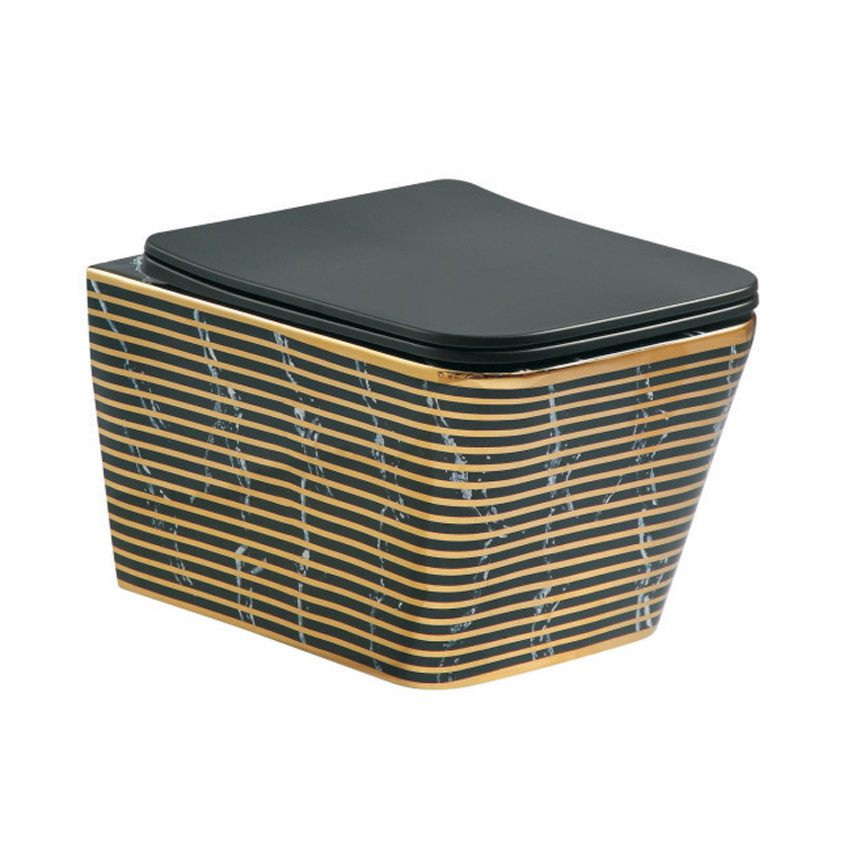
glazed ceramic washbowl
500*400*130
key word: Sanitary Ware
Category:
glazed ceramic washbowl
**Glazed Ceramic Washbowl**
In the world of home decor and functionality, few items can match the timeless elegance and practicality of a glazed ceramic washbowl. With their beautiful designs and versatile uses, these washbowls have become a staple in many households, transcending mere utility to become pieces of art that enhance the aesthetic appeal of any space. This article will explore the history, production, uses, and care of glazed ceramic washbowls, providing a comprehensive understanding of this exquisite item.
The history of ceramic washbowls can be traced back thousands of years. Ancient civilizations such as the Chinese, Egyptians, and Greeks created ceramic vessels for various purposes, including washing and storage. The advent of glazing techniques around 3000 BC revolutionized pottery, allowing for a more durable and aesthetically pleasing product. The introduction of colorful glazes not only enhanced the visual appeal of ceramics but also made them more resistant to water and stains. Over the centuries, glazed ceramic washbowls evolved in style and function, becoming essential fixtures in both domestic and public spaces.
The production of glazed ceramic washbowls involves a meticulous process that combines artistry and craftsmanship. First, high-quality clay is selected, often sourced from specific regions known for their superior materials. The clay is then shaped into the desired form, which can range from simple and rustic to intricate and ornate. Once the shaping is complete, the washbowls undergo a drying process to remove excess moisture.
After drying, the bowls are fired in a kiln at high temperatures, which hardens the clay and prepares it for glazing. The glazing process involves applying a liquid glass mixture to the surface of the bowl, which, when fired again, creates a smooth, shiny finish. This glazing not only adds color and design but also provides a protective layer that makes the washbowls easier to clean and more resistant to wear.
The versatility of glazed ceramic washbowls is one of their most appealing features. They can be used in various settings, from bathrooms to kitchens, and even as decorative pieces in living rooms or gardens. In bathrooms, they serve as stylish sinks that elevate the overall design while providing functionality. In kitchens, they can be used for food preparation or as a decorative fruit bowl. Additionally, many people use glazed washbowls for indoor plants, adding a touch of nature to their homes.
The aesthetic appeal of glazed ceramic washbowls cannot be overstated. Available in a wide range of colors, patterns, and finishes, they can complement any decor style. Whether one prefers the rustic charm of a hand-painted bowl or the sleek sophistication of a modern design, there is a glazed washbowl to suit every taste. These bowls often feature intricate designs that reflect cultural motifs or contemporary art, making them not just functional items but also conversation starters.
Caring for glazed ceramic washbowls is relatively straightforward, but it does require some attention to ensure their longevity. Regular cleaning with mild soap and water is recommended, as harsh chemicals can damage the glaze over time. It is essential to avoid abrasive materials that could scratch the surface. For stubborn stains, a gentle scrub with a soft sponge or cloth can be effective. Additionally, it is advisable to avoid extreme temperature changes, as this can cause cracking or chipping.
In recent years, the trend of using glazed ceramic washbowls has seen a resurgence, particularly in eco-conscious households. Many consumers are now seeking sustainable alternatives to plastic and metal products, and ceramic washbowls offer a biodegradable and non-toxic option. Their durability also means that they can last for many years, reducing the need for frequent replacements.
Moreover, the rise of DIY and upcycling movements has encouraged individuals to personalize their glazed ceramic washbowls. People are experimenting with painting, decoupage, and other techniques to create unique designs that reflect their personalities and styles. This trend not only enhances the individuality of each piece but also fosters a deeper connection between the owner and the item.
In conclusion, glazed ceramic washbowls are more than just functional items; they are a blend of history, art, and practicality. Their evolution from ancient pottery to modern decor pieces showcases the timeless appeal of ceramics. With their versatility, aesthetic charm, and eco-friendly nature, these washbowls continue to be a popular choice for homeowners and decorators alike. Whether used as a sink, a decorative bowl, or a planter, glazed ceramic washbowls add beauty and functionality to any space, making them a cherished addition to any home. As we embrace sustainable living and seek to create spaces that reflect our values and aesthetics, the glazed ceramic washbowl stands out as a perfect embodiment of these ideals.

Previous page
Next page
Previous page
handmade pottery sink
Next page
Related products
Product consultation
CONTACT US
Address: No. 4 Factory Building, South Side of Qianqian Road, Yingfeng Village, Fengtang Town, Chao 'an District, Chaozhou City
Email:BANINGSU@outlook.com
Phone/Whatsapp/Wechat:+86-13413709494
Mobile Phone Client