

-
-
Products
 Our Service
-
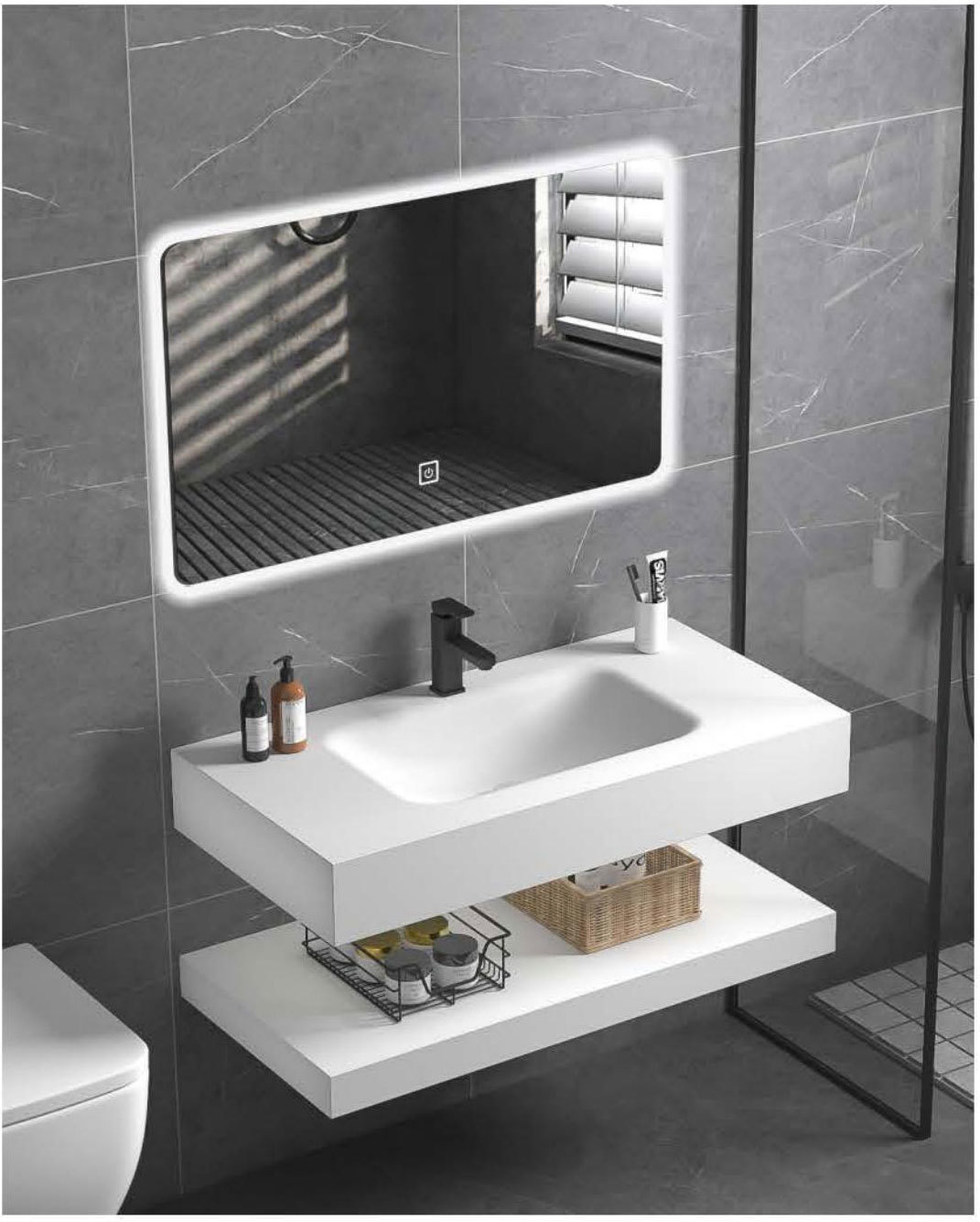
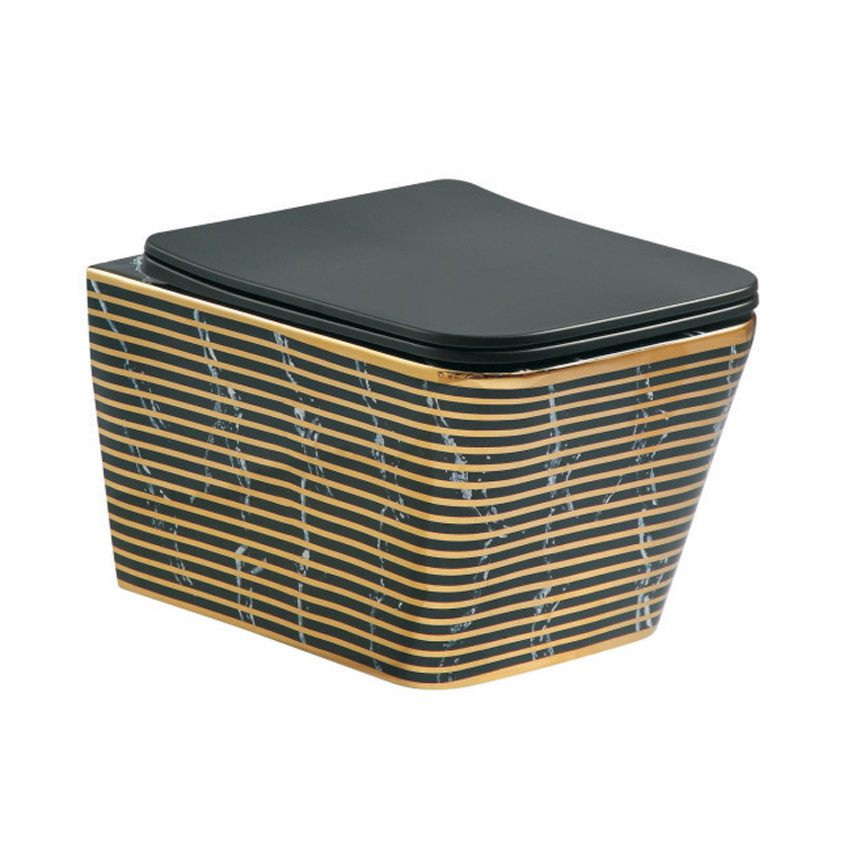
geometric art basin
455*320*135
key word: Sanitary Ware
Wall hung basin
Category:
geometric art basin
**Geometric Art Basin**
Geometric art has long captivated artists and audiences alike, with its intricate patterns, symmetrical designs, and vibrant colors. One of the most fascinating applications of geometric art can be found in the design of basins. These artistic creations serve both functional and aesthetic purposes, transforming ordinary objects into extraordinary pieces of art. In this article, we will explore the concept of geometric art basins, their historical significance, design elements, and contemporary applications.
The origins of geometric art can be traced back to ancient civilizations. Cultures such as the Egyptians, Greeks, and Persians employed geometric patterns in their architecture, textiles, and pottery. These designs often held symbolic meanings, reflecting the cultural values and beliefs of the time. For instance, the use of repeating patterns was thought to evoke a sense of infinity and eternity. As societies evolved, so too did the use of geometric art, eventually influencing various art movements throughout history.
In the realm of basin design, geometric art has played a crucial role. Traditionally, basins were utilitarian objects used for washing, cooking, or ceremonial purposes. However, as artisans began to experiment with form and decoration, basins transformed into decorative items that showcased the beauty of geometric patterns. These patterns can range from simple shapes, such as circles and squares, to more complex tessellations and fractals. The result is a stunning visual experience that elevates the basin from a mere functional item to a work of art.
One of the key elements of geometric art basins is symmetry. Symmetrical designs create a sense of balance and harmony, drawing the viewer's eye and inviting them to appreciate the intricate details. This balance can be achieved through various techniques, such as radial symmetry, where patterns radiate outward from a central point, or bilateral symmetry, where designs mirror each other across a central axis. The careful arrangement of shapes and colors enhances the overall aesthetic appeal, making each basin a unique masterpiece.
Color also plays a vital role in the design of geometric art basins. Artists often choose a color palette that complements the geometric patterns, creating a cohesive visual experience. Bold, contrasting colors can evoke a sense of energy and vibrancy, while softer hues can impart a feeling of tranquility and calmness. The interplay of color and shape is essential in capturing the viewer's attention and conveying the intended mood of the artwork.
In contemporary times, the use of geometric art in basin design has seen a resurgence, driven by advancements in technology and a growing appreciation for unique, handcrafted items. Artists and designers are now able to experiment with new materials, such as resin, glass, and ceramics, allowing for greater creativity and innovation. This has led to the emergence of a wide variety of geometric art basins, each with its own distinct style and personality.
Sustainability is also becoming a significant factor in the design of geometric art basins. Many contemporary artists are prioritizing eco-friendly materials and production methods, aiming to reduce their environmental impact while still creating stunning works of art. This shift toward sustainability not only benefits the planet but also resonates with consumers who are increasingly seeking out ethically produced items.
Geometric art basins can be found in various settings, from private homes to public spaces. In residential environments, these artistic basins can serve as focal points in bathrooms, kitchens, or gardens, adding a touch of elegance and sophistication. In commercial spaces, such as hotels or restaurants, geometric art basins can enhance the overall ambiance, creating a memorable experience for guests. The versatility of these designs makes them suitable for a wide range of applications, allowing for endless possibilities in interior design.
Moreover, geometric art basins have become popular among collectors and art enthusiasts. As the appreciation for unique, handcrafted items grows, many individuals are seeking out these one-of-a-kind pieces to add to their collections. This trend has led to a flourishing market for geometric art basins, with artists and designers showcasing their work at galleries, art fairs, and online platforms. Collectors are drawn to the intricate designs, rich colors, and the stories behind each piece, making geometric art basins a sought-after addition to any collection.
In conclusion, geometric art basins represent a beautiful fusion of function and aesthetics. Their historical significance, intricate designs, and contemporary applications showcase the enduring appeal of geometric art. As artists continue to push the boundaries of creativity and sustainability, the world of geometric art basins is likely to evolve even further. Whether as functional objects or decorative masterpieces, these basins serve as a testament to the power of art to transform everyday items into extraordinary works of beauty. The journey of geometric art basins is one of innovation, tradition, and artistic expression, inviting us to appreciate the artistry that surrounds us in our daily lives.

Previous page
Next page
Previous page
oriental ceramic basin
Next page
Related products
Product consultation
CONTACT US
Address: No. 4 Factory Building, South Side of Qianqian Road, Yingfeng Village, Fengtang Town, Chao 'an District, Chaozhou City
Email:BANINGSU@outlook.com
Phone/Whatsapp/Wechat:+86-13413709494
Mobile Phone Client