

-
-
Products
 Our Service
 -

The Essential Guide to Ceramic WC: Elevating Bathroom Design
Release time:
2026-07-29
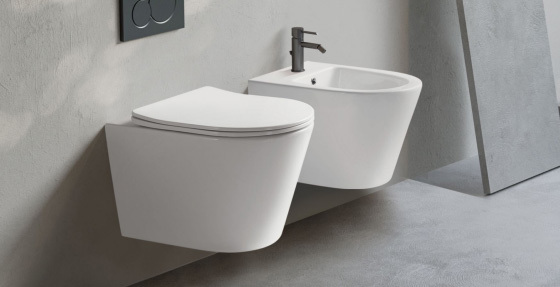
When it comes to bathroom design, the choice of fixtures can significantly influence both functionality and aesthetics. One popular option is the ceramic WC (water closet), revered for its durability, hygiene, and versatile design. This article will delve into what makes ceramic WC a favored choice in the realm of building and decorative materials, particularly within the brick and tile sectors. C

Ceramic WCs are made from clay that is fired at high temperatures, resulting in a dense, hard material that is resistant to staining and easy to clean. This makes ceramic an ideal choice for sanitary ware, as it can withstand daily use and maintain a pristine appearance over time. One of the primary advantages of a ceramic WC is its non-porous surface, which prevents the absorption of moisture and bacteria, thereby promoting a healthier bathroom environment.
In terms of design, ceramic WCs come in an array of styles, colors, and shapes, allowing homeowners and designers to customize their bathrooms to reflect personal tastes. From sleek modern designs to more traditional forms, the versatility of ceramic ensures that there is a WC to fit every aesthetic. Moreover, many manufacturers offer eco-friendly options within their ceramic WC range, incorporating water-saving technology to reduce overall consumption without sacrificing performance.
When selecting a ceramic WC, it is essential to consider several factors. Firstly, the size and layout of your bathroom play a crucial role in determining the type of WC that will fit best. Compact models are available for smaller spaces, while more spacious bathrooms can accommodate larger, more elaborate designs. Secondly, consider the flush mechanism; modern ceramic WCs often feature dual-flush systems that allow users to choose between a full or half flush, promoting water conservation.
Installation and maintenance are other critical aspects to keep in mind. While most ceramic WCs are straightforward to install, it is advisable to engage a professional plumber to ensure correct fitting and plumbing. Additionally, regular maintenance, such as cleaning with non-abrasive agents, will prolong the lifespan of the ceramic and keep it looking new.
Finally, the sustainability of ceramic WCs cannot be overlooked. Many manufacturers now employ environmentally responsible practices in their production processes, using recycled materials and reducing waste to create more eco-friendly products. This commitment to sustainability aligns well with the growing demand for green building materials, making ceramic WCs an attractive option for environmentally conscious consumers.
In summary, ceramic WCs offer an excellent blend of durability, design flexibility, and hygiene, making them a preferred choice in modern bathroom design. By considering the various styles, sizes, and sustainable options available, homeowners can select a ceramic WC that fits both their functional needs and aesthetic preferences, enhancing the overall ambiance of their bathroom space.
Related news
CONTACT US
Address: No. 4 Factory Building, South Side of Qianqian Road, Yingfeng Village, Fengtang Town, Chao 'an District, Chaozhou City
Email:BANINGSU@outlook.com
Phone/Whatsapp/Wechat:+86-13413709494
Mobile Phone Client