

-
-
Products
 Our Service
 -
The Environmental Impact of Tornado Toilets vs. Traditional Toilets: A Comprehensive Analysis
Release time:
2026-07-08
The Environmental Impact of Tornado Toilets vs. Traditional Toilets In an age of increasing environmental awareness, the choice of toilet design plays a crucial role in our quest for sustainability. This article dives deep into the environmental impact of Tornado toilets versus traditional toilets, examining everything from water usage to the efficiency of waste management. By the end of this expl

The Environmental Impact of Tornado Toilets vs. Traditional Toilets
In an age of increasing environmental awareness, the choice of toilet design plays a crucial role in our quest for sustainability. This article dives deep into the environmental impact of Tornado toilets versus traditional toilets, examining everything from water usage to the efficiency of waste management. By the end of this exploration, you’ll have a clear understanding of which type of toilet is more environmentally friendly and why it matters.
Table of Contents
- 1. Introduction to Toilet Technologies
- 2. Understanding Tornado Toilets
- 3. Traditional Toilets: A Closer Look
- 4. Water Consumption Analysis
- 5. Energy Efficiency Comparison
- 6. Waste Management Practices
- 7. Environmental Sustainability Initiatives
- 8. Choosing the Right Toilet for the Environment
- 9. FAQs
- 10. Conclusion
1. Introduction to Toilet Technologies
Toilets are an essential component of modern sanitation systems. Their design and functionality have evolved over the years, leading to innovations like the Tornado toilet. This type of toilet utilizes a unique flushing system that promises improved efficiency and less environmental impact. In contrast, traditional toilets have been around for centuries, delivering a reliable yet conventional flushing mechanism. Understanding the differences between these two technologies is essential for making informed decisions about our water consumption and environmental footprint.
2. Understanding Tornado Toilets
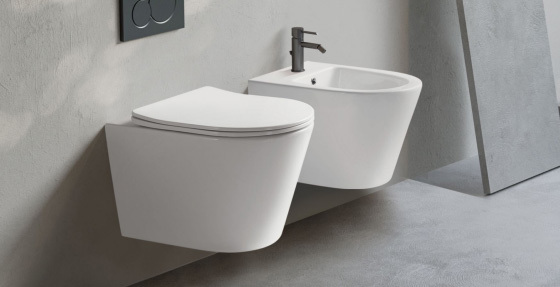
Tornado toilets are designed with advanced flushing systems that create a vortex effect, ensuring thorough waste removal while using less water. These toilets typically have a dual-flush mechanism, allowing users to select between a full flush and a reduced flush. This innovative design significantly reduces water consumption, making it a popular choice for eco-conscious consumers.
Design Features of Tornado Toilets
The design of Tornado toilets incorporates several key features:
- Vortex Flushing System: This system enhances the efficiency of waste removal, requiring less water per flush.
- Dual Flush Options: Users can choose between different flush volumes, optimizing water usage.
- High-Quality Materials: Tornado toilets are often made from durable materials that reduce the need for replacements and waste.
3. Traditional Toilets: A Closer Look
Traditional toilets are typically gravity-fed, relying on the weight of water to flush waste away. While effective, these toilets often use more water per flush compared to their Tornado counterparts. The standard flush volume for traditional toilets can reach up to 1.6 gallons per flush (GPF), which contributes to higher water consumption over time.
Disadvantages of Traditional Toilets
Some drawbacks of traditional toilets include:
- Higher Water Usage: Many traditional models consume more water than necessary, which can strain local water supplies.
- Less Efficient Waste Removal: Gravity-fed systems may require multiple flushes for complete waste removal, further increasing water use.
- Limited Innovations: Traditional toilets lack the advanced features of newer models, making them less appealing to environmentally conscious consumers.
4. Water Consumption Analysis
Water is a precious resource, and understanding how toilets impact water consumption is vital. Tornado toilets significantly reduce water usage compared to traditional models. While traditional toilets use up to 1.6 gallons per flush, Tornado toilets can operate effectively with only 1.28 gallons or less.
Statistics on Water Usage
Consider the following statistics:
- A household with four members using a traditional toilet can waste approximately 10,000 gallons of water annually.
- In contrast, a Tornado toilet can reduce this figure to about 7,000 gallons, showcasing a potential savings of 3,000 gallons per year.
5. Energy Efficiency Comparison
Besides water conservation, the energy efficiency of toilets also plays a role in their environmental impact. Tornado toilets often require less energy for production and operation due to their efficient design. Additionally, the reduction in water usage indirectly lowers the energy required for water heating and treatment.
Impact on Energy Consumption
Choosing a Tornado toilet can lead to decreased energy consumption in the following ways:
- Lower Energy for Water Heating: Less water used means reduced energy needed to heat water for flushing.
- Reduced Strain on Water Treatment Facilities: Efficient waste management leads to less energy consumption in sewage treatment processes.
6. Waste Management Practices
The effectiveness of a toilet in waste management is crucial for both sanitation and environmental impact. Tornado toilets excel in this aspect, as their vortex flushing system ensures that waste is removed efficiently, minimizing the chances of clogs and backups.
Benefits of Efficient Waste Management
Efficient waste management is essential for several reasons:
- Health and Sanitation: Proper waste removal reduces the risks of diseases linked to inadequate sanitation.
- Environmental Protection: Efficient systems minimize pollution and the need for extensive sewage treatment.
7. Environmental Sustainability Initiatives
In the quest for sustainability, many manufacturers are focusing on eco-friendly practices. Tornado toilet manufacturers often employ practices such as:
- Recycled Materials: Using recycled content in production lowers the demand for virgin materials.
- Sustainable Manufacturing Processes: Reducing waste in production and utilizing renewable energy sources contribute to a lower environmental footprint.
8. Choosing the Right Toilet for the Environment
When selecting a toilet, it’s essential to consider both its environmental impact and efficiency. Tornado toilets provide a compelling alternative to traditional models. Factors to consider when choosing include:
- Water Efficiency Ratings: Look for toilets with low GPF ratings.
- Durability: Consider models made from high-quality materials that last longer.
- Brand Reputation: Research brands committed to environmental sustainability.
9. FAQs
What is a Tornado toilet?
A Tornado toilet features a vortex flushing system designed for more efficient waste removal using less water compared to traditional toilets.
How much water does a Tornado toilet use?
Tornado toilets typically use 1.28 gallons or less per flush, making them more water-efficient than traditional toilets.
Are Tornado toilets more expensive than traditional toilets?
While the initial cost of Tornado toilets can be higher, their long-term savings on water bills often offset this initial investment.
Do Tornado toilets require more maintenance?
No, Tornado toilets have been designed to reduce clogs and maintenance issues due to their efficient flushing systems.
Can I install a Tornado toilet myself?
Many Tornado toilets come with straightforward installation instructions. However, professional installation is recommended for best results.
10. Conclusion
The environmental impact of Tornado toilets compared to traditional toilets is significant. Tornado toilets not only conserve water but also provide improved waste management and energy efficiency. As we face increasing environmental challenges, making informed choices about our sanitation systems can contribute to a more sustainable future. By choosing a Tornado toilet, consumers can play a vital role in conserving vital resources and promoting eco-friendly practices. Ultimately, every small change counts in the fight for a healthier planet.
Related news
CONTACT US
Address: No. 4 Factory Building, South Side of Qianqian Road, Yingfeng Village, Fengtang Town, Chao 'an District, Chaozhou City
Email:BANINGSU@outlook.com
Phone/Whatsapp/Wechat:+86-13413709494
Mobile Phone Client