

-
-
Products
 Our Service
 -

Unveiling the Benefits of Ceramic WCs in Modern Construction
Release time:
2026-05-10
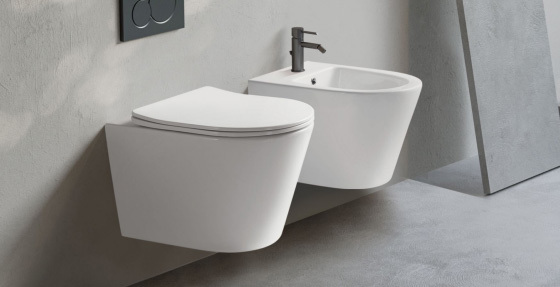
In the realm of construction and decorative materials, ceramic WC (water closet) units have emerged as a popular choice among architects, designers, and contractors. Their functionality, aesthetic appeal, and longevity make them a staple in modern bathroom design. This article delves into the various facets of ceramic WCs, offering insights that can assist professionals in making informed decision

One of the primary benefits of ceramic WCs is their durability. Made from high-quality clay, these fixtures are fired at high temperatures to create a robust and resilient product. This process results in a non-porous surface that resists staining and is easy to clean, making it an ideal choice for high-traffic restrooms. The longevity of ceramic materials also means that they can withstand the rigors of daily use without significant wear and tear, reducing the need for frequent replacements.
Design versatility is another significant factor that makes ceramic WCs a favorable option. Available in a myriad of styles, colors, and finishes, ceramic WCs can complement a wide range of interior aesthetics, from minimalist to traditional designs. Whether opting for a sleek, modern look or a more ornate, classic appearance, ceramic WCs can be tailored to fit the vision of any space. Additionally, advancements in manufacturing technologies have enabled the production of intricate designs that add a touch of elegance to restroom facilities.
Sustainability is increasingly becoming a critical consideration in the construction industry, and ceramic WCs contribute positively to this movement. Many manufacturers prioritize eco-friendly practices by utilizing natural materials and reducing waste during production. Furthermore, ceramic WCs often feature water-saving technologies, which can significantly lower water consumption in both residential and commercial settings. These innovations not only benefit the environment but also help property owners reduce operational costs.
When selecting ceramic WCs for a project, it’s essential to consider several factors, including the installation process, compatibility with plumbing systems, and maintenance requirements. Understanding these aspects can ensure a successful integration into bathroom designs. Furthermore, professionals should be aware of the various specifications and standards that ceramic WCs must meet, particularly in terms of hygiene and safety regulations.
In conclusion, ceramic WCs stand out as a practical and aesthetically pleasing choice in the construction and decoration materials sector. Their durability, design flexibility, and contribution to sustainability make them an excellent investment for any project. By staying informed about the latest trends and technologies related to ceramic WCs, professionals can enhance their designs and provide clients with exceptional bathroom solutions.
Related news
CONTACT US
Address: No. 4 Factory Building, South Side of Qianqian Road, Yingfeng Village, Fengtang Town, Chao 'an District, Chaozhou City
Email:BANINGSU@outlook.com
Phone/Whatsapp/Wechat:+86-13413709494
Mobile Phone Client