

-
-
Products
 Our Service
 -

Understanding Siphonic Toilets: A Comprehensive Guide for Professionals
Release time:
2026-04-22
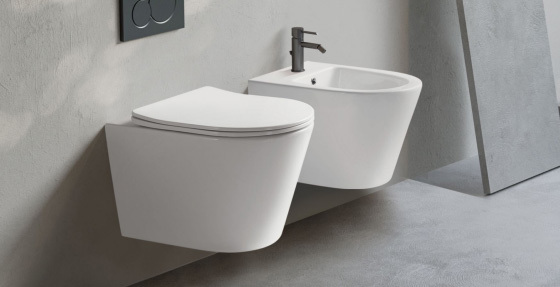
Siphonic toilets are a unique type of toilet that utilizes a siphoning action to efficiently evacuate waste. This sophisticated design is gaining popularity in various residential and commercial settings due to its effective flushing performance and water conservation capabilities. Unlike traditional gravity-fed toilets, siphonic toilets rely on the principle of siphon action, which allows them to

At the core of a siphonic toilet's operation is its specially designed trapway, which includes a series of curves and bends that create suction during the flushing process. When the toilet is flushed, water rapidly fills the bowl and creates a siphon that pulls waste through the trapway and into the drainage system. This action not only clears the bowl effectively but also minimizes the chances of clogs, making it a reliable choice for busy households and high-traffic facilities.
One of the standout advantages of siphonic toilets is their water efficiency. Many models are designed to use less water per flush compared to conventional toilets, which can contribute to significant water savings over time. This feature is particularly appealing for environmentally conscious clients and those looking to reduce utility bills. Additionally, siphonic toilets often produce less noise during flushing, enhancing the user experience.
When considering the installation of siphonic toilets, professionals should pay attention to the design of the plumbing system. The siphoning action requires specific slope and venting configurations to function optimally. It is essential to ensure that the drainage system is adequately designed to accommodate the unique demands of siphonic toilets. This may involve collaboration with plumbing engineers to evaluate existing infrastructure and determine any necessary modifications.
Maintenance for siphonic toilets is relatively straightforward, but regular checks are advisable to ensure the system remains free of blockages and leaks. Users should be encouraged to avoid flushing non-biodegradable items, as this can lead to clogs and hinder the siphoning action. Furthermore, using the correct cleaning agents that do not corrode the internal components can prolong the life of the toilet and maintain its performance.
In summary, siphonic toilets offer a modern solution for both residential and commercial restroom designs, combining efficient waste evacuation with water-saving features. By understanding the mechanics and benefits of siphonic toilets, professionals in the building and bathroom fixture industry can provide valuable insights to clients, ensuring they make informed choices that enhance their sustainability and operational efficiency.
Related news
CONTACT US
Address: No. 4 Factory Building, South Side of Qianqian Road, Yingfeng Village, Fengtang Town, Chao 'an District, Chaozhou City
Email:BANINGSU@outlook.com
Phone/Whatsapp/Wechat:+86-13413709494
Mobile Phone Client