

-
-
Products
 Our Service
-

Understanding Siphonic Toilets: An Innovative Solution for Modern Bathrooms
Release time:
2025-11-13
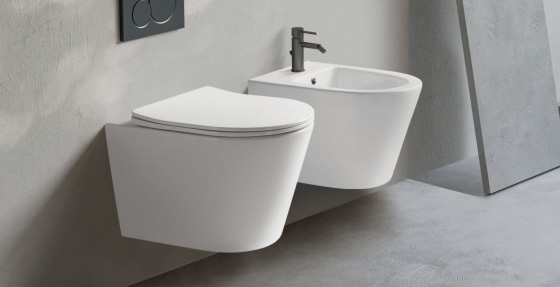
Siphonic toilets are an innovative type of plumbing fixture designed to enhance the efficiency of waste removal while minimizing water usage. Unlike traditional gravity-flush toilets, which rely solely on gravitational force to operate, siphonic toilets utilize a siphoning effect to create a more powerful flush. This mechanism not only improves the flushing performance but also reduces the amount

The fundamental principle behind siphonic toilets involves the design of the toilet trap and the bowl. When the toilet is flushed, water flows into the bowl, creating a siphoning action that pulls waste through the trap and into the drainage system. This design allows for a quicker and more efficient removal of waste compared to conventional toilets, which can sometimes leave residue and require multiple flushes.
One of the primary benefits of siphonic toilets is their water-saving capability. With many models using as little as 1.28 gallons per flush, they significantly reduce water consumption compared to traditional toilets that may use 3.5 gallons or more. This efficiency makes siphonic toilets a favorable choice for eco-conscious consumers and helps meet the growing demand for sustainable building practices.
In addition to their water-saving features, siphonic toilets offer superior noise reduction. The siphonic action minimizes noise during flushing, making them ideal for residential and commercial spaces where sound levels are a consideration. Additionally, their design often allows for a more compact form, leading to space-saving opportunities in bathrooms with limited square footage.
However, it’s important for professionals in the building and renovation industry to consider the installation requirements of siphonic toilets. Proper installation is crucial to ensure the siphoning mechanism functions correctly. This may involve specific plumbing configurations, including venting and drainage considerations, to optimize performance. It’s advisable to consult with plumbing professionals experienced with siphonic systems to guarantee proper setup.
Furthermore, while siphonic toilets are generally low-maintenance, regular inspections and maintenance are essential to avoid clogs and ensure long-lasting performance. Educating homeowners about the benefits and care for their siphonic toilets can lead to higher satisfaction and fewer plumbing issues over time.
In summary, siphonic toilets are an innovative and efficient choice for modern bathrooms, offering significant benefits in waste removal and water conservation. As professionals in the building and renovation industry, understanding the advantages and installation requirements of siphonic toilets can help you guide your clients towards making informed decisions for their bathroom projects. Embracing this technology not only meets consumer demand for efficiency but also promotes sustainable practices in the construction sector.
Related news
CONTACT US
Address: No. 4 Factory Building, South Side of Qianqian Road, Yingfeng Village, Fengtang Town, Chao 'an District, Chaozhou City
Email:BANINGSU@outlook.com
Phone/Whatsapp/Wechat:+86-13413709494
Mobile Phone Client