

-
-
Products
 Our Service
-

Understanding Siphonic Toilets: The Efficient Choice for Modern Bathrooms
Release time:
2025-09-01
Siphonic toilets represent a remarkable advancement in bathroom technology, providing an efficient and effective solution for waste removal. Unlike traditional gravity-flush toilets, siphonic toilets utilize a unique design that employs siphoning action to deliver powerful flushes while conserving water. The core mechanism of a siphonic toilet revolves around its specially designed trapway and bow

The core mechanism of a siphonic toilet revolves around its specially designed trapway and bowl shape. When the toilet is flushed, water rapidly fills the bowl, creating a siphoning effect. This occurs as the water level rises and creates a vacuum that pulls waste and water from the bowl into the drainpipe. This enhanced flushing action not only ensures thorough waste removal but also minimizes the risk of clogs, making siphonic toilets an ideal option for both residential and commercial settings.
One of the significant advantages of siphonic toilets is their water-saving capability. With increasing awareness of environmental issues, many homeowners are looking for ways to reduce their water consumption. Siphonic toilets typically use less water per flush compared to their gravity counterparts, often operating efficiently with only 1.28 gallons per flush (GPF) or even less. This not only helps in conserving water but also contributes to lower utility bills, making them a practical choice for environmentally conscious consumers.
Moreover, the design of siphonic toilets allows for a quieter operation compared to traditional toilets. The water flow is more controlled, resulting in a more subdued flushing sound, which is particularly beneficial for households or establishments that prioritize noise reduction.
Installation of siphonic toilets is generally straightforward, similar to other toilet types. However, it is essential to ensure that the plumbing system is compatible with the siphonic design. Proper installation will maximize the toilet's efficiency and performance, reducing the risk of potential plumbing issues down the line.
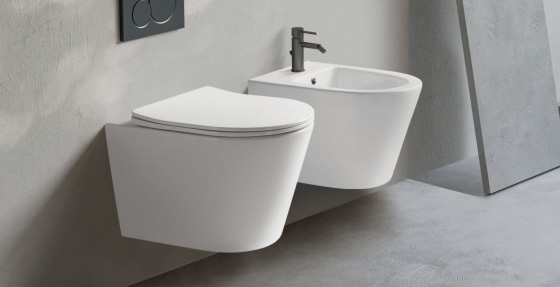
In terms of aesthetics, siphonic toilets come in a variety of designs, styles, and finishes, allowing homeowners to choose options that complement their bathroom decor. Whether opting for a sleek, contemporary look or a more traditional appearance, there's a siphonic toilet to fit every taste.
In conclusion, siphonic toilets provide a compelling combination of efficiency, water conservation, and effective waste removal, making them an excellent choice for modern bathrooms. Their innovative design and functional advantages are paving the way for a more sustainable future in bathroom fixtures. As the demand for eco-friendly solutions continues to grow, siphonic toilets are poised to become a standard in both residential and commercial environments, benefiting both users and the planet alike.
Related news
CONTACT US
Address: No. 4 Factory Building, South Side of Qianqian Road, Yingfeng Village, Fengtang Town, Chao 'an District, Chaozhou City
Email:BANINGSU@outlook.com
Phone/Whatsapp/Wechat:+86-13413709494
Mobile Phone Client