

-
-
Products
 Our Service
-

Transform Your Bathroom: The Allure of a Stone Basin
Release time:
2025-05-11
Transform Your Bathroom: The Allure of a Stone Basin Table of Contents 1. Introduction to Stone Basins 2. Benefits of Choosing a Stone Basin 3. Design Options for Stone Basins 4. Installation Process for Stone Basins 5. Maintenance Tips for Stone Basins 6. Cost Considerations for Stone Basins 7. Current Trends in Stone Basin Design 8. FAQs About Stone Basins 9.

Transform Your Bathroom: The Allure of a Stone Basin
Table of Contents
- 1. Introduction to Stone Basins
- 2. Benefits of Choosing a Stone Basin
- 3. Design Options for Stone Basins
- 4. Installation Process for Stone Basins
- 5. Maintenance Tips for Stone Basins
- 6. Cost Considerations for Stone Basins
- 7. Current Trends in Stone Basin Design
- 8. FAQs About Stone Basins
- 9. Conclusion
1. Introduction to Stone Basins
The bathroom is often one of the most overlooked spaces in a home when it comes to design. However, introducing a **stone basin** can significantly elevate the aesthetic appeal and functionality of this essential room. Stone basins blend **natural beauty** with modern design, making them a popular choice among homeowners looking to add a touch of elegance and sophistication to their bathrooms.
In this article, we will explore the various aspects of stone basins, from their benefits and design options to installation processes and maintenance tips. By the end, you will have a comprehensive understanding of how a stone basin can transform your bathroom into a stunning sanctuary.
2. Benefits of Choosing a Stone Basin
Stone basins are not just visually appealing; they also offer a variety of practical benefits. Here are some reasons why you should consider incorporating a stone basin into your bathroom.
2.1 Unique Aesthetic Appeal
One of the most significant advantages of stone basins is their unique aesthetic appeal. Each stone basin is crafted from natural materials, giving it a distinctive look that sets it apart from conventional basins. Whether you choose a sleek marble basin or a rugged granite one, the natural patterns and textures will create an eye-catching focal point in your bathroom.
2.2 Durability and Longevity
Stone is renowned for its durability. Unlike traditional ceramic or porcelain basins, stone basins can withstand daily wear and tear, making them an excellent long-term investment. With proper care, a stone basin can last for decades, retaining its beauty and functionality over time.
2.3 Eco-Friendly Choice
Choosing a stone basin is also an eco-friendly decision. Stone is a natural material that requires minimal processing, unlike synthetic materials that can be harmful to the environment. By opting for a stone basin, you reduce your carbon footprint and contribute to a more sustainable future.
2.4 Versatile Design Options
Stone basins come in a variety of shapes, sizes, and finishes, allowing you to choose a style that perfectly fits your bathroom decor. Whether you prefer a contemporary look or a more rustic feel, there is a stone basin design to match your vision.
3. Design Options for Stone Basins
When it comes to design, stone basins offer a plethora of options to suit any style preference. Here are some popular design choices to consider:
3.1 Freestanding Stone Basins
Freestanding stone basins are a statement piece in any bathroom. They can be positioned anywhere in the room, giving you flexibility in your layout. These basins often feature unique shapes and finishes, making them an eye-catching addition to your space.
3.2 Vessel Stone Basins
Vessel basins sit on top of the counter, offering a dramatic contrast to the surrounding surfaces. These basins are available in various heights and widths, allowing for a personalized fit in your bathroom design. Their elevated position also makes them easier to use, especially for those with mobility issues.
3.3 Inset Stone Basins
Inset stone basins are integrated into the countertop, creating a seamless look. This design option provides a clean and modern aesthetic, making it ideal for minimalist bathrooms. Inset basins also offer additional counter space around the sink, enhancing functionality.
3.4 Wall-Mounted Stone Basins
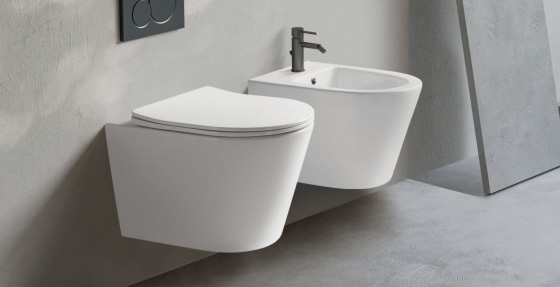
For those looking to save space, wall-mounted stone basins are an excellent option. These basins are attached directly to the wall, providing a sleek and contemporary appearance. They are particularly suitable for small bathrooms, where maximizing floor space is essential.
4. Installation Process for Stone Basins
Installing a stone basin may require professional assistance, particularly if plumbing adjustments are needed. Here is a general overview of the installation process:
4.1 Selecting the Location
Choose the ideal location for your stone basin, considering factors such as plumbing accessibility and overall aesthetics. Ensure that there is sufficient space for users to comfortably access the basin.
4.2 Preparing the Countertop
If you opt for an inset or vessel basin, your countertop will need to be prepared accordingly. This may involve cutting a hole for the basin or creating a supportive structure for freestanding models.
4.3 Plumbing Installation
Connect the plumbing to the stone basin, ensuring that all fittings are secure to prevent leaks. If you are not experienced with plumbing, hiring a professional plumber is highly recommended.
4.4 Sealing and Finishing Touches
Once the basin is installed, apply a sealant to protect the stone from stains and water damage. Finish by adding any necessary fixtures, such as faucets and drains.
5. Maintenance Tips for Stone Basins
While stone basins are durable, they do require some maintenance to keep them looking their best. Here are essential maintenance tips to follow:
5.1 Regular Cleaning
To maintain the beauty of your stone basin, clean it regularly with a mild detergent and soft cloth. Avoid harsh chemicals and abrasive materials that could damage the surface.
5.2 Sealing the Stone
Depending on the type of stone, sealing may be necessary to prevent stains and discoloration. Consult with your supplier about the recommended sealing frequency for your specific stone basin.
5.3 Immediate Spill Cleanup
Promptly clean up any spills, especially acidic substances like lemon juice or vinegar, as they can etch the stone surface. Keeping your basin dry will also help prevent water spots and mineral buildup.
5.4 Avoid Heavy Objects
Be careful not to place heavy objects on the stone basin, as this can lead to chips or cracks. Always treat your stone basin with care to ensure its longevity.
6. Cost Considerations for Stone Basins
The cost of a stone basin can vary significantly based on several factors, including the type of stone, size, and design complexity. Here are some considerations:
6.1 Material Costs
Natural stone materials can range from budget-friendly options like soapstone to premium choices like marble or onyx. Determine your budget and explore options within that range.
6.2 Installation Expenses
If you hire a professional for installation, factor in labor costs. These expenses can vary based on your location and the complexity of the installation.
6.3 Long-Term Investment
While stone basins may have a higher upfront cost compared to traditional materials, their durability and longevity make them a wise investment. Consider the long-term benefits when evaluating cost.
7. Current Trends in Stone Basin Design
Keeping up with design trends can help you choose a stone basin that complements your bathroom's overall aesthetic. Here are some current trends:
7.1 Minimalist Designs
Minimalism continues to dominate bathroom design, with simple lines and understated elegance. Stone basins that embrace this trend feature clean shapes and neutral colors, enhancing a serene atmosphere.
7.2 Unique Shapes
Gone are the days of traditional rectangular basins. Today, unique shapes—such as asymmetrical or organic forms—are becoming increasingly popular, adding character and a modern touch to bathrooms.
7.3 Bold Colors and Textures
While many homeowners opt for classic neutral tones, bold colors and textures are gaining traction. Consider striking hues or textured finishes that can create a stunning visual impact.
7.4 Integrated Technology
Innovative technology is making its way into bathroom design. Look for stone basins that incorporate smart features, such as integrated lighting or touchless faucets, for added convenience and luxury.
8. FAQs About Stone Basins
8.1 What types of stone are commonly used for basins?
Common stones used for basins include marble, granite, soapstone, and basalt, each offering unique aesthetics and characteristics.
8.2 Are stone basins easy to clean?
Yes, stone basins are generally easy to clean with mild soap and water. It’s essential to avoid harsh chemicals that can damage the surface.
8.3 How do I prevent stains on my stone basin?
Regular sealing and immediate cleanup of spills will help prevent stains from setting into the stone surface.
8.4 Can I install a stone basin myself?
While it is possible for handy individuals to install a stone basin, hiring a professional is recommended, especially for plumbing adjustments.
8.5 Are stone basins suitable for small bathrooms?
Yes, smaller models and wall-mounted designs can work beautifully in compact spaces, offering both functionality and style without overwhelming the room.
9. Conclusion
Incorporating a **stone basin** into your bathroom design can transform the space into a luxurious and elegant retreat. With their unique aesthetic appeal, durability, and eco-friendly nature, stone basins offer a myriad of benefits that make them a worthwhile investment. From freestanding models to wall-mounted options, the design possibilities are endless, allowing you to create a bathroom that reflects your personal style.
By understanding the installation process, maintenance tips, and current design trends, you can make an informed decision that enhances your bathroom's beauty and functionality. Embrace the allure of a stone basin and watch your bathroom transform into a stunning oasis.
Related news
CONTACT US
Address: No. 4 Factory Building, South Side of Qianqian Road, Yingfeng Village, Fengtang Town, Chao 'an District, Chaozhou City
Email:BANINGSU@outlook.com
Phone/Whatsapp/Wechat:+86-13413709494
Mobile Phone Client