

-
-
Products
 Our Service
-

Choosing the Right Washdown Toilet: A Comprehensive Guide to Your Perfect Bathroom Solution
Release time:
2025-02-15
When it comes to bathroom fixtures, the washdown toilet stands out for its unique flushing mechanism and efficient waste disposal. Choosing the right washdown toilet is essential for both functionality and aesthetics in your bathroom. In this article, we will provide a detailed guide that covers everything you need to know, from understanding the various features to making an informed purchasing decision.

Choosing the Right Washdown Toilet: What to Look For
Table of Contents
- Introduction to Washdown Toilets
- Understanding Washdown Toilets
- Key Features to Consider
- Types of Washdown Toilets
- Maintenance Best Practices
- Cost Analysis
- Environmental Impact
- Conclusion
- Frequently Asked Questions
Introduction to Washdown Toilets
When it comes to bathroom fixtures, the washdown toilet stands out for its unique flushing mechanism and efficient waste disposal. Choosing the right washdown toilet is essential for both functionality and aesthetics in your bathroom. In this article, we will provide a detailed guide that covers everything you need to know, from understanding the various features to making an informed purchasing decision.
Understanding Washdown Toilets
Washdown toilets, unlike their siphon or pressure-assisted counterparts, utilize gravity to facilitate the flushing process. This type of toilet is designed to use a simple water flow that directly washes waste down the bowl into the drainage system. Understanding how these toilets function will help you appreciate the benefits they offer.
Key Features to Consider
To make an informed choice, there are several key features to consider when selecting the right washdown toilet.
Flushing Mechanism
The flushing mechanism is crucial to the performance of a washdown toilet. Most models are equipped with either a single or dual flush system. The **dual flush mechanism** allows you to choose between two different flush volumes, promoting water conservation. Opt for toilets with a powerful flushing action that ensures a clean bowl and efficient waste removal.
Water Efficiency
In today’s eco-conscious world, water efficiency is paramount. Look for washdown toilets that are **EPA WaterSense certified**, as these models use significantly less water per flush. Traditional toilets use around 3.5 to 7 gallons per flush, while newer models can use as little as 1.28 gallons. Choosing a water-efficient washdown toilet helps reduce your water bill and minimizes your environmental footprint.
Design and Style
A toilet isn’t just a functional object; it’s also a design element in your bathroom. Washdown toilets come in various styles, from modern to traditional. Consider the overall aesthetic of your bathroom when selecting a design. Features such as the toilet shape (elongated vs. round) and color can impact the look and feel of your space. Ensure that the toilet complements your existing decor for a seamless integration.
Size and Installation
Before purchasing a washdown toilet, measure the space where it will be installed. Standard toilet height and bowl size can vary, so ensure the model you choose fits comfortably in your bathroom. Additionally, installation can vary depending on the plumbing configuration. Some toilets are easier to install than others, so consider hiring a professional if you are unsure about the installation process.
Types of Washdown Toilets
There are several types of washdown toilets on the market, each with unique features. Understanding these types can aid in your decision-making process.
1. One-Piece Toilets
One-piece toilets are built as a single unit, which offers a seamless design and is often easier to clean. These toilets are generally more compact, making them ideal for smaller bathrooms.
2. Two-Piece Toilets
Two-piece toilets consist of a separate tank and bowl. While they tend to be more affordable, they require more space and are a bit more challenging to clean due to the crevice between the tank and bowl.
3. Wall-Mounted Toilets
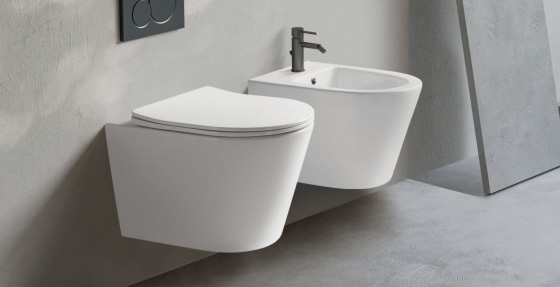
Wall-mounted washdown toilets are modern and save floor space. They allow for easy cleaning under the toilet but require additional plumbing work for installation.
Maintenance Best Practices
Maintaining your washdown toilet will ensure its longevity and efficiency. Regular cleaning with non-abrasive cleaners will help prevent mineral buildup and stains. Additionally, inspect the flushing mechanism and water connections periodically to prevent leaks or malfunctions.
Cost Analysis
The cost of washdown toilets varies based on brand, features, and design. Budget-friendly models start around $150, while high-end options can exceed $1,000. Consider your budget carefully and weigh it against the features and longevity of the toilet. Investing in a higher-quality model can save you money in maintenance and water costs over time.
Environmental Impact
Opting for a water-efficient washdown toilet not only benefits your wallet but also the environment. Reducing water usage is critical in conserving one of our planet's most essential resources. By choosing an eco-friendly model, you're contributing to sustainability efforts and promoting responsible water use.
Conclusion
Choosing the right washdown toilet involves careful consideration of various factors, including flushing mechanisms, water efficiency, design, size, and cost. By understanding these elements and aligning them with your personal needs and style, you can select a toilet that enhances your bathroom experience while also being environmentally friendly. Remember to prioritize maintenance and proper installation to ensure your washdown toilet performs well for years to come.
Frequently Asked Questions
1. What is the difference between a washdown toilet and a siphonic toilet?
Washdown toilets use gravity to flush waste directly into the drain, while siphonic toilets rely on a siphoning action that creates a vacuum to remove waste.
2. Are washdown toilets more water-efficient than traditional toilets?
Yes, most washdown toilets are designed to use less water per flush, especially models that are EPA WaterSense certified.
3. How often should I clean my washdown toilet?
It is recommended to clean your washdown toilet at least once a week to prevent stains and buildup.
4. Can I install a washdown toilet myself?
If you are familiar with plumbing work, you can attempt installation. However, hiring a professional is advisable to ensure proper setup and avoid future issues.
5. What features should I look for in a washdown toilet?
Key features to consider include the flushing mechanism, water efficiency, design, size, and ease of maintenance.
This detailed guide serves as a comprehensive resource for selecting the perfect washdown toilet, ensuring you make an informed and satisfying choice for your bathroom.
Related news
CONTACT US
Address: No. 4 Factory Building, South Side of Qianqian Road, Yingfeng Village, Fengtang Town, Chao 'an District, Chaozhou City
Email:BANINGSU@outlook.com
Phone/Whatsapp/Wechat:+86-13413709494
Mobile Phone Client